
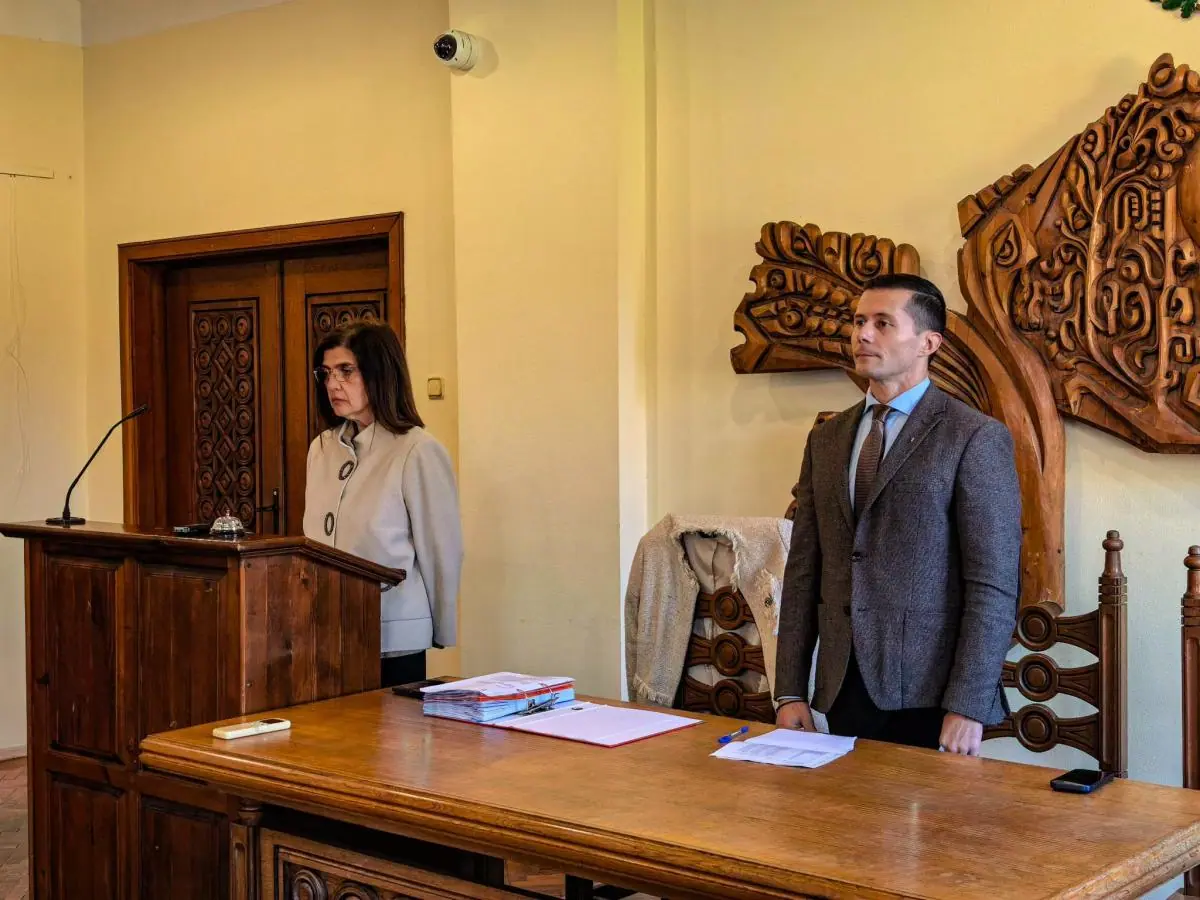
Aytos council will vote on whether to give up to €11,100 of town money to Avicena, the town's closed pharmacy, to pay tax debts and the costs of winding it up. A report by council chairman Krasimir Enchev shows this. Mayor Vasil Edrev is against it.
The company's manager, Dimitrina Kirisheva, first asked for €20,000 on 3 November. Three days later she cut the request to the current sum. Papers attached to the report say the money would pay VAT, income tax and social security contributions. It would also cover state fees, accounting, processing and sending documents to the National Social Security Institute, and the liquidator's pay.
The pharmacy had worked for almost three decades. The council voted to close it on 30 September, citing money problems, built-up debts and trouble finding funds to keep it running.
Enchev proposes two draft decisions that would let the town and the company settle their ties in line with the law. The first is to refuse town funding. The second is an interest-free extra cash payment of up to the same sum. The company would repay it within 12 months, or when the winding-up ends, if it has money by then.
If councillors pick the second option, the money would be paid in parts, not all at once. For each payment, the town would ask for tax agency certificates or papers showing real costs. Other terms are reporting and prior checks. Sums for public debts must reach the tax agency within three working days of receipt.
Lawyer Svetla Kamenova has been asked to write a legal review of the two options, covering the legal requirements and the consequences of each.
The report has no full, up-to-date balance sheet of the company's assets and debts, so its final financial state is not clear.
Mayor Edrev sent two written opinions, on 6 and 10 November. In both he opposes new money from the town budget. He says extra budget funds are not a suitable option. If the company's own funds fall short, he says, the council should consider whether there are grounds for insolvency proceedings. In his legal arguments, he says that when a company lacks enough assets and cash to pay its debts, insolvency proceedings are considered under the Commerce Act.


Comments (0)
No comments yet.