
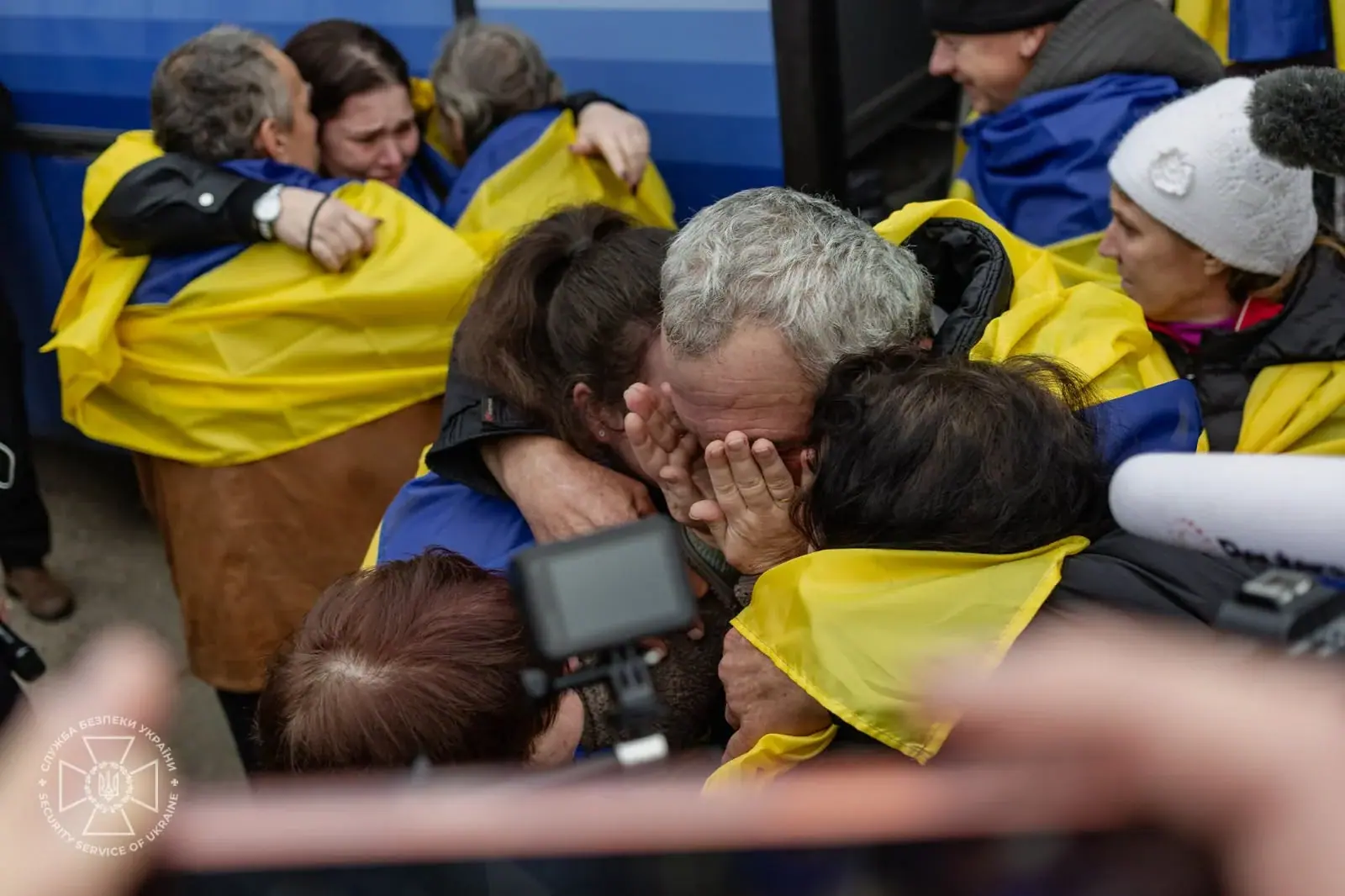
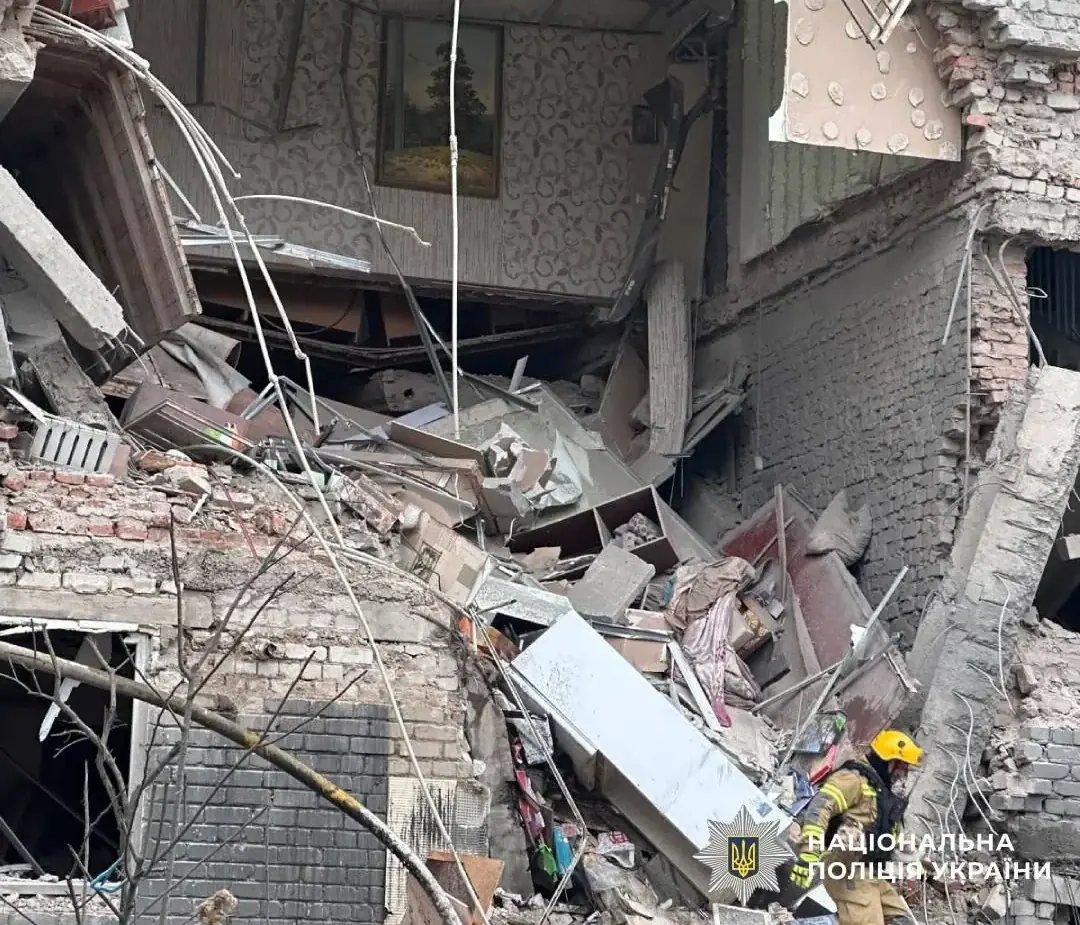
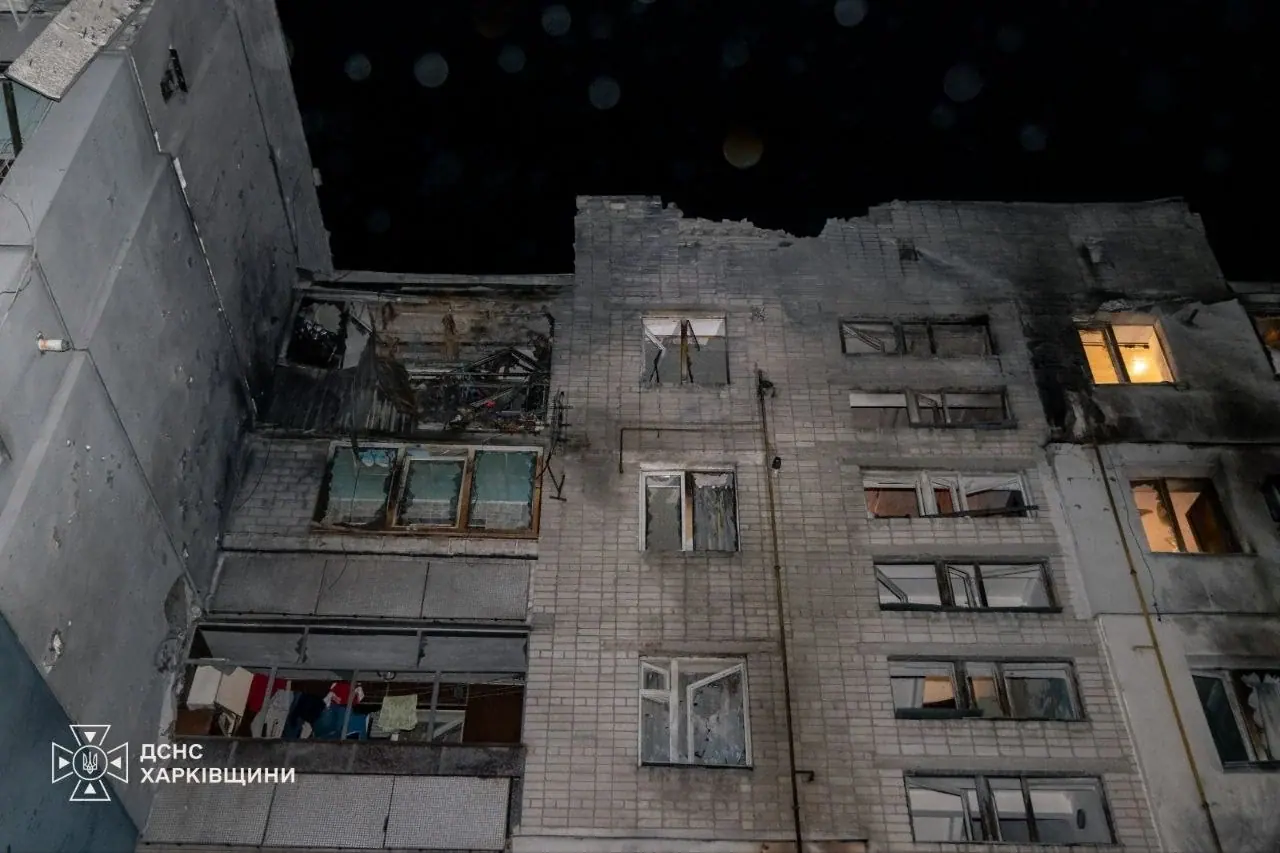
A Russian drone hit a medical facility in central Kherson at about 07:40 Kyiv time today, 2 November, the morning after the truce ended, said Yaroslav Shanko, head of the Kherson city military administration. Early reports say no one was hurt.
The strike damaged several rooms and blew out windows and interior doors. "It is no longer quiet in Kherson. The ceasefire introduced for the humanitarian mission in Oleshky is over," Shanko said a few hours after the attack.
The short local truce ran from 03:00 on 27 October to 22:59 on 1 November, Kyiv time. It was meant to get aid to residents of Oleshky, on the occupied left bank of the Kherson region.
The General Staff of Ukraine's armed forces said in a report that Russian troops used the pause to build up their forces. It said they rotated units, strengthened positions, extended anti-drone cover over roads and increased deliveries, including ammunition. Shanko also said the occupiers on the left bank used the truce to dig in and bring in equipment, ammunition and troops.
The first signs came on 29-30 October. On 30 October, Maksym Kravchuk, spokesman for the South group of forces, said the Russians were rotating units on forward positions, rebuilding fortifications, developing their communications and supplying their units. He noted more ammunition and other materiel arriving, troop movements, and wounded and the bodies of the dead being taken out.
On 31 October, Kravchuk added that the Russians were putting up anti-drone cover over roads. He said Ukrainian units had spotted Russian reconnaissance drones flying over and dropping explosive charges. The enemy is trying to blame Ukraine's Defence Forces for breaking the agreement, while Ukraine continues to keep the quiet in the humanitarian mission zone, Kravchuk said.
Serviceman Stanislav Bunyatov, who goes by the call sign "Osman", wrote in a post that the Russians are building fortifications, covering roads with netting and bringing in people, ammunition and supplies. A volunteer originally from Oleshky said on 29 October that residents were telling her of many Russian soldiers looking for empty houses to move into.
Lt Col Dmytro Pulynets, commander of the 34th Separate Marine Brigade "Borysfen", said the Russians could not use these routes so freely before the ceasefire. He said the enemy had rebuilt its artillery and positions it had lost earlier, rotated units and restocked fuel. Pulynets stressed the importance of evacuating civilians and warned that the brigade will have extra combat tasks after the pause.
Yevhen Voronetskyi, head of the brigade's communications department, said it would be strange if the enemy had not taken advantage. He said troops and various equipment, including drones and heavy equipment, were brought in. Voronetskyi claimed that cars with white flags drove in as escorts, with equipment already hitched to them, and were loaded with weapons and ammunition.
Marines spokesman Pavlo Drohal confirmed on 1 November that Russia was moving supplies, strengthening positions and resupplying units. He also reported explosive charges dropped by Russian drones on Ukrainian positions, but said the units had no losses.
Comments (0)
No comments yet.