
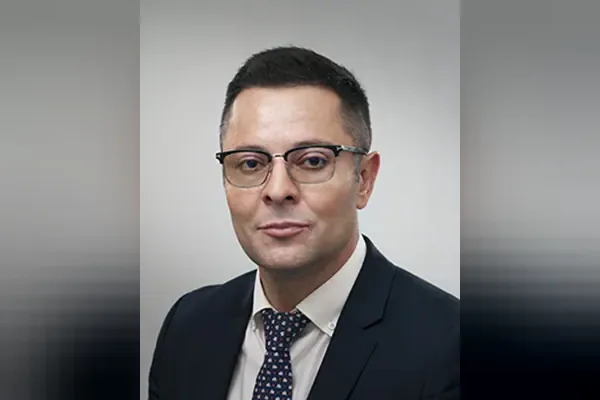
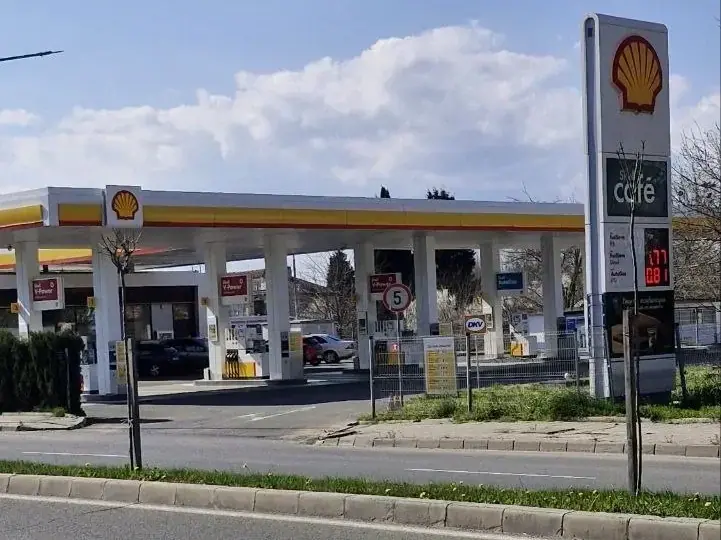
"Right now — and these are the facts — we have the lowest fuel prices in the European Union. So why aren't I smiling about it with you? Because it's only half a victory," deputy prime minister and economy minister Alexander Pulev told Bulgarian National Television's "Still on the day" programme. He said Bulgaria enters the crisis with the lowest incomes and lowest buying power in the EU — the reason for his caveat.
Pulev said he expects the International Monetary Fund's mission to Bulgaria to reach a "constructive and balanced view". Bulgaria's European partners know about the country's "heavy legacy", he said, and are carrying out the usual financial checks. "But right now they see a golden window of opportunity, with a reform-minded, active government and a full majority in parliament," he added.
Pulev said Bulgaria is now in a strong position with Europe's leadership and the heads of the EU's main agencies. The goal, he said, is for the country to sit at the centre of the EU's economic and financial policy, not on the edge of it.
Pulev said it is rare for a Bulgarian prime minister to be named in a speech by the European Commission president. He called it a clear political show of support, noting the prime minister was the only leader named among the others. Pulev has himself joined the prime minister at several meetings in Europe.
The government's job, Pulev said, is to find local answers to global problems. World industry is being battered by geopolitical shocks, he said, and the surge in prices is global and beyond anyone's control.
The government is helping both households and industries that are key to the economy, Pulev said. When those industries run inefficiently, that alone pushes prices up, creating a "vicious circle", he explained. The cabinet has already passed social and other steps to help the people who need it most.
Pulev denied the refinery is running at a loss. The plant works on a very low profit margin, he said.
Citing the Commission for Protection of Competition, Pulev said the previous special trade representative, Rumen Spetsov, had squeezed prices so hard it pushed Lukoil's operations into a serious cash crisis.
Pulev believes that kind of policy could not last and was pursued deliberately to sound populist and trap the next special trade representative. He said Spetsov's pricing could never have held for more than two or three months, and the aim was "to put on some pseudo-social policy show for two months".
Pulev said the current special trade representative, Evgeni Simeonov, is socially minded but works "in a smart way" without putting the refinery's finances at risk. For Simeonov, what matters more is keeping the plant running and out of bankruptcy.
Pulev thanked the government for acting in time and thanked the special trade representative for the low fuel prices. He also used the interview to take political jabs at Boyko Borissov, his past governments and the parties in the so-called "assembly" coalition.
Comments (0)
Все още няма коментари.