

The Konstantin Fotinov Vocational High School of Electrical Engineering and Electronics in Burgas has launched a campaign called "Let's do 60 good deeds", in which every class volunteers for at least one charity or community project, school director Pavlina Mihaylova-Gradishka said. The campaign is part of preparations for 2027, when the school marks 60 years of vocational education.
Flowers and wreaths will be laid at the monument to Konstantin Fotinov on Friday, 27 November, to honour the school's patron.
Students, teachers and parents are taking part. They have already given books to the Peyo K. Yavorov Regional Library and put up a birdhouse as part of an environmental project. Next, they plan to visit social care homes, give blood, clean up public places and join other charity work. "A simple gesture towards someone can be a kindness that changes even a person's life," the director told Bulgarian National Radio (BNR).
Mihaylova-Gradishka says the school wants to show that people should be kind every day. She added that the campaign has drawn interest from outside the school, with people offering ideas and support.
A series of interviews called "The Voice of Fotinov" is also part of the anniversary. The guests will be well-known former students, former directors and teachers, people linked to the school over the years, and members of the guards unit. The aim is to keep alive the memory of people who contributed to the school, and to link the generations. The director believes the story of each generation should be told and remembered.
The school traces its roots to the Fotinov school, opened in Burgas in 1879–1880. Mihaylova-Gradishka says the school is older than 60 years, but the key change came in 1967, when the Second Polytechnic High School became a secondary vocational-technical school of electrical engineering. The 2027 anniversary counts from that date. Today students train in traditional electrical engineering subjects, computer systems, programming, electronics and cybersecurity.
In 2017 the school became a training centre for the national "IT Skills and Career" programme. In 2026 it opened a STEM centre.
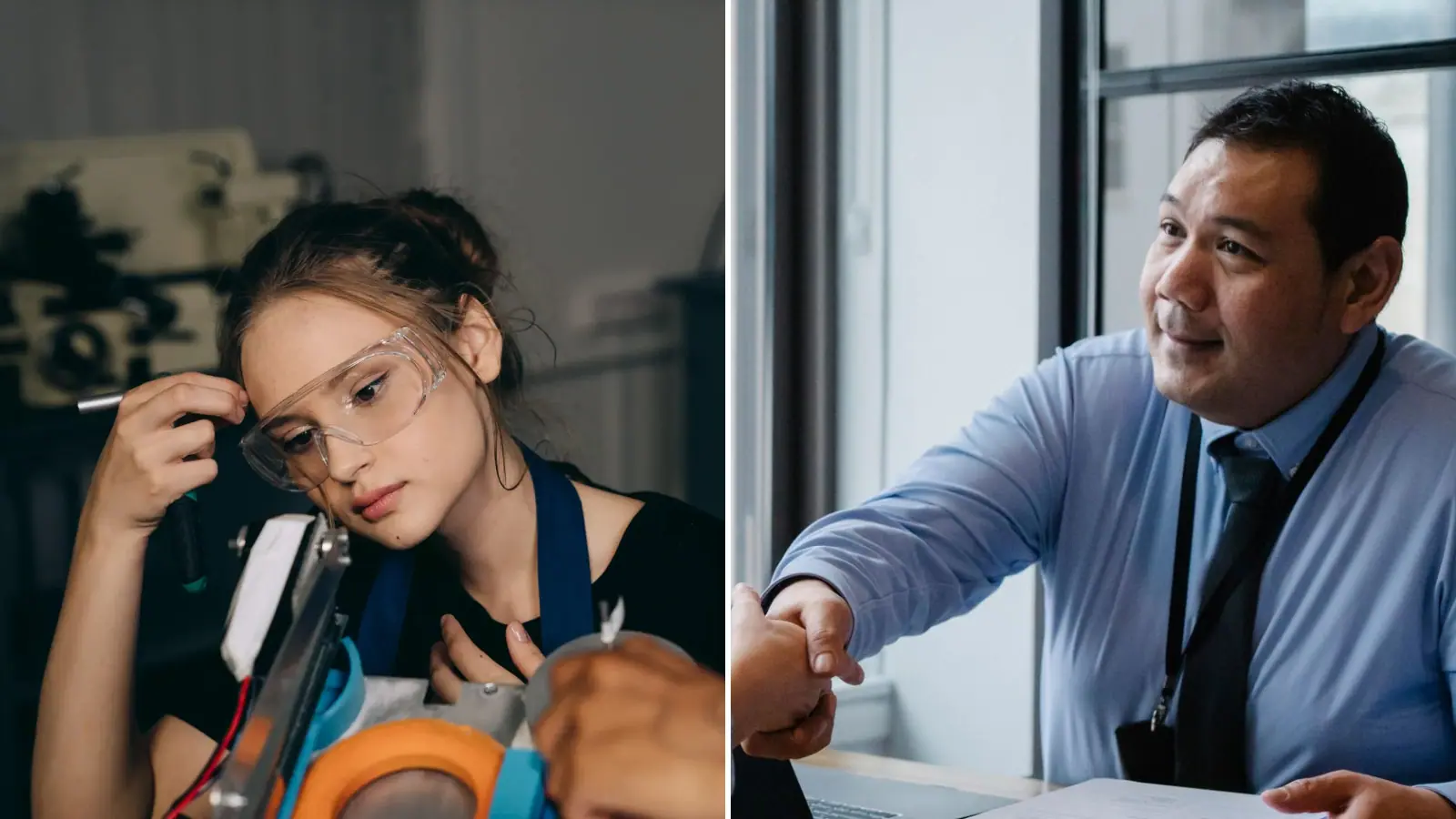
The director says one big challenge for vocational education is the need to keep updating knowledge. A single set of skills once lasted a whole career, but now it does not. She believes students need to learn to work in a team and adapt to change, as well as work with equipment. "Our task is not just to train students on a particular piece of equipment or technology, but to teach them to think, analyse and solve problems," Mihaylova-Gradishka told BNR.
The school works with firms that take students for work placements in a real setting, so they can use what they have learned and feel more confident when they start work. The director says the school will expand these partnerships, improve its facilities and update its vocational training.
Mihaylova-Gradishka also said the school's success is measured mostly by its graduates, not just by its facilities. They include engineers, programmers, technicians and people in the arts, and four former students now teach at the school.



Comments (0)
No comments yet.