
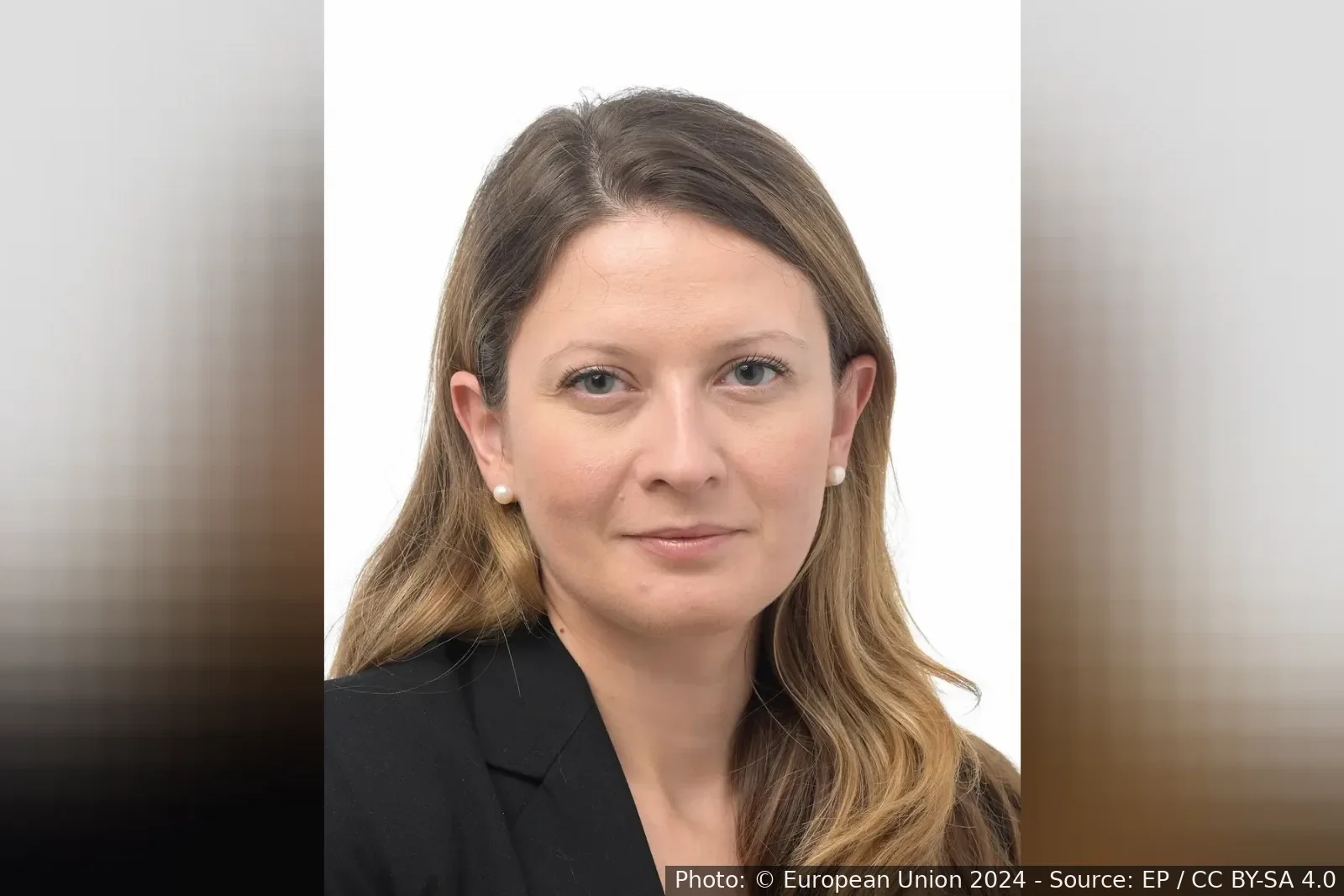
Bulgaria is a leader and an example for the EU in building battery storage systems, but weak links between its grid and the rest of the bloc stop power from getting cheaper for business, MEP Tsvetelina Penkova said on BNT's "The Day Begins" programme.
Penkova is an MEP from the Socialists and Democrats group and vice-chair of the European Parliament's energy committee. She is now negotiating the regulation on electricity transmission grids, which sets the EU rules for the links that carry power from one country to another.
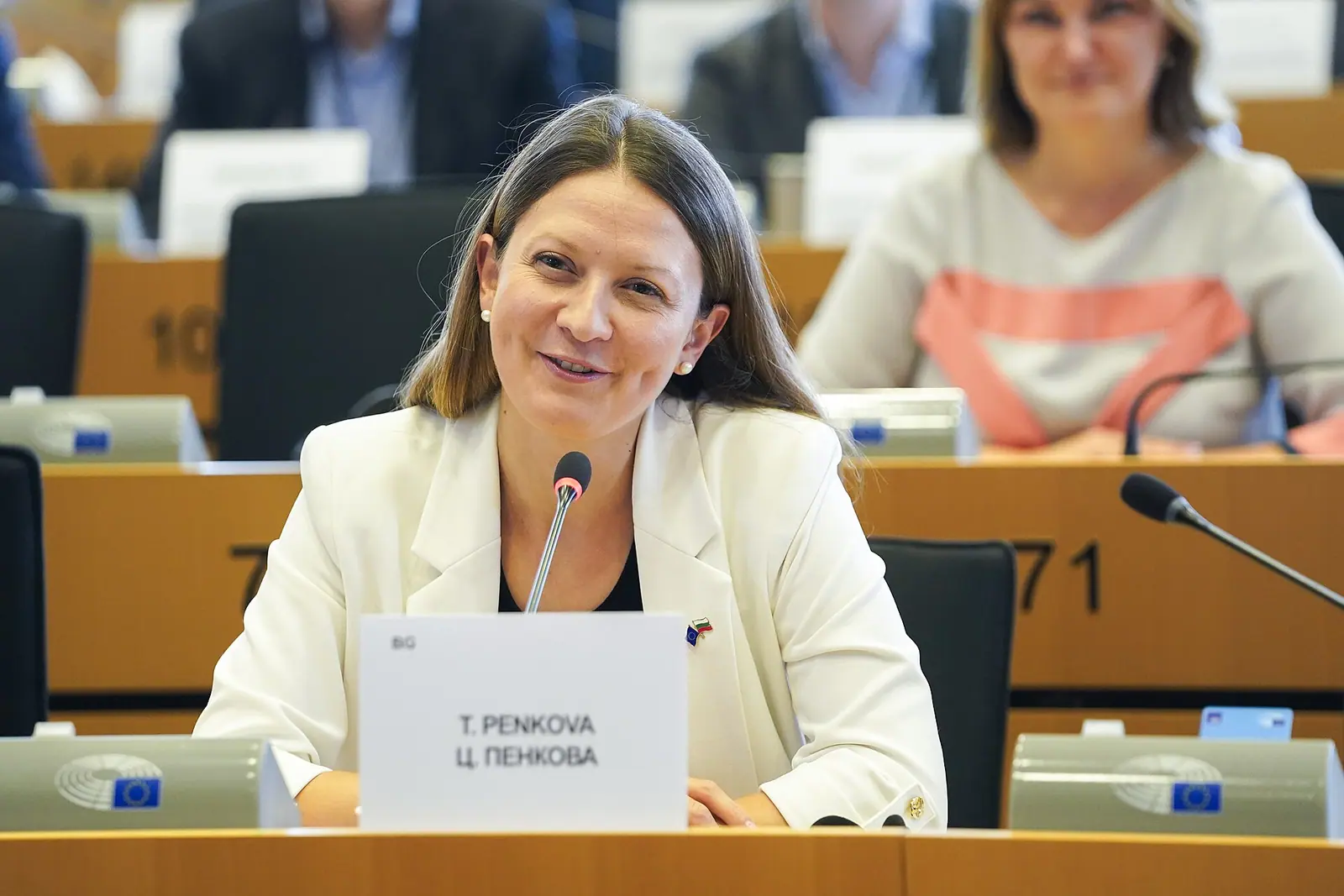
A conference in the European Parliament 10 days ago, which Penkova organised with colleagues, named Bulgaria a leader and an example for all of Europe on batteries. She said international experts were surprised by what Bulgaria achieved in such a short time. She put the success down to the rules the state drew up with the energy system operator, and to an industry that made active use of them.
Penkova said Bulgaria kept the region's power system stable over the summer, and its neighbours thanked it and noted its role at a hard time. "We literally saved our neighbours when some of the nuclear plants were shut down because of low water levels in the Danube, including the plant in Romania," she said. The Romanian plant was stopped because the river was low, and its second reactor restarted only two weeks ago.
The MEP said the result comes from a balanced energy mix: nuclear power as base load, renewables, energy storage and the links between Bulgaria, Greece and Romania. "But we are an isolated energy island – these three countries – and we still have no link to the rest of the European Union," Penkova said.
Without such a link, cheap power from one part of the EU does not reach everyone, and prices differ widely between countries, she explained. Summer is easier for the region because solar plants supply a large share of power. In winter, that effect is weaker.
Grid bottlenecks in Hungary and Austria have existed for 20 years. Penkova believes the new regulation should remove them, and both countries should allow links with the Bulgarian grid. That way, she said, power prices would be lower all year, not only in summer.
On possible financial aid for Ukraine, the MEP said the government's position matches that of citizens: yes to aid, but not for military purposes when the money comes from Bulgaria's share. Bulgaria stands with its European partners, but it consistently insists the conflict be settled by diplomacy.
Penkova said the structure of the EU budget is changing. Instead of funding periods in which municipalities apply with projects, there will be national and regional partnership plans, modelled on the national recovery plans. She said that in Bulgaria those were "notorious", but in the end they proved successful. This kind of centralisation worries the MEP when it comes to countries like Bulgaria, because decisions will go first through the national level and then the EU level.
Penkova named cohesion policy as Bulgaria's priority in the next budget. In her view it is the only way for regions to develop and for living standards in the EU and in Bulgaria to move closer together. It is not only Central and Eastern Europe that rely on this money, she noted – Germany is also among its big users.

Comments (0)
No comments yet.