
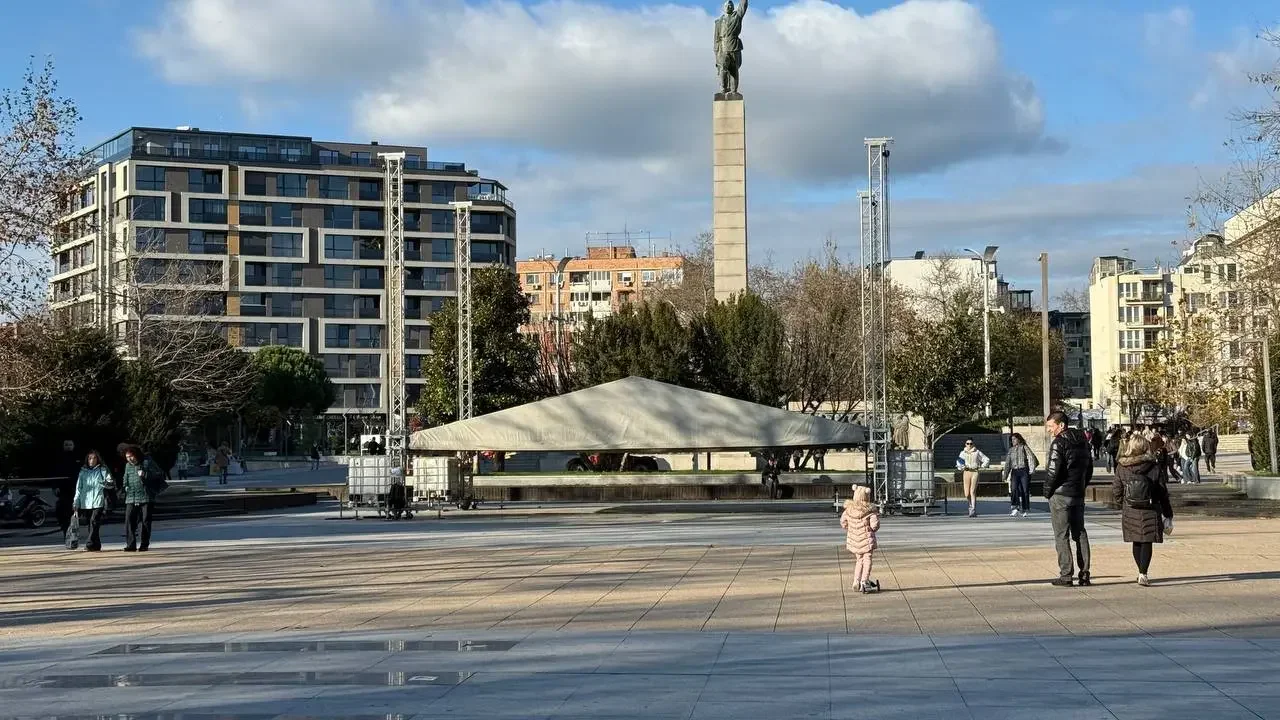
A clear division is emerging in the Bulgarian housing market: on one side stand modern new complexes with energy-efficient facades and underground garages, and on the other – panel and brick buildings from the 70s, 80s, and 90s, often located in better-established neighborhoods. The question "new or old construction?" is increasingly deciding not just the interior, but the entire budget, quality of life, and resale prospects.
In recent years, the prices of newly built homes have grown faster than those of the old housing stock, and the demand for new construction is stable – especially in large cities. At the same time, statistics on actual transactions show that the majority of purchases are still in "old" homes. This creates a paradox – the new sets the direction for the market, but the old remains its backbone.
Where prices are rising faster
The dynamics during 2023–2025 show that it is new construction that is leading the growth. A number of analyses report that the prices of newly built homes are increasing by clear double-digit percentages on an annual basis, while the pace of appreciation for the old stock is lower. This confirms the trend of new projects "pulling up" average levels, especially in Sofia, Varna, Plovdiv, and Burgas.
At the end of 2025, the overall growth of housing prices in Bulgaria remains above the EU average, with the country ranking among the markets with the most dynamic price increases. Expert analysis emphasizes a "clear distinction between quality new buildings and aging housing stock" – it is in new projects that prices reach and surpass the highest levels for the respective cities, while old construction in the same neighborhoods remains noticeably cheaper.
The fact that the growth rate of new construction is higher does not mean that old homes are "lagging" completely. In well-positioned neighborhoods with developed infrastructure and limited supply, prices for the old stock are also rising, albeit more moderately, as the location compensates for some of the technical disadvantages.
Share of transactions: we buy more "old", but pay more for "new"
Although new buildings are in the spotlight, real transactions show that the old stock continues to dominate in terms of numbers. In recent years, approximately two-thirds of apartment transactions were in existing buildings, and about one-third – in new construction. That is, nearly three out of every four apartments sold in a typical year are in the old housing stock.
The picture changes when we look at the value of transactions. Approximate estimates show that despite the smaller number of deals, new construction accounts for a disproportionately large share of the total monetary value of the market. The average transaction price for new buildings is significantly higher, reflecting both more expensive square meters and larger mortgage loans.
In practice, purchases of new construction are fewer in number but more expensive. The old stock provides volume and liquidity – especially in well-developed neighborhoods – while new projects concentrate higher budgets and long-term financial commitments.
Prices and differences: new vs. old in numbers
Comparisons between new and old construction in large cities show a persistent price stratification. In Sofia, new apartments in the mass segment often start from levels significantly above those in old brick and panel buildings in the same or similar districts. In popular neighborhoods, new construction reaches and surpasses average prices that old buildings rarely reach, unless they offer an exceptionally good location or have already been renovated.
In Plovdiv, Varna, and Burgas, the picture is similar, albeit with lower absolute values: new complexes, especially in developing areas or near key infrastructure projects, command a premium over the old stock. In smaller towns, the price difference between new and old construction is smaller, but as a percentage, it often remains noticeable and influences buyer decisions.
For households, this means that the "new vs. old" choice is not just aesthetic, but also strategic: for the same budget, one can buy a larger property or a better location in the old stock, while new construction offers less area, but a more contemporary standard and lower maintenance costs.
Quality, energy efficiency, and "green" features
One of the key differences between new and old construction is energy efficiency. New buildings are as a rule designed with better thermal insulation, modern joinery, more efficient heating and cooling systems, and often with formal energy efficiency certificates. This lowers energy and maintenance bills and is becoming an increasingly important criterion for buyers against the backdrop of high price levels and European climate policies.
The old housing stock – especially panel blocks without major renovation – lags behind in this regard. Many owners face high heating costs, dampness, poor sound insulation, and depreciated common areas. Energy renovation programs partially mitigate the problem but are far from covering the entire stock. As a result, new construction is often perceived as "greener" and more sustainable in the long term, which justifies the higher price in the eyes of buyers.
In the higher segment, complexes with distinct "green" features are appearing – photovoltaics, rainwater systems, electric vehicle charging stations, and landscaped common areas. This attracts a younger and more demanding urban population that views a home not just as square meters, but as a complete ecosystem for living.
Buyer preferences: security of location vs. security of construction
When looking at buyer preferences, two main profiles emerge. The first seeks "new, modern, energy-efficient" – often young families or people with higher incomes who invest a significant percentage of their budget in a home with guaranteed quality, a parking space, and a well-organized environment. For them, the advantages are clean common areas, new installations, and the lack of need for immediate repairs.
The second profile prefers "old but secure" – established neighborhoods with built-up infrastructure, schools, transport, and green spaces, where new construction is less common or unaffordable. These are often families who want more space for the same money, or people who view the purchase as a flexible investment – a property that can easily be rented out or resold.
Between these two groups stands a significant number of buyers willing to compromise – for example, to choose an older property that has already been renovated, or a newer one in a peripheral area that is yet to be developed. It is precisely these compromises that often determine price dynamics in specific neighborhoods.
What to expect in 2026
In 2026, the housing market in Bulgaria will likely move at a more moderate pace compared to previous years, but the division between new and old construction will remain distinct. Overall price growth is expected to slow down compared to the peaks of 2023–2024, with base projections being for average annual appreciation in the range of a few percent, with higher values seen specifically in new construction in the most sought-after cities and neighborhoods.
New projects with good "green" characteristics, quality execution, and a convenient location will likely maintain their price advantage and remain the center of interest, even among more cautious buyers. At the same time, the old stock will continue to provide the majority of actual homes acquired, especially for households with limited budgets and those who prioritize location over the newest standard.
It is possible that in 2026, the "filtering" within the two categories will deepen. In new construction, projects weaker in quality or location will face stronger pressure for discounts and promotions, while the best ones will maintain their positions. In the old stock, properties in poor technical condition or in undeveloped areas may face difficulties in selling, while well-maintained and renovated homes will remain in demand.
You may also like
 Bulgaria records third-highest retail trade growth in the EU for June
 Economic breakthrough: Bulgaria's share of EU GDP has doubled in 18 years
 EWRC introduces new incentives for consolidation in the water and sanitation sector: What is changing?
 Bulgaria receives €1 billion under the Recovery Plan: Where is the money going?
For buyers, 2026 will be a year in which the slogan "new is always better" will be replaced by a more complex calculation: "what exactly am I getting for my money", "what are the long-term costs" and "how sustainable is this choice" – whether it is a new or an old building.
Коментари (51)
D87341
07.05.2026, 10:19Абе, хара, к'во да кажа... пак ни готвят някакви промени. Нови сгради, стари сгради - все тая, накрая ще плащаме ние, а? Честно казано, не съм изненадан, че новото поскъпва – нормално е, като гледам какви "луксове" строят. Ама и старите панелки си имат чар...
heyfwj848
07.05.2026, 10:22Абе, D87341 прав си напълно! Където и да се обърнеш - все тая к'во строят, накрая джоба ни ще го осекат. Тия "луксове" са за другите, а ние да си гледаме панелките, ама и те поскъпват значително!
sqrgy767
07.05.2026, 10:22Абе, наистина ли ще има "по-умерен" ръст? Ама наистина ли някой вярва на тези прогнози? Всеки 🤬
pesho354@mail
07.05.2026, 10:25пълни глупости! какъв "умерен ръст" бе, хора? сериозно ли слушате тия прогнози?! всеки ден цените скачат все по-нагоре и нищо не спира това безумие. аз лично съм на мнение, че тези "експерти" просто си измислят циф 🙄
Лош_Човек
07.05.2026, 10:27Абе, sqrgy767, твоето съмнение е напълно оправдано. "По-умерен ръст" – чувал съм го и преди. Ама наистина ли някога са се случвали такива неща в България? Не казвам, че
Пено
07.05.2026, 11:01Абе хора, да ви кажа, тая новина ме накара да се замисля яко. Наистина ли ще има някаква "умеренност" през 2026-а? Дано! Честно казано, с тия цени на имотите вече става малко абсурдно. Все едно си играем на рулетка дали ще можем да си позволим нещо нормално
Petar24
07.05.2026, 11:03Ами... "умерен ръст"... Да видим дали наистина ще има.
Дико
07.05.2026, 11:04Абе Пено, брато, много си прав! И аз съм яко на ръба с тия цени. 2026-а? Ама хайде да не се надяваме само на "умереност", а да видим някаква реална промяна! Честно казано, к'ви са тези нови строителства – бетонни кутии без душа и въздух?! Защо не си гледат европейските колеги как правят хубави сгради, в хармония с природата? Ама нали е по-лесно да налеем бетон и да го продадем на някой, който иска да се до
Vasil30
07.05.2026, 11:23Абе, сериозно ли сега?! 2026 година, да видим дали наистина ще има "по-ясно разграничение по качество". Не че съм песимист, но все пак... как може да очакваме нещо разумно в тая държава, като постоянно правим компромиси с качеството и строителните норми? И тези "зелени" характеристики... ще ни ги пробу
74B5D8CA
07.05.2026, 11:25Абе, хора, спокойно малко! Аз съм оптимист – 😡
Честит_Бургазлия
07.05.2026, 11:27Абе, Василе, бате, к'во значи "да видим дали ще има разграничение по качество"? Ти сериозно ли питаш?! Виж какво строят тия "инвеститори", нали?! Бетонни кутии без никаква душа и с прозорчета колкото за мишка! И после - "зелени характеристики"... ха-ха! Ще ни пробутат някакви панели, дето ги лепят отгоре, за да си вземат субсидиите и готово.
Нинов
07.05.2026, 11:28Ей хора, здравейте! Четох новината и... интересно ми се стори. Наистина ли ще видим по-голяма яснота в разликата между новите и старите сгради през 2026? Дали наистина ще ни впечатлят "зелените" характеристики или пак ще стане като с другите обещания, а? Малко ме съмнява дали ще има значителна промяна, честно казано. Все пак се надявам да не е само пра
maria458@eu
07.05.2026, 11:32ябе, нинов, здравей! съгласен съм с теб напълно - звучи малко наивно това за 2026-та година, да си го кажем прямо. но аз ще попитам нещо друго – **дали изобщо имаме механизми да гарантираме, че тези "зелени" характеристики не са просто фасада и маркетингов трик?** честно казано, след като видях какви "качествени" сгради строят напоследък в бг, и то уж със западни инвестиции, започвам да се съмнявам дали има
hqod986
07.05.2026, 12:12ебати... 2026? да видим дали наистина ще има някаква промяна, а не само пра
Мишко
07.05.2026, 12:14АБЕ 2026? Аз до тогава може и да съм се преместил на село... или 💩
Dimi21
07.05.2026, 12:15Абе дааа, 2026... Да видим дали ще има нещо реално или
fan83@abv
07.05.2026, 12:20Абе хора, к'ви 2026-тички бе?! Сериозно ли? Като гледам как се строи в момента... едно бетонно чудовище накуп, без прозорец да го видиш нормален, а после ще ни говорят за "устойчивост" и "зелено". 😂
nhisx743
07.05.2026, 12:22Абе, наистина... 2026-та? 😂 То до тогава ще
ultra_tiger221
07.05.2026, 12:25ей, fan83@abv, напълно те разбирам за смеха! наистина, гледам тия новостройки и си мисля – к'ви "зелени" характеристики ще има тая бетона? да не им е зелено от парите, дето ни вземат!
Лош_Граждан
07.05.2026, 12:34Абе, 2026 ли? Сериозно сега?! Какво става с цените на старата тухла, бе хора? Ще може ли някой да си позволи нещо изобщо след време, или само богатите ще живеят
Луд_Патриот
07.05.2026, 12:36Абе, стигя де! 2026?! Да видим дали въ
Мислав
07.05.2026, 12:38Абе, пичове... 2026? Това като да са казвали за еврото преди 30 години 😂 Да видим дали наистина ще стане нещо, че май само
Дичев
07.05.2026, 12:41Мислав, брат, напълно прав си! 2026... хахаха, все едно гледам стар филм за "бързия преход". Тея прогнози са като пукане на балончета – красиво е докато трае, ама после - нищо. Винаги има някой дето ще каже: “О, вижте, вижте, модерно!”, ама реал
fmpcffh711
07.05.2026, 12:42абе 2026 наистина ли? 🤯 ще поевтинее ли
AC44A7
07.05.2026, 12:45Абе, fmpcffh711, 2026?! Да видим дотогава дали ще имаме изобщо държава! 😂 Хаха, сериозно, к'во значи "ще поевтинее"? Надявам се де, честно. Че последно време само цените растат, а заплатите - не
ysive821
07.05.2026, 12:58Ама 2026?! Да видим дали наистина нещо ще се промени... че
ultra_wolf
07.05.2026, 13:01абе, 2026 ли казвате? хмм... какво значи това на практика, бе хора? ще се оправи ли нещо наистина или пак ще ни излъжат с някакви "експертни" прогнози? пък и какво значи "по-ясно разграничение по качество"? значи, като не можеш да си позволиш ново строителство, трябва да
Пенов
07.05.2026, 13:04Абе, 2026... наистина ли някой знае какво ще стане тогава? Все пак строителството е много променлива работа, нали? Дано поне "по-ясното разграничение" означава, че и за хората с
Рашко
07.05.2026, 14:21Аааа, 2026?! 😅 Тц тц... пак някакви дати. Интересно как цените ще се държат... важното е да има развитие, нали? Да видим дали наистина нещо ще
Млад_Реалист
07.05.2026, 14:26Рашко, прав си за датите - винаги е малко съмнително кол
fzcqq640
07.05.2026, 14:26Рашко, 2026 ли? 😂 Наистина ли вярваш на тия дати?! Абе, сериозно ли чакаме до
Ivan14
07.05.2026, 14:23Абе, сериозно ли сега? 2026?! Тц, тц... да видим дали пък този път ще уцелят прогнозата, а? Все пак помним как ни обещаваха чудеса с жълтите павета и магистралите. И какво значи "по-ясно разграничение по качество"? Че ако си бедняк, трябва да живееш в панелка с мухъл и да се радваш, че има покрив над главата?
0FC121
07.05.2026, 14:25Абе, Иван14, съгласен съм напълно с теб! 2026?! Да видим дали въобще до тогава ще имаме пари да си гледаме котките, камо ли да купуваме апартаменти! 😂
Минов
07.05.2026, 14:25Абе, Иван, к'во говориш бе човек? 2026 ли?! Да видим дали ще имаме изобщо България до тогава, да говорим за апартаменти! Сериозно, тия "експерти" си играят на прогно
Dimi28
07.05.2026, 14:26Ебати Ivan14, брат! Напълно те разбирам! 2026... хахаха, все едно да кажат, че ще летим до Марс със самолет след година. Аман от тия прогнози! И аз помня жълтите павета, помня магистралите "по европейски стандарт", които бяха пълен цирк
Yordan35
07.05.2026, 15:33Абе хора, к'во става тука? 2026 ли? Сериозно ли някой вярва на такива прогнози? Все пак помним как се хвалеха с "европейския стандарт" и какво стана после – дупки по пътищата, сгради, които рухват...
73256BDB1C
07.05.2026, 15:35абе yordan35, разбирам напълно твоя скептицизъм. наистина, последните години показаха, че прогнозите в българия са... хмм, да кажем, доста "гъвкави". и правилно си отбелязал за "европейския стандарт" – звучи яко, ама после се оказва, че е само на хартия.
rhfsiz413
07.05.2026, 15:49Ебасе, 2026?! Бах мамата! И тея ли с дати играят... Аз съм си свикнал да им вярвам колкото на прогнозата за времето – т.е., нищо. 😂
2974068ECE
07.05.2026, 17:11Абе хора, хахха! 2026 ли? Че то догодина може и аз да си купя апартамент, ако спра да ям банички... 😂 Сериозно де, тия прогнози са все едно да гледаш сериала "Стъклен дом" - започва добре, ама накрая... квото искат т'ва правят.
Гемир
07.05.2026, 18:022026 ли? Сериозно ли го казват?! Какво значи това за хората с пари в момента, а?
ivan32@mail
07.05.2026, 18:05Абе Гемир, брат, кво да го правим... 2026? Че до тогава ще ни изкупиха апартаментите нали? 😂 Народа е на ръба все пак, ама хайде де, не си мислете, че някой наистина знае к'ва ще е работата. Тия "прогнози" са като да хванеш риба с гребло – може и нещо да хванеш, ама по-вероятно ще се изложиш яко.
1E0DBC4D25
07.05.2026, 18:50Хм, интересно! Наистина е факт, че новите сгради в момента дърпат цените нагоре. Но да видим дали ще се задържи тази тенденция до 2026 г. Както казваме - времето ще покаже.
wxlrqi520
07.05.2026, 19:01Яко! Тц, 2026? Да видим де, баце... Надявам се да има малко повече
Ivan1
07.05.2026, 19:03Абе хора, какво стаа тука бе?! 2026 ли? Сериозно да прогнозират нещо чак до там? 😂 Аз пък мислех, че ще се оправим до края на годината... ама хайде де, аз съм си оптимист по природа.
cool_boss813
07.05.2026, 19:42Абе, 2026 ли? Сериозно?! Кой ги слуша тия "експерти" нали? Да видим дали наистина ще има по-голяма разлика между старо и ново... ама нещо ми намирисва на прах в очи 😁
pro_hero759
07.05.2026, 19:42Абе хора... 2026? Сериозно ли? Видяхте ли колко цени наеха напоследък? Новите сгради си гонят печалбата, това е ясно. Старото фонд все още е много, ама скоро и него ще го скъсат. Да видим дали наистина до 2026 ще има някаква стабилизация... малко ми се струва оптимистично, но кой знае? Важното е да си гледаме кесиите и да 😜
ivan558@abv
07.05.2026, 20:23Абе хора, сериозно ли?! 2026 година ли говорим за стабилизация на цените на имотите? Честно казано, ме е яд да чета такива новини! Все едно казват "а, ще мине си". Всеки месец цените скачат, все ПО-ТРУДНО е човек да си позволи дори малко жилище.
mega_hero195
07.05.2026, 20:53абе, пичове, 2026?! леле мале, чак ми стана яко! значи да се подготвяме за още яко бачкане до тогава, а? 😂 сериозно, що ли винаги тряб да са толкова далеч тези "стабили
17CF3F7BEF
07.05.2026, 21:12Абе, хора, сериозно ли чакаме до 2026 за някаква стабилизация? Това е малко като да ти обещават сняг през лятото. Разбирам, че пазарът има цикли и не може да расте експоненциално вечно, ама все пак... Надявам се наистина да се появи по-голяма разлика между новото строителство (
Yordan13
07.05.2026, 21:23Ами, честно казано... 2026 ли?! Дали наистина някой вярва на тези прогнози? Не е като да сме имали късмет с предвижданията през последните години, а? Все едно да кажем, че до 2050 ще имаме перфектна пътна инфраструктура – звучи прекрасно, но... ами реалността? 💩
37F7A3
07.05.2026, 21:30Ами... честно казано, новината е интересна, но с типичния привкус на дългосрочни прогнози в нашата действителност. 2026 година… доста време е, и пазарът може да се обърне многократно до тогава