
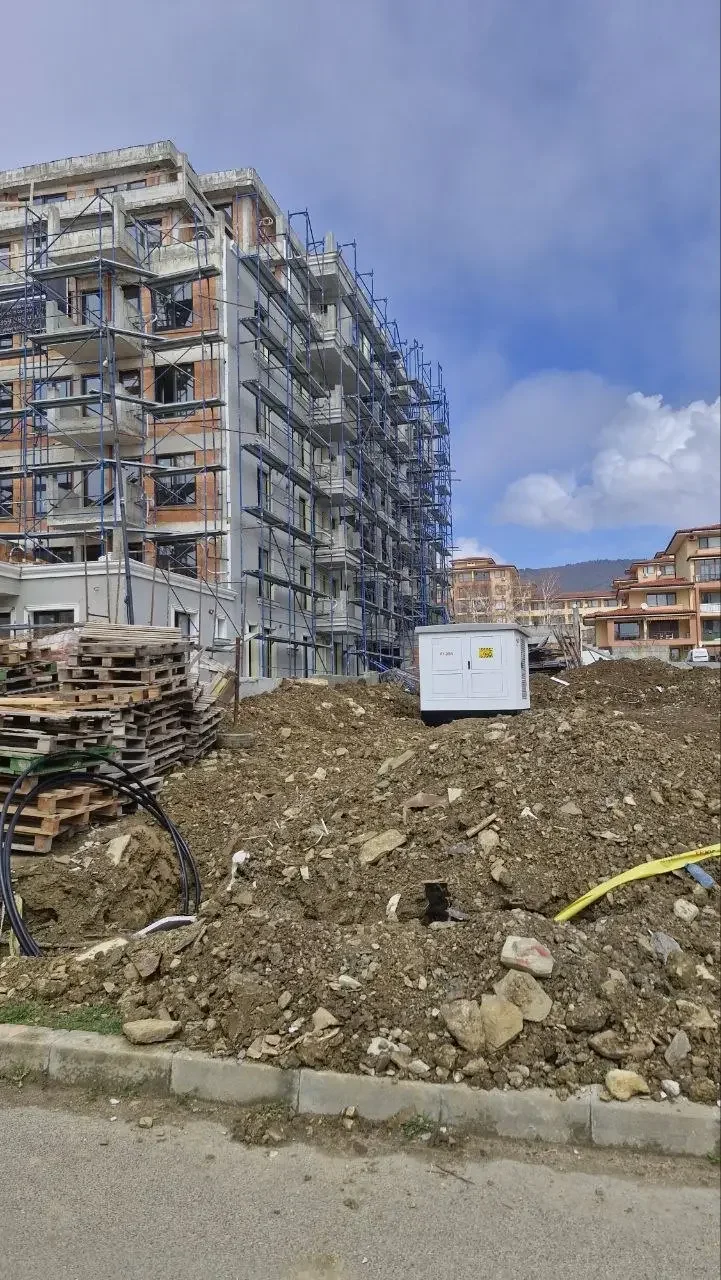
In 2026, the Bulgarian economy is entering a phase of more moderate but sustainable growth, in which construction and the real estate market remain among the main drivers. Experts predict a new increase in housing prices in the range of 5–10% in large cities, and construction production continues to grow faster than industrial production. Against this background, the question becomes increasingly acute: doesn't Bulgaria rely too much on "apartments" at the expense of factories, high-tech production and innovation?
"2026 will be a year of calming down, but without a drop"
Analyses by banks, agencies and consulting companies outline a relatively unanimous picture for 2026: the real estate market is normalizing after the record activity in 2025, but neither stagnation nor a real drop in prices is expected. Forecasts are for an increase in values between 5% and 8% in the big cities – Sofia, Plovdiv, Varna and Burgas – and in some more sought-after areas and with new construction, an increase of up to 10% is possible.
The European experience with the introduction of the euro, to which analysts refer, also supports a scenario of moderate price increases. Expectations are that after the adoption of the single currency, prices will grow rather smoothly, within 4–7% per year in the base scenario, with an optimistic variant of up to 8–10% with a faster decline in interest rates and increased interest in vacation properties. The market "calms down", but remains in a phase of appreciation – especially for quality projects and energy-efficient homes.
Fewer deals, but stable prices
After the record-breaking market in 2025, the first quarter of 2026 shows a slight retreat in the number of deals, but without reflection in the direction of lower prices. Analyses by real estate agencies describe the beginning of the year as "a slight lull after a storm": buyers become more picky, negotiate more intensely and carefully check the quality of construction and location, but interest in buying remains, especially for well-positioned and completed projects.
Studies by banks and consultants indicate that the demand for housing will remain stable over the next 2–3 years, supported by active mortgage lending, growing incomes and the desire of households to protect their savings from inflation. At the same time, a transformation of the buyer's profile is observed: properties with good transport links, energy efficiency and a quality environment – schools, green areas, services – are increasingly sought.
Construction is growing faster than industry
The latest data from the National Statistical Institute as of the spring of 2026 outline a mixed picture: industrial production shows a weakening, while construction, consumption and incomes are on the rise. In January 2026, construction production increased by about 4% compared to the same month of 2025, with building construction marking an increase of over 6%, and specialized construction activities growing by nearly 3%.
In parallel, international reports on the construction sector in Bulgaria predict an average annual growth of construction production of about 3.3% for the period 2024–2026, slightly above the expected growth of real GDP for the same period. Residential construction is gradually losing momentum, but this is offset by more dynamic investments in non-residential and infrastructure projects – office buildings, logistics bases, roads and public facilities.
The advantages of the model: a secure asset and visible growth
The fact is that the real estate and construction boom brings short-term benefits. Properties remain the most preferred "secure" asset for Bulgarian households – in conditions of inflation and geopolitical uncertainty, many see an apartment as a more reliable refuge for their money than financial markets. Construction provides tens of thousands of jobs, and the sector's tax contribution is measured in billions of leva annually through VAT, local taxes, fees, and social security contributions.
Because of these effects, politicians and local authorities often accept construction as the "fastest" form of stimulating growth. New neighborhoods and infrastructure bring visible success – ribbons are cut, projects are opened, statistics show growth. At first glance, the model seems profitable for everyone: investors, citizens, the state.
The disadvantages: an economy dependent on square meters
The risk comes when construction and real estate begin to dominate the economic picture at the expense of productive industries. The sale of properties is essentially the transfer of an asset between buyer and seller – it generates commissions and taxes, but does not always create sustainable added value in the future. If industry, technology and exports do not grow in parallel, the economy remains vulnerable.
At the same time, the too high price level of housing – with another year of price increases in 2026 – burdens household budgets and pushes young families towards longer-term and risky mortgage commitments. This limits their ability to save, invest in education and business, change jobs or cities. Part of the capital, which could finance factories, start-up companies or research and development centers, continues to be "locked" in concrete.
"Apartments instead of factories" in 2026: a strategic dilemma
The situation in 2026 can be described as "a slight lull, but on a high plateau". The real estate market is no longer growing at double-digit rates, but remains expensive and active; construction is expanding while industry shows signs of weakness. Against this backdrop, the long-term question is whether Bulgaria is using the favorable conjuncture to build a more complex and productive economy, or simply continues to bet on the most obvious sector.
Experts are increasingly warning that sustainable growth requires a balanced approach: real estate and construction to go hand in hand with industry, green technologies, ICT, research and development and modern agriculture. New neighborhoods must be supplemented by new industrial zones, logistics hubs and innovation centers – otherwise we risk having many new homes, but not enough high-paying jobs.
What model does Bulgaria choose after 2026?
The forecasts for 2026 are relatively calm: moderate price growth, stable demand, an active credit market. The real question, however, is what follows. If the real estate sector continues to absorb most of the savings and credit resources, and reforms in education, innovation and industry move more slowly, the risk of an "economy of the square meter" will remain.
The alternative is a clearer strategic framework: incentives for investments in productive assets, better access to financing for enterprises and start-up companies, a tax and regulatory environment that does not excessively privilege "money in concrete". In this context, 2026 may prove to be key – a year in which Bulgaria will either begin to use the real estate boom as an instrument for a wider transformation, or will consolidate its dependence on a cyclical sector whose sustainability is always in question.
You may also like

Whether in another ten years we will be talking about a "country of apartments", or about an economy in which factories, laboratories and high-tech services are at least as important as square meters, depends on the decisions that are being made today – far beyond the construction sites.
Коментари (140)
Stoyan51
27.04.2026, 14:12Хм, интересно... Ами наистина ли е добра идея да се фокусираме толкова върху строителството? Не е ли по-важно да подкрепяме и производството, за да имаме исти
Stoyan99
27.04.2026, 14:13Здравейте Stoyan51,
wxsvumu209
27.04.2026, 14:14Абе, Стояне, кажи сега, наистина ли толкова сме се загубили в тия апартаменти? "Интересно" е да кажеш, бе човек! Дали пък не си затваряме очите за по-важното?! Какво ще правим с всички тия нови жилища, ако няма фабрики, които да произвеждат нещо полезно и да плащат заплати на хората 👎
E0A30EE6
27.04.2026, 14:16Абе Stoyan51, здрасти! 🤣 Разбирам къде биеш - абсолютно си прав! Ама хайде сега, да не се правим на големи разбирачи... Все пак, какво да кажа аз?
63397ABD
27.04.2026, 14:31Абе, Stoyan51 прав си напълно! И аз се замислих като го прочетох това... 5-10% ръст на цените все пак е доста, макар че в София вече и да не чуваме подигравателните "България - най-евтиният квадрат", хаха. Но наистина трябва да внимаваме да не се зациклиме само върху жилища. Разбирам, че хората искат да си имат таван над главата, никой не е
Mariya62
27.04.2026, 14:34Абе Stoyan51, Dimi45... ама вие сте правИ! 😂 5-10%?! Да видим дали ще успеем да си намерим работещи хора в тези
pesho18@gmail
27.04.2026, 14:34абе, stoyan51 и тия другите - верно сте прав/и! тц... 5-10% ръст все пак е доста, особено като се има предвид, че и без това цените не бяха малко. все едно си затваряме очите за истинския проблем. ясно е, че хората искат
F7DD91
27.04.2026, 14:36Абе, верно... ама как да го направим иначе, к'во да произвеждаме? Русия ли ще ни
Dimi42
27.04.2026, 14:36ей хора! stoyan51 и ти си прав, бате! аз също се замислих яко! честно казано, малко ме е яд – не в строителите, разбира се, те си работят и създават места за работа, което е супер. но наистина ли само на апартаменти сме се вързали? 5-10% ръст… тоя процент май ще ни изстреля до марс, а трябва
Генов
27.04.2026, 14:37Абе хора, честно казано... малко ме е яд като го прочета това! 5-10% ръст на цените? Да, добре, растат, ама кво печелим от това всъщност?! Все едно си затваряме очите за по-важните неща.
6D7EFF
27.04.2026, 14:38Здравейте, Генов, съгласен съм с вас до голяма степен. Наистина, този фокус върху строителството на апартаменти може да ни отклони от по-важни неща – индустрията, технологиите, образованието... Все пак трябва да се има предвид и друго - много хора разчитат на жилищния пазар за доходи, за инвестиции. Има и такива, които 😡
gosho745@mail
27.04.2026, 14:51Абе, хоря, к'во става тука бе?! 2026-та, а още строим апартаменти? Не е лошо, де, все пак хората трябва да живеят някъде, ама... сериозно ли ни това е бъдещето на България? Заводи, технологии, иновации – к'во остана от това? 💥
Валов
27.04.2026, 14:52абе, ГОШО, к'во питаш бе?! европа строи, българия също! а ти искаш ли да гледаме как китай
yynjzk403
27.04.2026, 14:53Абе, Гьошо прав си! Да живеем, де, ама да не ни остане само с апартаменти бе! К'во ще прода
mega_boss
27.04.2026, 14:55Прав си, Гошо. Направо ми е тъжно да го гледам
rkbsjqv85
27.04.2026, 14:55Ами факт е! Цените растат, строежът кипи - значи има интерес. Нека да се възпол
crazy_master
27.04.2026, 15:19Ех, честно казано… малко ме е тъжно като гледам тези новини. Да, хубаво е, че се строи, хора имат нужда от жилище, разбираемо е. Но все пак... сякаш нещо не е наред. Все едно да си залагаме бъдещето само на един кон 😂
fpie246
27.04.2026, 15:21Абе, к'во значи "малко тъжно"? Тъжното е кат гледаш как правим едно и също от 20 години! Строим, строим, ама к'во произвеждаме всъщност? Апартаменти за инвеститори и за хора, дето са се замогнали от... апартаменти. Не е ли малко циклично това?! И после все се чудим защ заплатите не растат и защо сме на дъното на Европа.
Yordan57
27.04.2026, 15:22Здравейте! Наистина, доста се загледах в коментарите и много добре сте го казали, crazy_master. Ами, наистина ли трябва да разчитаме толкова на строителството? Не е лошо да има нови жилища – хората искат да живеят добре, това си е ясно. Но дали не пропускаме нещо по-важно в дългосрочен план? Интересно ми е, дали държавата об 😁
ibyh815
27.04.2026, 15:50Ебаси... Сериозно ли? 2026-та пак същото? Все строим, все повече апартаменти, а за какво работим тогава?! Няма как да изградим стабилна икономика само с тези "жертвени агнета" – купувачите на жилища
ivan900@mail
27.04.2026, 15:52Ей хора, четох коментарите по-горе и се замислих много… Сериозно. Тази новина е доста тревожна, ако го погледнем от гледна точка на бъдещето на България. Да, хубаво е, че има строителство, че хората имат възможност да си купят жилища – все пак това е основно човешко право и подобрява стандарта на живот, никой не оспорва това
fan544@abv
27.04.2026, 15:55Абе, Иван900, прав си! Съгласен съм на 100%. Радвам се, че хората имат къде да живеят, ама ако всичко е само строител
Млад_Реалист
27.04.2026, 16:19Абе, сериозно ли? 2026 година и все още говорим за апартаменти вместо заводи? Какво друго да очакваме от нас - да си правим курортни градове с бетон и после да ги продаваме на руснаците (извинете, но е факт) или
Стар_Човек
27.04.2026, 16:20Здравейте,
25F33E0A69
27.04.2026, 16:28Абе, наистина ли сме на прав път с тази тенденция? Не би ли било по-добре да залагаме повече на инду 😡
maria895@eu
27.04.2026, 16:31абе, здравейте! 😅 видях коментара ви и напълно съм съгласен, че нещо не е както трябва. наистина, 2026-а вече е почти тук, а ние се заиграваме със строенето на жилища все едно сме на игрален автомат. не казвам да спрем строителството – разбирам, хората искат да живеят прилично, имат семейства и т.н. но, чакай малко! къде са новите технологии? къде са инвестициите В зелена енергия, в роботизация на производствата, във високи технологии?
pro_legend
27.04.2026, 16:31Абе, хора, вижте сега... Прав път ли сме? Труден въпрос. Честно казано, ме е грабнала една тъга да я няма. Имам чувството, че гледаме един филм назат и всички се надяваме, че ще има добър край, ама...
Petar79
27.04.2026, 16:49Пак ли строене? Да ама за к'во ще ни са тия апартаменти, ако нема работа кой да ги
nzikmp953
27.04.2026, 16:51Ееее, пичове! Какво стааа? Видях новината за апартаментите... Мдааа, яко е да се строи, ама наистина ли само в това сме се вързали?! 5-10% ръст на цените, казвате… Браво на инвеститорите, печелят си парите, няма спор! Но май малко прекаляваме с тия квадрати.
Лош_Българин
27.04.2026, 17:28Абе, тва 5-10% ръст... нормално ли е
Yordan93
27.04.2026, 17:29Пич, кво става?! Четох за тия апартаменти... 5-10% ръст? Добре де, ама това докъде ще ни води? Все строим, все строиммм… А индустрията къде е останала? Мама му стара, нали не сме се превърнали само в гигантски строеж за
ultra_tiger587
27.04.2026, 17:31Абе... верно е, пич. Все апартаменти, все небостъргачи... ама реална работа нема к'во да правим. Ясно е че така няма да
Луд_Патриот
27.04.2026, 17:31Я си прав, пич. Строитили сме станали, а не държа
Прав_Реалист
27.04.2026, 17:32Абе, Yordan93, пич, точно твоето "къде е останала индустрията?" ме гложди най-много! 😂 Направо си го казал - все едно сме станали гигантска детска площадка за строители и инвеститори. 5-10% ръст... ама на каква цена, бе хора?
vmay784
27.04.2026, 18:12абе, хора, сериозно?! 5-10% ръст на цените... каква лудница! ясно е, че строителството върви добре, ама тоя бум с апартаментите май засенчва всичко друго. дано да не се окаже, че сме станали държава само на строежи и спекулации. 🤬
Dimi30
27.04.2026, 18:13Евала на строителите, разбира се! Но наистина ли само в строенето сме се фокусирали? 5-10% ръст... звучи малко лудостно, честно казано. Тря
Стено
27.04.2026, 18:18Абе Dimi30, ти прав си напълно! Какво ще стане, ако един ден се окаже, че сме заложили твърде много на строенето? Нали трябва да имаме и работа, и фабрики, нещо реално, а не само тухли и бетон. Нека поне да помислим дали не правим грешка, все пак... И 😏
Млад_Граждан
27.04.2026, 18:22Ааааа, пичове! Четох новината… 5-10% ръст на апартаментите?! Сериозно ви казвам, започва да ми е малко притеснително това. Добре де, че строителството върви - не казвам да го спираме, разбира се. Има работа за народа, това е важно! Но все едно някой си прави сметка само на квадратни метри…
pesho575@mail
27.04.2026, 18:25Еее, я баси! Млад_Граждан е прав на 100%! То верно, че работа има, да са живи строителите, ама к'во ни става все едно? Все апартаменти, апартаменти... Като почна
Вадар
27.04.2026, 18:27Абе, млáд граждан, ама наистина си прав! Какво става с тази държава бе?! Апартаменти, апартаменти... като прахосваме пари в бетон! Къде са заводите, къде е индустрията, питам ви? Да строим небостъргачи и да живеем на квартира в тях ли ще се опрем?!
bg757@mail
27.04.2026, 18:27Аби, Млад_Граждан, пичове сте вие наистина! 🤣 Четох твоя коментар и се замислих... 5-10% ръст, казваш? Да бе, да! То все едно на игралнята да гледаме как числата вървят нагоре. Работа има - това е факт, не отричам. Всеки трябва да си храни семейството. Ама к'во правим като свършат "квадратните метри" и тогава?
moopwr858
27.04.2026, 19:20бреей, хора! 5-10%?! да не ни изиграят руснаците с тия цени
bg56@bg
27.04.2026, 19:24абе, момче, к'во значи "да не ни изиграят руснаците"? има ли нещо конкретно или просто се плашиш? 5-10% ръст е доста, да, но може да е и от европейски фондове и интерес, а не само от някакви други. важното е къде отиват парите - дали в реални бизнеси
Стар_Граждан
27.04.2026, 19:24А бе, сериозно ли все още говорим за апартаменти?! някой
mega_tiger634
27.04.2026, 19:39абе, хора... тая работа с апартаментите наистина почва да е малко... странна. 5-10% ръст всяка година? ами индустрията тогава к'во става? дали не си затваряме очите за нещо важно тук, не знам. добре де, че има работа за хората, ама 😜
AC47C5A7
27.04.2026, 19:43Абе mega_tiger634, много прав си, братче. Тоя бум с апартаментите наистина е малко... обезпокоителен. Аз лично го следя от известно време и се чудя дали не сме на път да повторим някакви грешки от миналото. 5-10% ръст всяка година? Това не е устойчиво, ами ако нещо се обърне - какво ще стане? 🙄
Georgi38
27.04.2026, 19:43Абе, mega_tiger634, напълно си прав! Какво става с държавата ни, бе?! Строят се апартаменти като гъби след дъжд, ама къде е индустрията, къде са високотехнологи
cool_king225
27.04.2026, 19:40пич, нормално е да расте пазара на недвижими имоти, ама наистина ли само тук се инвестира? 5-10% е яко, ама да видим дали ще има
Vasil14
27.04.2026, 19:59Абе, сериозно ли? Апартаменти, апартаменти, само апартаменти?! 🤦♂️ Пак ли сме тръгнали да строим кули от карти? Какво става с истинския прогрес, бе хора? С иновациите, с технологиите, със създаването на реални работни места в сектори, които ни извеждат от тази проклета дупка?! 👏
Стар_Патриот
27.04.2026, 20:01Абе, Васил, напълно те РАЗБИРАМ за разочарованието! 🤦♂️ И аз съм така... чета новините и все едно си гледам филм от друго време. Това с апартаментите наистина е малко притеснително, да не кажа тревожно.
Dimi45
27.04.2026, 20:02Абе, сериозно ли? 2026 година и все още строим само апартаменти?! Дават 5-10% ръст... добре де, ама к'во ще правим с тези хора после, като няма индустрия, която да ги задържи тука?! Явно никой не мисли за бъдещето. Само квадратни метри и цици... Тц тц тц. Дано поне да е от европейски инвеститори, а не от някакви други
Petar15
27.04.2026, 20:06абе, dimi45, прав си напълно! направо ми идва да питам – к'во ни става, бе?! 2026-та година и все едно строим само дупки за хора, ама без работа! все едно се гоним сами... тц тц тц, точно казано.
0C8688
27.04.2026, 20:34еее, хора! видях новината... 2026 г., а ние пак строим само тухлички? 😅 не казвам, че апартаментите са лоши, кой не иска да си има таван над главата,
D2881D9B
27.04.2026, 20:37Пич, сериозно ли?! 2026-а и още строим само апартаменти? 🤦♂️ А индустрията къде е я? Нали сме
220650F1
27.04.2026, 20:38Абе, хора, тоя бум с апартаментите май ни води към пропаст! 🤦♀️ Явно някой си ми
E96D25F5
27.04.2026, 20:50Абе, ясно става. Строителството расте, цените налитат... добре де, жилище все пак трябва да има всеки. Но да видим дали няма
kkfcbo752
27.04.2026, 21:02Абе хора, да ви кажа... бая пари вървят в строителството, ясно е. Но наистина ли това е най-доброто, което можем да направим? Да
cyjqpf783
27.04.2026, 21:08ебати! 2026-та и пак строим само жилища ли?! и кво става с фабриките бе хора? не е ли 😁
A5E132
27.04.2026, 21:12Абе, cyjqpf783 прав си на 100%! Ебаси майката, докога така бе?! 2026-та е, а ние пак се пържим по строежи на тухли и бетон! Къде са инвестициите в технологии, къде са фабриките, къде е бъдещето, питам аз?! Да не си помисли някой, че сме станали държава на спекуланти и апартаментни магнати! 👏
real218@bg
27.04.2026, 21:10Хм… интересно. Тази тенденция с жилищата наистина буди мисли. Въпросът е дали този ръст в строителството на апартаменти не е малко... едностранчив? Разбирам, че хората имат нужда от дом и това е нормално, но дали наистина няма риск да залагаме твърде много на сектора на недвижимите имоти, а други ключови индустрии да бъдат позагубени в сянката му? Дали не трябва да се помисли по
nkyjm153
27.04.2026, 21:14Абе, real218@bg, напълно си прав! Тоя "бум" с апартаментите... все едно сме върнали времето назад,
fan79@gmail
27.04.2026, 21:23Хм, верно. Май наистина се заиграхме с тия апартаменти. Радвам се, че строят, защото жилище все пак трябва да има всеки, ама едно такова фокусиране само върху "квадратни метри" май не е баш правилното направление. Дано поне тез инвестиции в строителството не са за сметка на нещо по-ва
Вако
27.04.2026, 21:26Абе, верно каза! Fan79 го е уцелил точния момент. Радвам се, че строят – къде ще живеем иначе? Ама да не стане като в Москва - небо
adgmjxy446
27.04.2026, 21:32Абе, пичове, гледам коментарите и се замислям... Това с апартаментите наистина стана малко абсурдно вече, нали? Разбирам, че всеки иска да си има таван над главата, ама вижте какво се случва - строят се само жилища, а къде са новите фабрики, производствата, технологиите?! Нали трябва да произвеждаме нещо, за да можем после и тези апартаменти да си ги позволим, нали
omssmk279
27.04.2026, 21:34Амиии... к'во да кажа? Нормално е, брат. Така се прави пари в тая държа
mega_tiger
27.04.2026, 21:34Абе, пичове, adgmjxy446 много прав! Направо ме е яд как все строим апартаменти, а забравихме да правим нещо полезно. Все
Ivan76
27.04.2026, 21:37Ех, пич, точно си прав! Какво да го правим, пак се нароиха апартаменти... Явно сме решили да сме д
real_king
27.04.2026, 21:39Пак ли апартаменти, майна? Къде индустрия
dark_tiger
27.04.2026, 21:49Абе хора, к'во става с тая държава?! 2026-а вече! И пак си говорим за апартаменти... ама чакай малко - значи ли това, че сме се превърнали в огромна стройка само за да си купят апартамент някой софийски брокер или чужденец?
8B5860
27.04.2026, 21:50Ало, ЗДРАВЕЙТЕ!
gosho429@eu
27.04.2026, 22:09и наистина ли това е най-доброто, което можем да предложим след толкова време?
pesho877@gmail
27.04.2026, 22:14Пффф, Гошо прав си на 100%! Явно сме се зациклили само по тия апартаменти...
Тонов
27.04.2026, 22:28Ебаси цирка! 2026-а, значи... Като гледам каква е ситуацията, човек се чуди - абе нормална ли е изобщо тая работа? Апартаменти, апартаменти, само апартаменти! Явно строителните фирми са решили да си правят кеш на гърба на всеки, който има левче.
maria804@bg
27.04.2026, 22:29Ааа, Тонов прав е! 😂 Все едно сме седнали на огромен сапун и се
real162@abv
27.04.2026, 22:29Хм... 2026-а значи... все още ли говорим за това? Разбирам, че строителството дава работа на много хора, няма спор, но наистина ли това е устойчив модел за развитие? И ако инвестициите в имоти продължават да растат с такъв темп, а индустрията си остава назад - не се ли опа
real_master
27.04.2026, 22:31абе, чакай малка... до кога ще си трошим главите по тоя
pesho664@mail
27.04.2026, 23:17абе, я се замислих... все повече строят апартаменти, ама къде са но
Лош_Патриот
27.04.2026, 23:19абе, пешо, тъкмо се чудех същото! нали все говорят за "икономически растеж" ама като гледам - строят само апартаменти. к'во да разбирам аз от тоя ръст на цените? добре е за строителите и агентите, ама за нас обикновените – май нищо не променя освен че става все по-тру
Стар_Патриот
27.04.2026, 23:42Сериозно ли още строим само апартаменти? Къде индустрията, бе хора? 🤷♂️
real148@abv
28.04.2026, 00:28Абе хора, сериозно ли? 2026-а?! Както казва един мой приятел - "заспахме ли за постоянно?" Да, разбирам, строежът дава яко работа, ама к’во правим с тази икономика, бе? Всички се втурваме да си купуваме жилища, сякаш това е панацея. А индустрията? Производството? Къде останаха мечтите за модерна България, която произвежда качествени неща, а не само ги внася от Китай и... я, Русия да не споменавам
BDBEAA
28.04.2026, 00:32абе, наистина ли до 2026-а все още коментираме едно и също? вместо да инвестираме в бъдещето на българия – образование, наука, технологии – се заиграваме с бетон и мазилки 😂
Прав_Граждан
28.04.2026, 00:33Евала за коментара! Напълно съм съгласен, братче! Строи 💩
B171AC
28.04.2026, 00:42Ебаси, хора! 2026-а... значи още говорим за едно и също?! Сериозно ли? Както каза един колега по-горе – да сме се изнесли на Марс вече, а не да си бачкаме по тая тема.
Васлав
28.04.2026, 00:45Прав си, B171AC! Наистина е малко отчайващо да говорим за същото нщо след толкова време. Надявам се все пак този бу
Yordan26
28.04.2026, 00:45Абе, B171AC прав си на 100%! Все тая история, сякаш сме зациклили на едно и също. Марс май е по-добър вариант,
Прав_Българин
28.04.2026, 00:46Абе, B171AC, прав си напълно... ама к'во да го правим? Така е по-лесно за някои хора да се обогатят, отколкото да се занимават с 💩
64BAB5
28.04.2026, 00:49Бум с апартаментите е малко притеснителен, да… Ама пък хубаво е,
Стар_Българин
28.04.2026, 00:57Така и… Строят се къщи, ама май забравихме за фабри
super_master753
28.04.2026, 00:59ех, стар_българин, точно така си прав! наистина е малко притеснително да видиш такива новини... все едно сме се вкопчили само в недвижимите имоти, ами защо не инвестираме повече в технологии и производство? не е ли по-добре да имаме повече работни места, отколкото само апартаменти, които после стоят празни? замисляли ли сме се как този бум на строителството ще се отрази на децата ни –
xecj470
28.04.2026, 01:00Прав си, Стар-Българино! Точно така е... Мяза на спе
Толов
28.04.2026, 00:59Пълна лудница! 2026-а?! Значи все още си играем на "строителство = развитие"? Ами ако погледнем в бъдещето, бе? Как
Радар
28.04.2026, 01:18абе, пичове, вие говорете... 2026-а?! сериозно ли? па то отсега е ясно, че ще строим апартаменти и нищо повече. икономика, модернизация - празни приказки. трябваше да се инвестира в нещо смислено, ама кой го прави? всички хвърлят пари в строителството, щото там има печалба бърза. ама к'во ще стане кат' се за
163A8B
28.04.2026, 01:58Абе хора, к'ви 2026-ти... ясно е, че така няма как! Строителство до небесата, ама реална работа нема. Трябва ни баланс, бе! Не 👎
Dimi45
28.04.2026, 02:03абе, наистина ли си чакаме 2026-та да разберем к'ви сме? малко прекалено, май! какво очаквахте друго,
qcguzx760
28.04.2026, 02:04Абе, Dimi45, прав си на 100%! Чакаме 2026-та да ни стане ясно, че строим само апартаменти ли?! Сериозно ли? Какво друго да очакваме, братче? Да не би случайно да сме станали държава на строители и брокери, а не на инженери и производители?
brmxlve417
28.04.2026, 02:05Абе Dimi45, сериозно ли? 2026-та?! К'во да разберем тогава, бе човек? Че строим като мало корави, ама нямаме нищо друго? Да си гледаме банките и строителните фирми, че те яко ги ке
mega_tiger
28.04.2026, 02:12абе тва да 2026 ли ще го ОСЪ
Стар_Българин
28.04.2026, 02:13Здравейте
nadmuj82
28.04.2026, 02:20пич, тва е ясна работа! 🤦♀️ да си играем на криеница до 2026 ли? апартаменти, апартаменти... ама к
Ivan50
28.04.2026, 02:28И наистина ли това е устойчиво развитие? 🤔 Загрижава ме...
real_angel814
28.04.2026, 03:00Хм... А дали наистина това е знак за добре развиваща се икономика, или просто балон, който ще глътне
dark_legend512
28.04.2026, 03:04абе, real_angel814, много прав си! и аз се замислям... ама кажи сега, кое е по-лошо - да има бум на имотите и хората да имат покрив над главата (все пак не всички), или да останем с празни фабрики и безработица? не казвам, че трябва да строим само апартаменти, разбира се. т
Petar54
28.04.2026, 03:18Ебати, наистина ли такава е картинката? 2026 година и все още строим апартаменти като бесни, ама заводите – кога ще ги видим да гъстнат? Това с бумa на имотите ме кара да се замислям - дали просто си играем на "правим сякаш нещо се случва" или наистина има някаква дългосрочна стратегия?
CC5D5C70
28.04.2026, 03:23Абе, Petar54, баси, верно е! И аз се замислих като те гледам – 2026-та, а все едно си строим панелки пак! Тоя "бум" май само на строителите ги кефи, ама нас к'во ни остава? Аман от апартаменти! Къде са тия заводи, бе?! Да не се окаже, че ще имаме хилави икономики и хубави
E266EE3CDF
28.04.2026, 03:42хм, интересно развитие. подобен фокус върху строителството на жилища може да има краткосрочни позитиви за сектора, но определено е важно да се следи дали това не идва за сметка на други ключови индустрии. трябва да има баланс, за да не зависи икономиката само от едно направление. дано държавата има план как да подкрепи реал
fan553@abv
28.04.2026, 03:45Абе, хора, ясно е че апартаменти строим, ама да 👎
maria154@mail
28.04.2026, 04:01Абе, хора, к'во да кажа… 2026 година, а ние пак за апартаменти се вълнуваме? Не е ли време да си гледаме и другите пера на бюджета, бе?! Разбирам, че хората искат да живеят добре, но все едно строим само тухли и мазилка. Да не стане като с всички тия руски инвести
gszy948
28.04.2026, 04:08Хмм... странна работа. Дано не ни закъснее модернизацията заради тия
Тошко
28.04.2026, 04:38Абе, хора, кво да ви кажа... 2026-а е, а ние все за тухлички ли?! Не би ли се появила една фабрика де? Иначе как ше го правим като
Бослав
28.04.2026, 04:58Пич, сериозно ли? 2026-а ни е?! И пак строим апартаменти като обезумели! А фабриките къде са? Къде ще намерим работа след години, ако всички инвестиции отиват само в жилищно строителство? Не казвам да спираме да строим, разбира 🙄
Ивачев
28.04.2026, 05:33Ей хора... четох новината и ми стана малко тъжно, да ви кажа честно. 2026-а е... все едно си говорим за бъдеще, което вече почти е тук, а ние продължаваме с тая лудост по строене на жилища. Не казвам, че не трябва да се строи - напротив, хората имат нужда от домове и това е нормално. Но като гледам как индустрията забавя, как приоритетите ни са обърнати... някаква тревога ме глозга. 😡
user603@gmail
28.04.2026, 05:38Абе Ивачев, напълно те разбирам! Наистина е малко притеснително това, което пише в новината... Аз също имах чувството, че времето лети и все още се фокусираме само върху жилищата. Не казвам, че не е важно да има къде да живееш - напротив! Всеки иска свой дом, особено младите хора.
Пено
28.04.2026, 05:49И какво, сериозно, инвестициите в производството са по-приоритетни от осигуряването на жили 😁
maria152@eu
28.04.2026, 06:00Абе, майтап да става ли бе? Пак ли с тия апартаменти? Сериозно, има ли някой план
Честит_Реалист
28.04.2026, 06:02мамка му! абе мария, абсолютно си права! пак ли апартаменти?! да строят ама фабрики бе хорааа! за какво ще гледаме
Стар_Българин
28.04.2026, 06:48Хм, доста сериозна новина. Апартаменти вместо заводи… Явно пазарът диктува правилата, но си е истина, че трябва да внимаваме. Растеж на цените – добре, защото това показва някаква активност, ама ако само в строителството е, май не е
cool_legend839
28.04.2026, 06:51ало! видях коментара на стар_българина – прав е човекът. и аз се замислих като го прочетох. да, ръст на цените си е хубаво, показва, че има някакъв интерес към българия, хора искат да живеят тук, което си е огромно предимство. ама наистина е малко притеснително, ако единственото нещо, което правим, са апартаменти.
uvbiit521
28.04.2026, 06:51Абе, Стар_Българин прав си! Къде ли не се чува "растеж", "бум"... ама да е растеж с качествени работи, а не само квадрати! Честно казано, малко ме е яд като гледам к
hfkkq186
28.04.2026, 06:59А бе, сериозно ли? Само апартаменти строим ли, баце? Къде останаха работ
Бонов
28.04.2026, 07:30Ехаа, пак ли апартаменти? Да не сме държава на строители вече
Mariya52
28.04.2026, 07:40Ами... малко ме е тъжно да го чета. Все едно вместо да развиваме нещо истинско, си строим играчки. Не ка 🙄
pesho589@abv
28.04.2026, 07:52Абе... май ЩЕ се натряскаме с тия апартаменти. Да
B8CA5D
28.04.2026, 08:52Ей, здравейте! Четох коментарите по-горе и доста ме замисли тази новина... Наистина ли сме стигнали до там да залагаме толкова мн на строителството? 5-10% ръст в цените – хубаво е за хазартчиите, разбира се, ама… наистина ли това е устойчив модел?
bzpjor763
28.04.2026, 08:57Абе, здрасти! Б8CA5D, прав си кат гръмотевична буря. 5-10% ръст... ама за какво ще ползваме
Vasil13
28.04.2026, 09:11абе, хора, к'ви са тия цени... 5-10%?! нормално е да има ръст, разбира се, ама трябва малко разум все пак. да видим дали ще има
bg361@mail
28.04.2026, 09:31еееее, пичове! четох коментарите – доста се е разпалила дискусията! аз пък да си кажа мнението... сериозно, 5-10% ръст на имотите? това вече е малко много, не мислите ли?!
nlzq11
28.04.2026, 09:32Сериозно ли? Строят се апартаменти, ама индустрията спира... кърти се наглио! Тря 💥
Стеко
28.04.2026, 10:11абе, хора, вие го казвате... 5-10% ръст на апартаментите?! тва май значи, че все повече хора купуват, ама к'ви пари ще останат за други неща? и да се надяваме, че
F586CD3E38
28.04.2026, 10:11Хм... Интересно. 5-10% ръст на цените всяка година? Дали просто не си затваряме очите за по-големия проблем - липсата на истинска диверсификация в икономиката ни? Строителството е добре, разбира се, дава работа, но дали това наистина е устойчив двигател за развитие или просто временно решение, докато не скочи нещо друго?
Vasil21
28.04.2026, 10:39сериозно, к'ви са тия цени? и защо фабрики немаа
pro_master457
28.04.2026, 10:40Абе, многу интересно, ама малко притеснително... Все едно залагаме само на един кон в състезанието. Да се надяваме, че държавата има някакъв план
Нико
28.04.2026, 11:30абе, виж сега... цялата работа ми се струва малко странна. да строят апартаменти, добре, ама ако няма фабрики, как ще има работа за хората? иначе ще станем като швейцария - само туристи и богати пенсионери. не казвам, че е лошо, разбира се, ама трябва да помислим и за децата ни кво ще правят тук. дано не стане така, че всички да бягат пак на запад...
46E78D9A82
28.04.2026, 11:53Ебяти цирка! 5-10% ръст на цените... абе, майтап да става. Ясно е, че строят къщи като за световно, ама някой слънцегрейци да помислят и за работа? Иначе ще живеем в хубави апартаменти, но без пари.
Луд_Патриот
28.04.2026, 13:09Абе, пак ли с тези имоти?! Честно казано, малко ме е страх от тая тенденция... 5-10% ръст всяка година? Ама наистина ли това е най-доброто, което можем да направим? Разбирам, че хората искат да живеят добре, ама къде остана икономиката? Да не се окаже, че ще си имаме хубави апартаменти, но ще купуваме хля
Истински_Бургазлия
28.04.2026, 13:13Добре де, прочетох новината и доста ме накара да се замисля. Наистина ли сме попаднали в ситуация, в която строителният бум затъмнява всякакви други усилия за развитие на българската икономика? 5-10% ръст на цените на жилищата – това е добре за хората, които продават или вече имат имоти, но какъв е ефектът върху тези, които тепърва ще си търсят дом? Не става ли все по-трудно за младите хора да си купят апартамент в градовете?
qwkez648
28.04.2026, 13:43Абе, хора, много ме е яд от тая новина, сериозно! 5-10% ръст… ама хайде де! Не че нещо лошо има да строят апартаменти – все пак хората трябва да живеят нали? Но КАТО гледам как закъсняват всички инвестиции в други сектори… наистина ли ще станем държава само от тухли и мазилка?!
mega_wolf
28.04.2026, 13:51Сериозно ли никой не вижда проблема? Ще строим само жилища ли
023EA590
28.04.2026, 13:53Абе, ясна работа - пак някакъв бум... 5-10% ръст, де то е добре за някои, ама к'во става с останалите? Все едно строим само за да строим, а не да развиваме нещо реално. Европа ни гледа и се чуди к'ви сме луди, а Русия сигурно се хили от
super_hero
28.04.2026, 14:01Ебаси! Пак ли строене, строене?! 5-10% ръст… Ами фабриките? Ами технологиите? Всеки гледа да си купи апартамент, ама к'во ще правим като 🇧🇬
super_hero518
28.04.2026, 14:03Хм... Ясно е, че нещо се случва. Ама то като гледам - строят все повече, производство няма. Все едно се над