
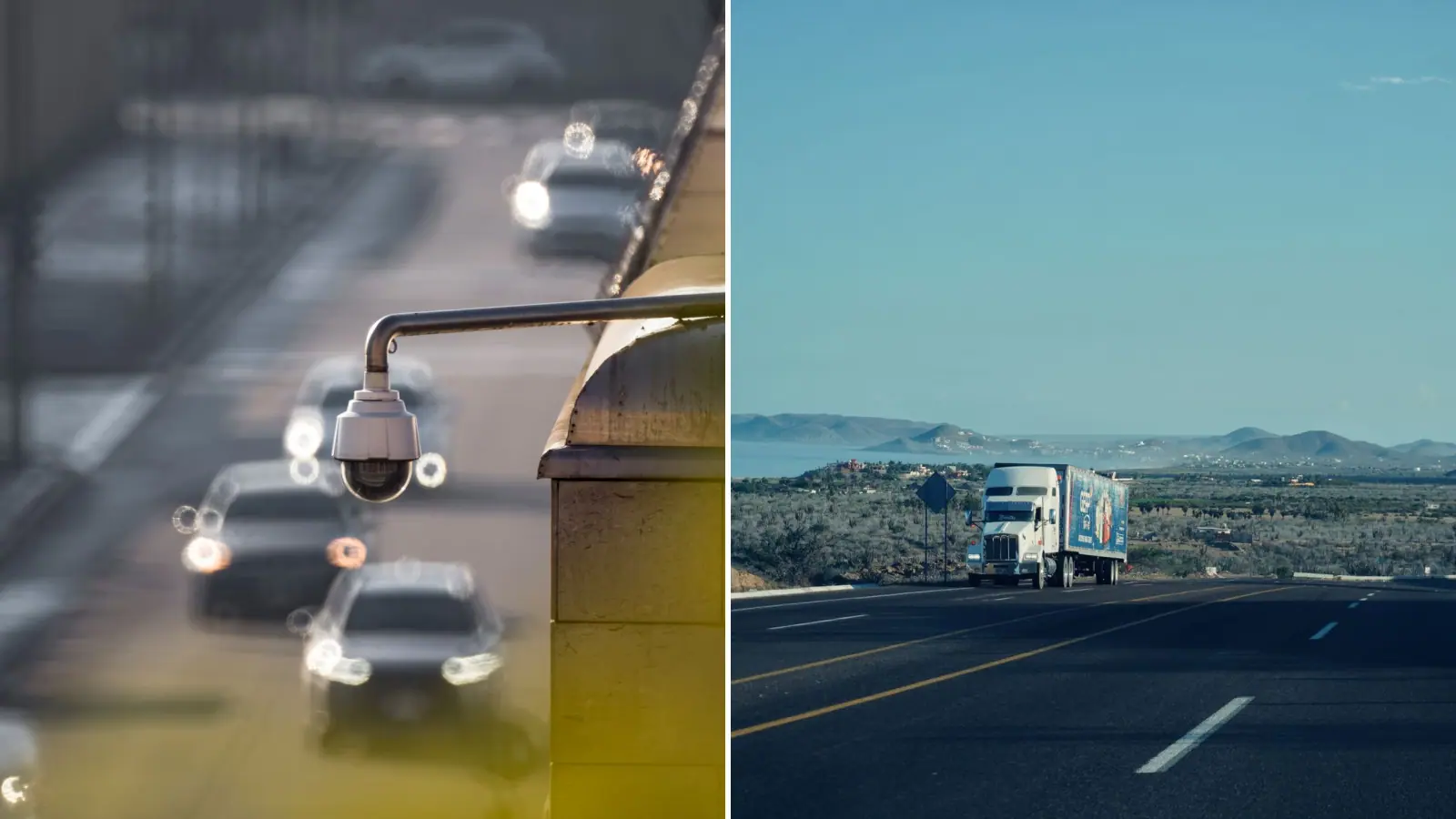
The interior and transport ministries are preparing a joint road information system, deputy interior minister Kaloyan Kaloyanov said after a briefing on the Trakia motorway. Data from sensors and cameras will go to a single information centre, which will pass it to the services and to drivers, including through electronic signs.
Yesterday Kalin Stoyanov, an MP from the DPS party and a former interior minister, called for the resignation of everyone responsible for the pile-ups on Trakia at the Zimnitsa junction in Yambol region. Prime minister Rumen Radev cancelled his schedule in Varna and yesterday's cabinet meeting because of the crashes.
The previous development: Kalin Stoyanov calls for resignations after Trakia motorway pile-up near Zimnitsa
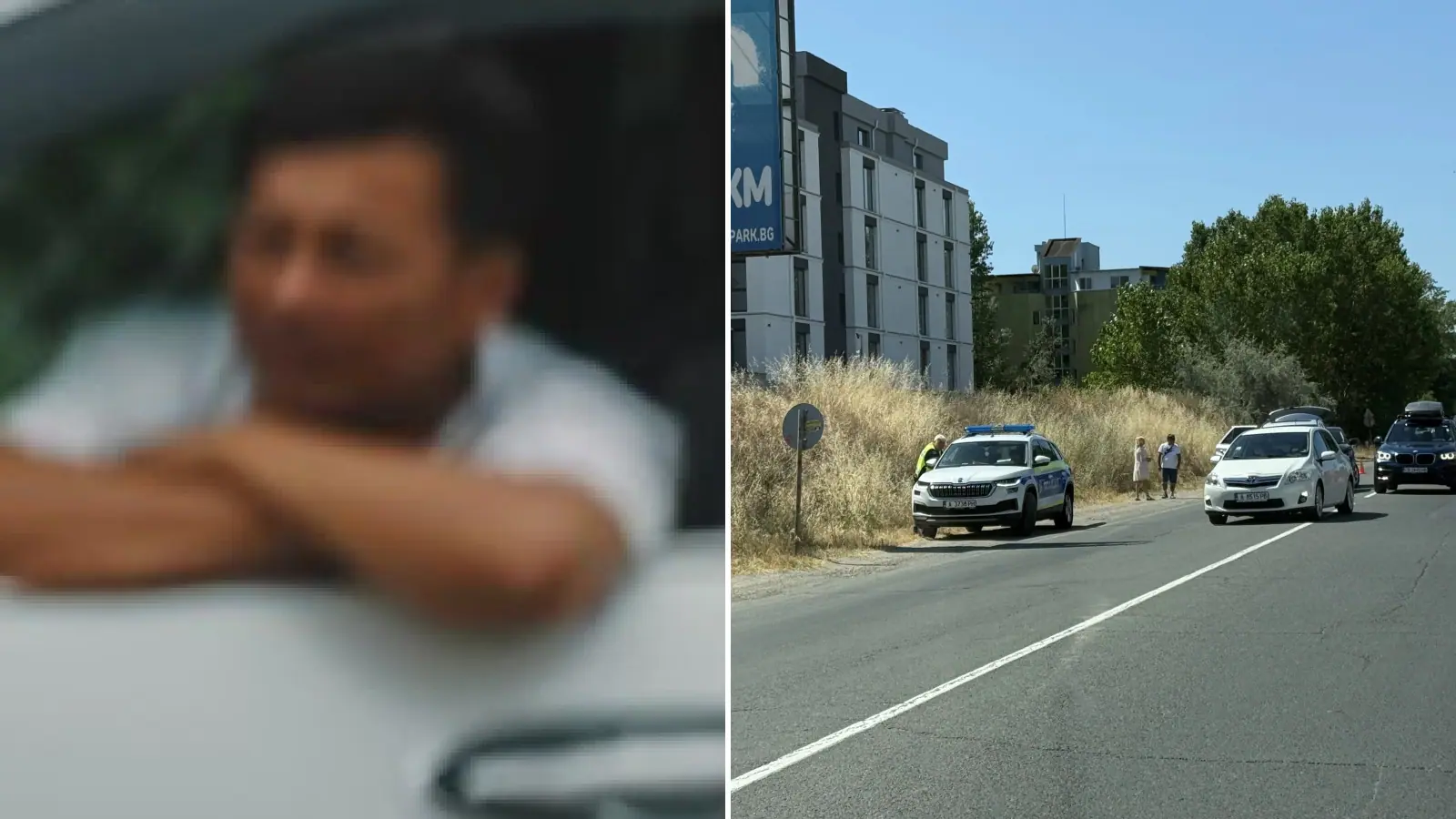
The interior ministry told a parliamentary committee it wants lorries banned from overtaking on motorways. Kaloyanov hopes MPs will back the proposal. He says lorries are heavily on the road at the hours of the crashes because drivers pick times when there are fewer cars.
"This road safety problem is systemic, and so the steps we must take to solve it to some extent must be complex," Kaloyanov told Bulgarian National Radio (BNR). He says the various systems have not been linked for years, and information from separate channels is not gathered in one place to reach those who need it. So all services linked to traffic must be informed, not just the police, along with drivers.
The single information centre is planned as the lead body running the system. The interior ministry will receive its data and take over some duties of the traffic police, the toll agency and the road transport inspectorate (DAI). The National Revenue Agency (NAP) and the Customs Agency will get the data that concern them. The centre, not a person watching cameras, will change the messages on the signs. The technical solution will decide whether the change is automatic.
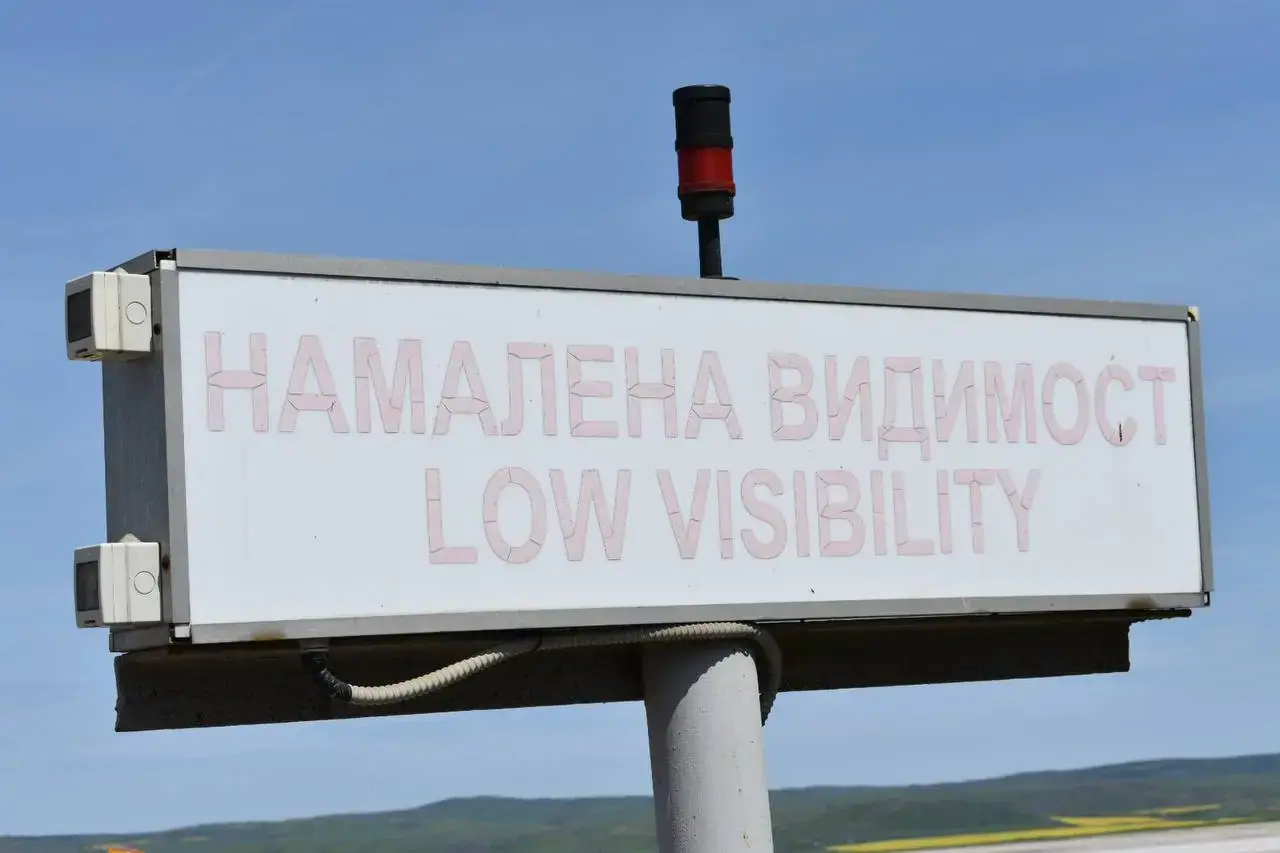
Kaloyanov recalls that in 2019 there was a public procurement for VMS boards, electronic signs that show changes in road conditions and give drivers instructions or advice. He says 40 boards were to be bought, 20 in each direction, and the design work was paid for. "For reasons unknown to me, this public procurement did not take place," the deputy minister told BNR (Horizont).
Buying the signs alone does not solve the problem, Kaloyanov says. They must get data from modern sensors in the toll cameras and in the asphalt. He says the sensors detect ice, snow, wet or flooded road surface and fog, and can also weigh heavy vehicles.
A road safety working group set up by order of the prime minister is preparing the change in approach. It mainly includes the transport and interior ministries, along with representatives of other ministries. Yambol regional governor Georgi Chalakov, Dobrin Dimitrov of the Yambol regional police directorate (ODMVR) and local fire chief Ivan Dinev attended the briefing. Kaloyanov also told BNR that the action protocols of the BG-ALERT system need to change.
The interior ministry has studied how Greece, Spain and the Baltic states cut road deaths over 10 years. Kaloyanov says their approach is complex, and smart systems built on this principle work there.
The ministry has a geographic information system that maps risky road sections across Bulgaria, including those with frequent fog, and uses it to assign road patrols. On rainy weekends, police across the country are told to drive in traffic with their warning lights on so that drivers adjust, and this is already practice.
"The traffic police is not a revenue agency," the interior minister has said in recent months.



Comments (0)
No comments yet.