
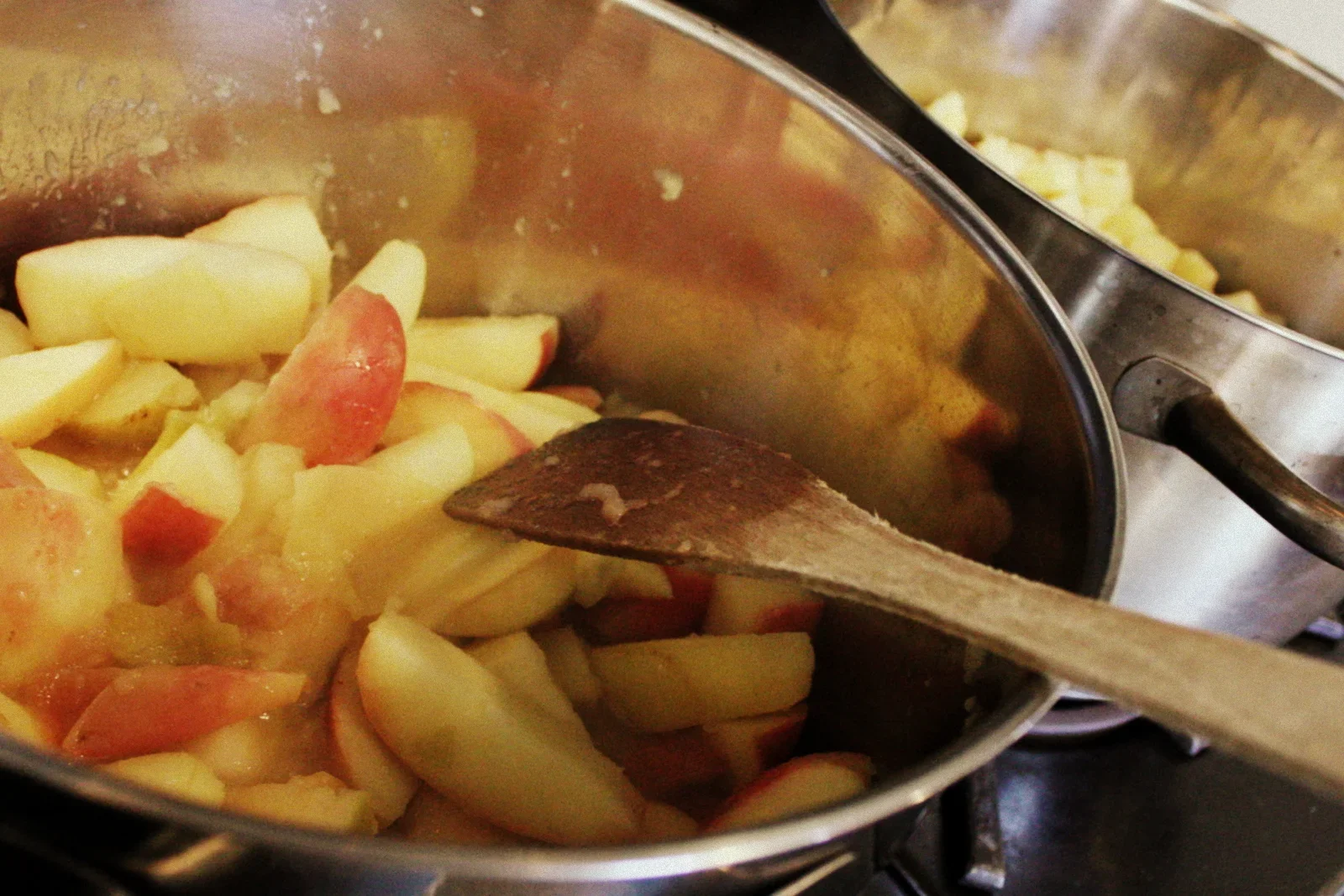
3 февруари 2026 г. — Всички знаем, че здравословното хранене е важно. Препоръчваме си диети, богати на плодове и зеленчуци, и ограничаваме консумацията на червено месо, нали?
Специалистите често ни съветват да консумираме „всички цветове на дъгата“ и ни насочват към диети като средиземноморската, които отдавна се смятат за полезни за здравето, свързани с по-добро сърдечно здраве и намален риск от рак. Но истината е, че какво слагаме в чинията си е само част от историята.
Защо начинът на приготвяне е от значение
Как точно приготвяме храната е също толкова ключово, особено когато става въпрос за превенция на рака. „Начинът на приготвяне може да промени химичния състав на храната,“ обяснява д-р Шикха Джейн, онколог. Някои техники са синоним на образуване на вредни съединения, докато други запазват полезните вещества и намаляват възпалението. Всеки ден правим избор как да готвим, често избирайки един и същ метод.
„Малките разлики в начина на приготвяне се натрупват с времето и могат да повлияят на дългосрочното здраве,“ добавя тя. И друг онколог потвърждава това, отбелязвайки, че промяната в кулинарните навици може да бъде от полза за тялото ни и за дълголетието. Д-р Андре Гой допълва, че по-безопасните начини на готвене запазват хранителната стойност и ограничават излагането на вредни вещества.
Кой метод на готвене да избягваме?
Ако се питате кой е най-добрият начин да намалите риска от рак, трима специалисти са единодушни: трябва да избягвате прекомерното загаряне на храната. Независимо дали става дума за месо или зеленчуци. Загорелите храни, както обяснява хирургът-онколог д-р Антон Билчик, водят до образуването на хетероциклични амини (HCA) и полициклични ароматни въглеводороди (PAH). Тези съединения могат да увредят ДНК в клетките и да увеличат риска от развитие на рак, особено колоректален.
Ако тези термини звучат плашещо, нека обясним: HCA се образуват, когато протеини от месо, птици или риба са изложени на много високи температури. PAH се създават, когато мазнината капе върху пламъци или силно нагорещени повърхности, образувайки дим, който полепва по храната.
Ами ако нещо случайно загори? Не бързайте да изхвърляте всичко. Според д-р Гой, ако е леко загоряло, можете просто да отрежете или изстържете почернелите части. Ако обаче храната е силно изгоряла навсякъде, най-добре е да я изхвърлите, тъй като концентрацията на HCA и PAH в тези зони е най-висока.
Ами паниката?
Ако сте прочели всичко това, вероятно се питате какво да правите сега. Д-р Джейн съветва да не се паникьосвате. Просто не превръщайте прегорелите храни в навик. Ако вече сте консумирали загоряла храна, може би се чудите дали вече сте повишили риска си и колко точно е „твърде много“. Д-р Джейн отговаря, че няма ясна граница. Рискът зависи от честотата и продължителността на излагането. От време на време загоряло ястие едва ли ще увеличи значително риска, но редовната консумация на силно загоряла храна може да го направи.
Към по-безопасно готвене
Най-добрият подход е да промените начина си на готвене. Първата стъпка е планирането на менюто. Д-р Билчик препоръчва да включите повече плодове и зеленчуци. Що се отнася до протеините, трябва да подходите по-внимателно, особено ако се притеснявате за риска от рак. Д-р Гой препоръчва растителни източници на протеин като леща, боб и тофу, както и риба като сьомга. Червеното и преработено месо – бекон, наденици, колбаси и деликатеси, са предупредителен сигнал.
Световната здравна организация категоризира преработените меса като канцерогени от група 1. След като планирате менюто си, идва ред на готвенето. Д-р Билчик споделя няколко стратегии, които не увеличават риска от рак и същевременно помагат за запазване на хранителните вещества. Тези техники са особено подходящи за пациенти на химиотерапия с възпаления в устната кухина, промени във вкуса и умора.
И така, готови ли сте да преосмислите начина си на готвене, за да защитите здравето си? Възможно ли е готвенето да е вашият следващ голям съюзник в борбата срещу рака?
Коментари (5)
Абе, пяк ли? Щом ще ни казват как да си ярем духаме, добре
А бе, сериозно ли? Ще ми обясняват сега дали пърженето е лошо за рака? Някой изобщо готви ли нщо у НАС, освен пиле с бира? 😅
Ами то верно ли, че сега ще готвим като диетолози, за да избегнем
Ааа, значи сега па и готвенето е политика... 🤷♂️ Добре де, ама все едно, трабва да се гледа какво ядем, нали? Да си хапнем нещо свястно, щом
Пфууу, пак ли! Винаги нещо ново... Ама да, де, прави са - каквото я 💩