
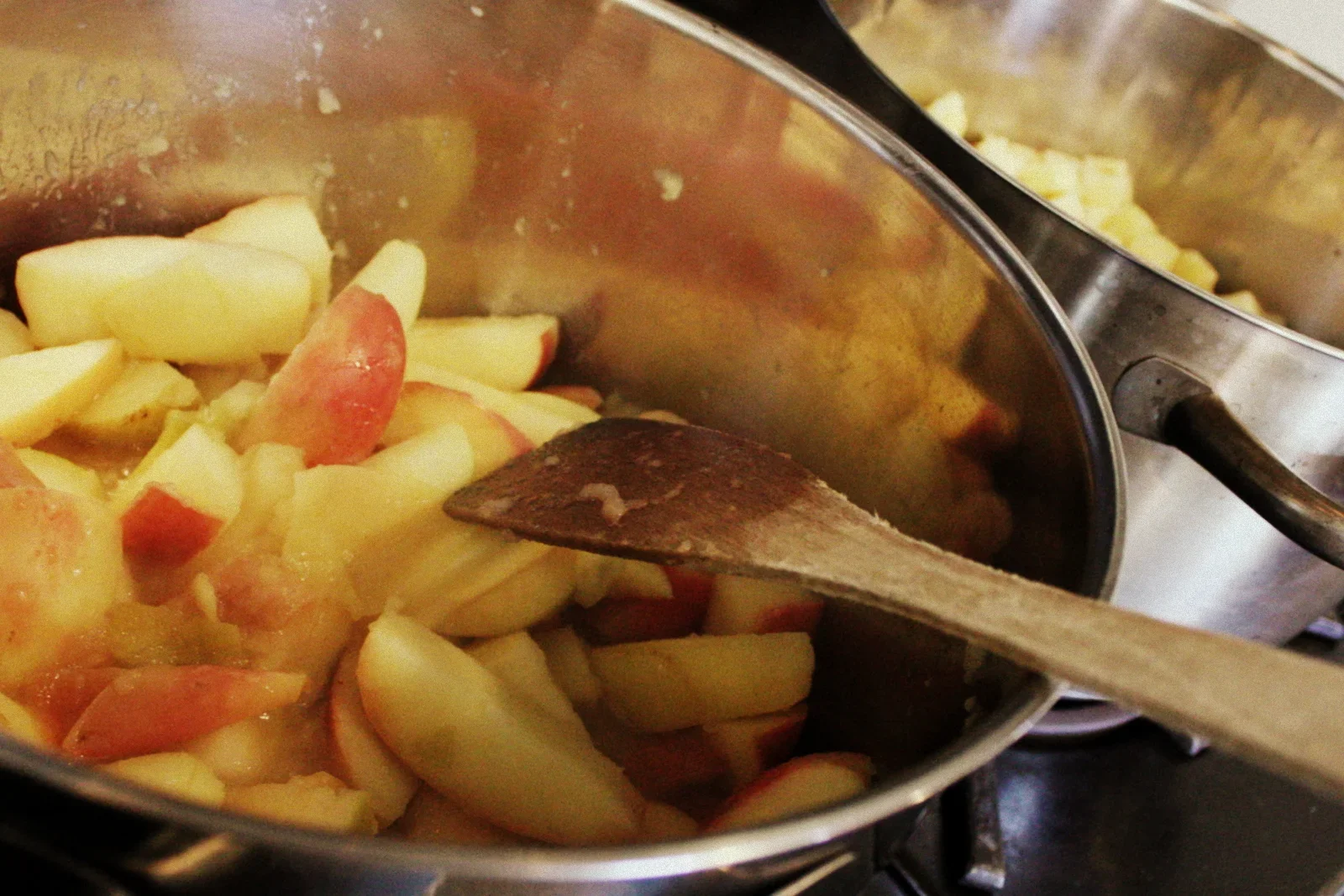
February 3, 2026 - We all know that healthy eating is important. We recommend diets rich in fruits and vegetables, and limit the consumption of red meat, right?
Experts often advise us to consume "all the colors of the rainbow" and guide us towards diets like the Mediterranean diet, which has long been considered beneficial for health, associated with better heart health and a reduced risk of cancer. But the truth is, what we put on our plate is only part of the story.
Why the way of cooking matters
How exactly we prepare food is just as crucial, especially when it comes to cancer prevention. "The way of cooking can change the chemical composition of the food," explains Dr. Shikha Jain, an oncologist. Some techniques are synonymous with the formation of harmful compounds, while others preserve beneficial substances and reduce inflammation. We make a choice every day how to cook, often choosing the same method.
"Small differences in the way of cooking accumulate over time and can affect long-term health," she adds. And another oncologist confirms this, noting that a change in culinary habits can benefit our body and longevity. Dr. Andre Goy adds that safer ways of cooking preserve nutritional value and limit exposure to harmful substances.
Which cooking method to avoid?
If you're wondering what the best way to reduce the risk of cancer is, three specialists agree: you should avoid excessive burning of food. Whether it's meat or vegetables. Burnt foods, as explained by surgical oncologist Dr. Anton Bilchik, lead to the formation of heterocyclic amines (HCA) and polycyclic aromatic hydrocarbons (PAH). These compounds can damage DNA in cells and increase the risk of developing cancer, especially colorectal.
If these terms sound scary, let's explain: HCAs are formed when proteins from meat, poultry or fish are exposed to very high temperatures. PAHs are created when fat drips onto flames or hot surfaces, forming smoke that sticks to the food.
What if something accidentally burns? Don't rush to throw everything away. According to Dr. Goy, if it's slightly burnt, you can just cut off or scrape off the blackened parts. However, if the food is heavily burnt everywhere, it's best to throw it away, as the concentration of HCAs and PAHs in these areas is highest.
What about the panic?
If you've read all this, you're probably wondering what to do now. Dr. Jain advises not to panic. Just don't make burnt foods a habit. If you've already consumed burnt food, you may be wondering if you've already increased your risk and exactly how much is "too much". Dr. Jain answers that there is no clear boundary. The risk depends on the frequency and duration of exposure. An occasional burnt dish is unlikely to significantly increase the risk, but regular consumption of heavily burnt food can do so.
Towards safer cooking
The best approach is to change your cooking method. The first step is menu planning. Dr. Bilchik recommends including more fruits and vegetables. As for proteins, you need to be more careful, especially if you are concerned about the risk of cancer. Dr. Goy recommends plant sources of protein such as lentils, beans and tofu, as well as fish like salmon. Red and processed meat - bacon, sausages, cold cuts and deli meats, are a warning signal.
The World Health Organization categorizes processed meats as Group 1 carcinogens. Once you've planned your menu, it's time for cooking. Dr. Bilchik shares several strategies that do not increase the risk of cancer while helping to preserve nutrients. These techniques are particularly suitable for chemotherapy patients with oral inflammation, taste changes and fatigue.
So, are you ready to rethink your cooking style to protect your health? Is it possible that cooking will be your next big ally in the fight against cancer?
Comments (5)
Абе, пяк ли? Щом ще ни казват как да си ярем духаме, добре
А бе, сериозно ли? Ще ми обясняват сега дали пърженето е лошо за рака? Някой изобщо готви ли нщо у НАС, освен пиле с бира? 😅
Ами то верно ли, че сега ще готвим като диетолози, за да избегнем
Ааа, значи сега па и готвенето е политика... 🤷♂️ Добре де, ама все едно, трабва да се гледа какво ядем, нали? Да си хапнем нещо свястно, щом
Пфууу, пак ли! Винаги нещо ново... Ама да, де, прави са - каквото я 💩