
MPs on parliament's economic committee have backed changes that would let critical goods reach the market faster during a crisis. The committee passed the bill on first reading, with 12 votes in favour, 6 abstentions and none against.
The government submitted the changes on 23 September. Deputy economy, investment and industry minister Mihaela Karadimova presented the bill to the committee. She said it sets out separate rules and steps so that, in a crisis, important products can reach the market faster and shortages can be avoided.
The law adds a new chapter called "Emergency Procedures". The new rules would only kick in once an emergency is declared on the EU's internal market, and would only cover goods the European Commission labels "crisis-relevant".
In that case, products that skip the usual checks by a notified body could still reach Bulgaria's market in three ways. First, the head of the State Agency for Metrological and Technical Surveillance could allow it after recognising an authorisation issued by another EU country. Second, the European Commission could extend such an authorisation to the whole EU by its own decision.
These products would not carry a conformity mark such as "CE", either during the crisis or after the emergency rules end. Instead, the manufacturer would declare on its own responsibility that the product is safe, and it would have to carry a clear label in Bulgarian saying it was placed on the market as a "crisis-relevant good".
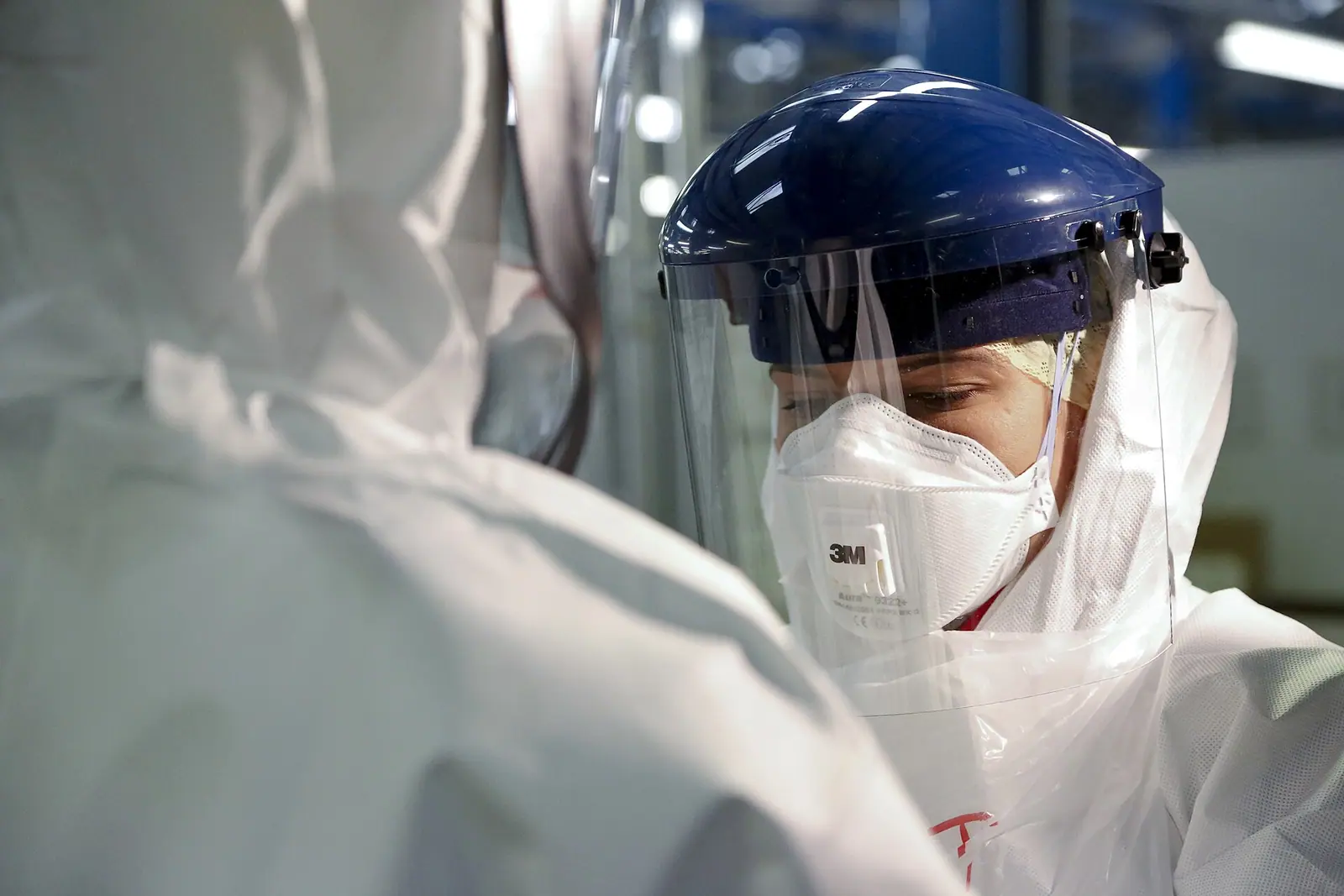
The government points to the Covid-19 pandemic to justify the change. It says the pandemic showed that the usual harmonised checks are too slow and risk causing serious shortages of vital goods — things like protective gear, medical and technical equipment, machinery, gas appliances and pressure equipment. Karadimova said the changes simply bring in the EU's crisis rules and do not touch the general rules on civil and commercial liability.
Boris Aladzhov, from Vazrazhdane, asked who would pay if a product from outside the EU, let in under the relaxed rules, turned out to be faulty and caused serious harm or death. He asked whether importers have insurance or money set aside to cover compensation. The economy ministry said faults would be handled as they are now: the manufacturer is responsible first, and if the manufacturer is outside the EU, that responsibility passes to the importer. The law does not require insurance.
Dzhipo Dzhipov, from Democratic Bulgaria, said the bill has a gap: it sets no clear deadlines or rules for what happens to the goods once the crisis ends. The ministry said the products vary too widely — from single-use masks to lifts and pressure vessels that last for years — so one fixed deadline for all of them cannot be written into the law.
Similar crisis rules are being added to 15 pieces of EU harmonisation law covering everything from lifts and cable cars to radio equipment, gas appliances and construction products. The bill brings Bulgaria in line with the EU's Internal Market Emergency and Resilience Act (the IMERA regulation), Regulation (EU) 2024/2748 and Directive (EU) 2024/2749. Under its 2026 action plan, Bulgaria must finish putting the EU rules into national law by 29 May 2026.



Comments (1)
ДАМТН? Сериозно ли сега, това име никога не го помна!