
Belgian banking group KBC has left its forecasts for Bulgaria's economy unchanged in its November review: growth of 2.6% in 2026 and 2.4% in 2027. But the bank warns that there are now more risks.
It also kept its forecast for average annual inflation at 5% in 2026 and 3.8% in 2027. The figures were the same in September, when the bank raised its inflation forecasts by 0.3 percentage points from August and left growth as it was. Analysts say the decision reflects the steady pace of the economy, which grew 0.6% in the third quarter from the previous one, according to a preliminary estimate. In October, harmonised annual inflation rose to 5.9% from 5.7% in September. The rise came from clothing and footwear, recreation, sport and culture, and education services.
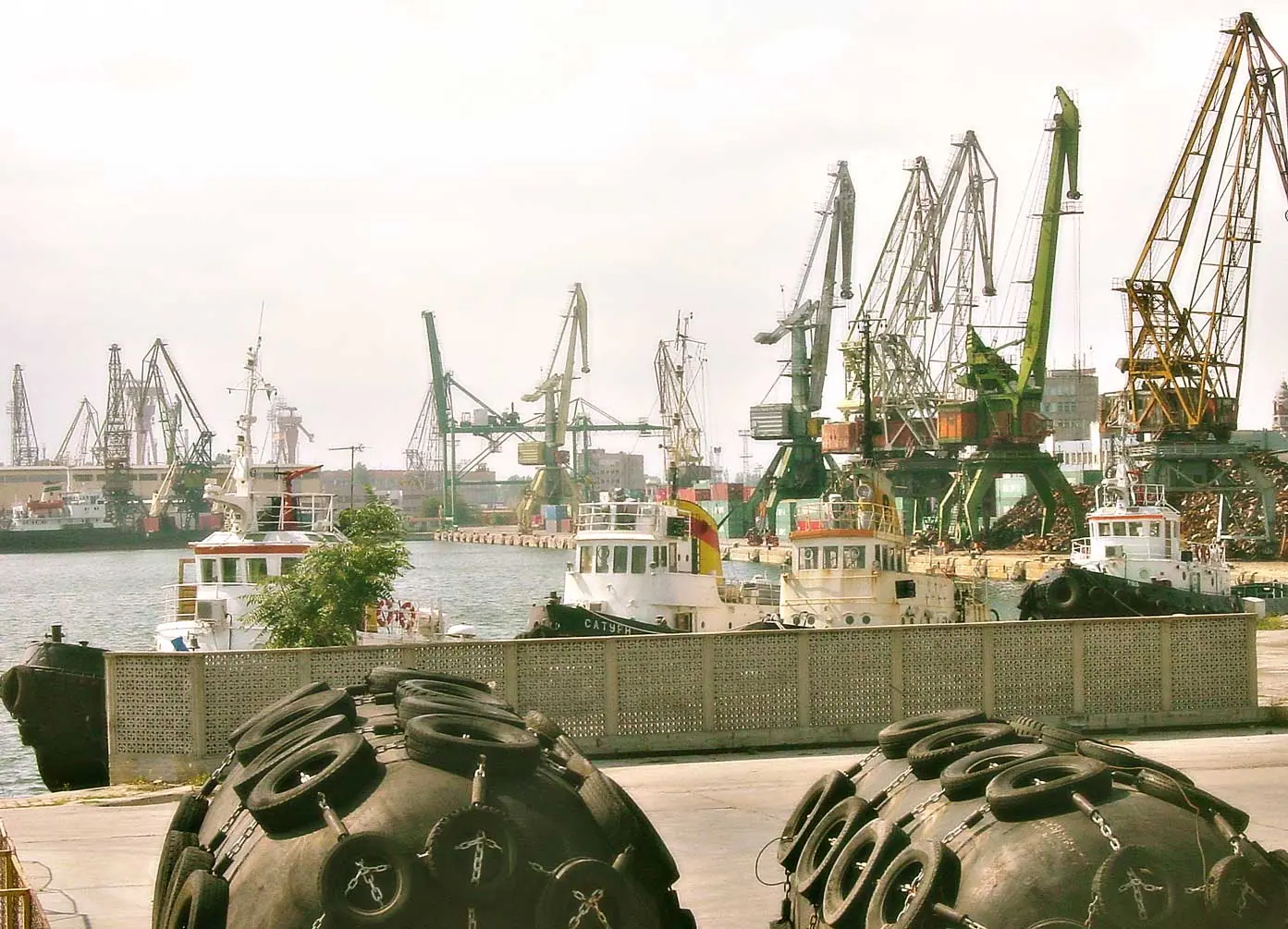
The bank names security incidents in the western Black Sea as a new risk for Bulgaria. They continued at the end of October.
Industry data cited by the bank show that war risk insurance and freight rates, the price of sea transport, have gone up. Higher costs for transport, insurance and imports could push prices up further in Bulgaria, the bank says. For now, there is no solid evidence of a big drop in activity at Bulgaria's main ports.
The draft 2027 budget, which the government presented on 5 November, shows that the cabinet prefers to cut the deficit slowly rather than sharply. KBC expects the deficit to fall from 5.7% of GDP in 2026 to 3.8% in 2027. It forecasts gross government debt at 30.1% of GDP in 2026, up from 29.9% in 2025, and at 33.6% in 2027. The bank's economists say the budget will probably support growth next year too. But they question how fast and how reliably the deficit will shrink under the excessive deficit procedure, the EU mechanism for monitoring countries with large budget shortfalls.
House price growth is expected to slow from an average of 14.6% in 2025 to 11% in 2026 and 6.5% in 2027. Unemployment, by Eurostat's measure, will rise at the end of the year from 3.1% in 2025 to 3.8% in 2026 and 4% of the labour force in 2027. The current account deficit will reach 7.3% of GDP in 2026, after 5.9% in 2025, and fall to 5.8% in 2027.
In its review of Central and Eastern Europe, KBC forecasts the fastest growth for Poland: 3.6% in 2026, 0.4 percentage points above its September estimate, and 3% in 2027, 0.4 points below. Poland's GDP grew 3.5% year on year in the third quarter, against 4.1% in the second, and 0.8% from the previous quarter, the same as before. The analysis says consumer spending, a stable labour market and EU funds are driving growth. Annual inflation in Poland fell to 3.5% in October from 4.1% in September, and the main interest rate stays at 3.75%. Harmonised inflation is expected at 3.2% in 2026 and 3.5% in 2027. The September review put those figures at 3.3% and 3%. The bank expects at least one rate rise of 25 basis points in the first quarter of 2027. It sees the zloty at 4.43 to the euro at the end of 2026 and 4.50 to the euro at the end of the third quarter of 2027.
For Hungary, KBC cut its growth forecast to 1.7% in 2026 from 1.8%, and to 2.2% from 2.4% in 2027. Third-quarter GDP rose 1.5% year on year, below expectations. Analysts say the summer drought hit farming, while industry and household spending held up the economy. Inflation in October was 2% year on year, and 5.2% for services. The main interest rate stays at 5.5%, and the bank does not expect a cut before the end of the year. At the end of 2027 the rate could be 5%, rather than the 4.5% or so in the September forecast.
The draft budget of prime minister Peter Magyar's government plans to cut the deficit from an expected 7.5% of GDP in 2026 to 4.9% in 2027. To do this, it cuts spending by 1.5 trillion forints, stops spending programmes aimed at winning votes before the election, and brings in new taxes on corporate wealth. The analysis says budget discipline and the road map to the euro have raised investor confidence, lowered government bond yields and strengthened the forint, which hit a four-week high against the euro.
For Slovakia, the forecast stays at 0.7% growth in 2026 and 1.2% in 2027. The economy grew 0.06% in the third quarter from the previous one, and the bank says consumer spending and investment kept growth positive. Annual inflation fell to 2.9% in October, the lowest in almost two years, as cheaper public rail and bus tickets offset higher fuel prices. Average harmonised inflation is expected at 3.8% in 2026, against 4.1% in the September estimate, and 3.6% in 2027. Economic confidence has improved, but public finances remain a risk, because the approved 2027 budget largely drops further deficit cuts. The bank expects a deficit of about 5.5% of GDP and debt of roughly 65% of GDP.
For the Czech Republic, the bank cut its 2026 forecast to 1.8% from 1.9% and expects growth to pick up to 2.2% in 2027. The economy grew 1.6% year on year in the third quarter. Household spending was the main support, helped by the labour market and low unemployment, which was 3.1% in September. In November the two-week repo rate was raised by 25 basis points to 4%, to curb inflation expectations before energy prices rise in early 2027. KBC expects gas and electricity prices to jump by double digits then, with pressure from food costs, especially dairy and meat. The base forecast for 2027 inflation is an average of 3.6%, but if gas prices rise again it could reach 4% and call for more rate rises. If core inflation eases gradually, rates will most likely stay where they are, analysts say.




Comments (0)
No comments yet.