
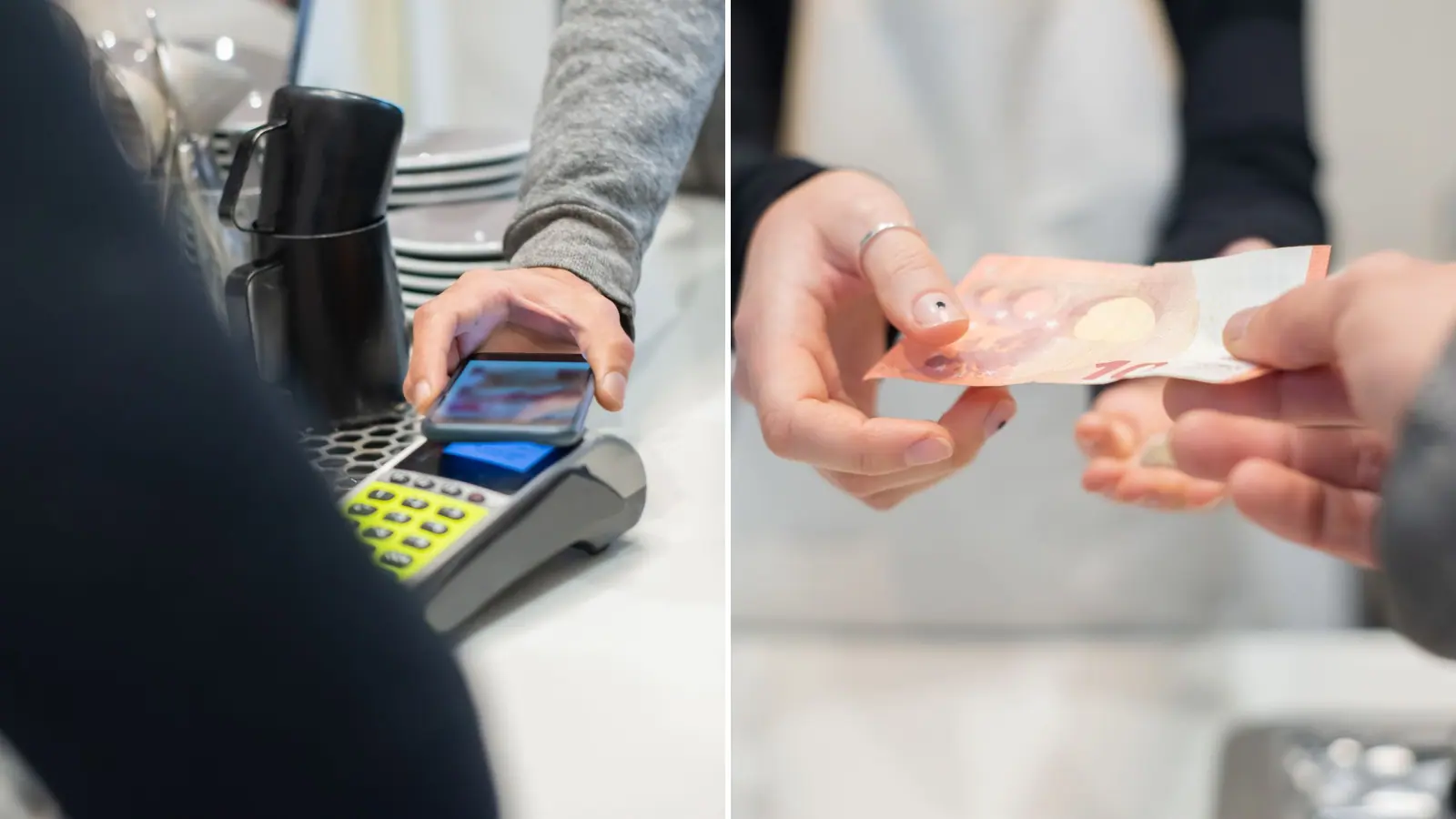
Shoppers in the 20 eurozone countries now pay by card more often than with cash in shops, restaurants and petrol stations, for the first time. That is the finding of a European Central Bank (ECB) survey of how people pay in retail. In 2026, cards were used for 45% of transactions at shops and other sellers, and cash for 44%.
In the last survey, in 2024, it was the other way round: 52% of transactions were in cash and 39% by card. Mobile payments are also growing, from 6% in 2024 to 9% now. The ECB believes the results show more people are using digital payments.
In Bulgaria, cash is still the main way to pay. It makes up 51% of retail transactions, while 37% are by card and 10% by phone, watch or another digital device.
Only Slovenia has a higher share of cash than Bulgaria. There, 58% of transactions were in cash, the most in the eurozone. People pay with cash least often in the Netherlands, at 18%. The share is 36% in France and 51% in Germany.
When counted by the value of purchases rather than their number, cash still comes ahead of cards in 7 of the 21 countries in the survey.
Nearly 44,000 people took part in the survey, which ran from autumn 2025 to spring 2026. Some 54% of consumers prefer a card or mobile device, and 22% prefer cash. About 82% of those asked say it is important to be able to pay digitally, while 62% want to keep the option of paying in cash. In the past 12 months, 5% of respondents lost money to fraud.
The ECB says it will protect access to cash. "What really matters to Europeans is being able to choose," Piero Cipollone, a member of the ECB's Executive Board, writes in the foreword to the survey.
The bank is still working on the digital euro, electronic money that will sit alongside banknotes and coins. Cipollone says it will give the eurozone "common rules, including for its acceptance in shops". He believes it will also help private payment systems such as the new European Wero, an alternative to the US Visa, Mastercard and PayPal.

Comments (0)
No comments yet.