
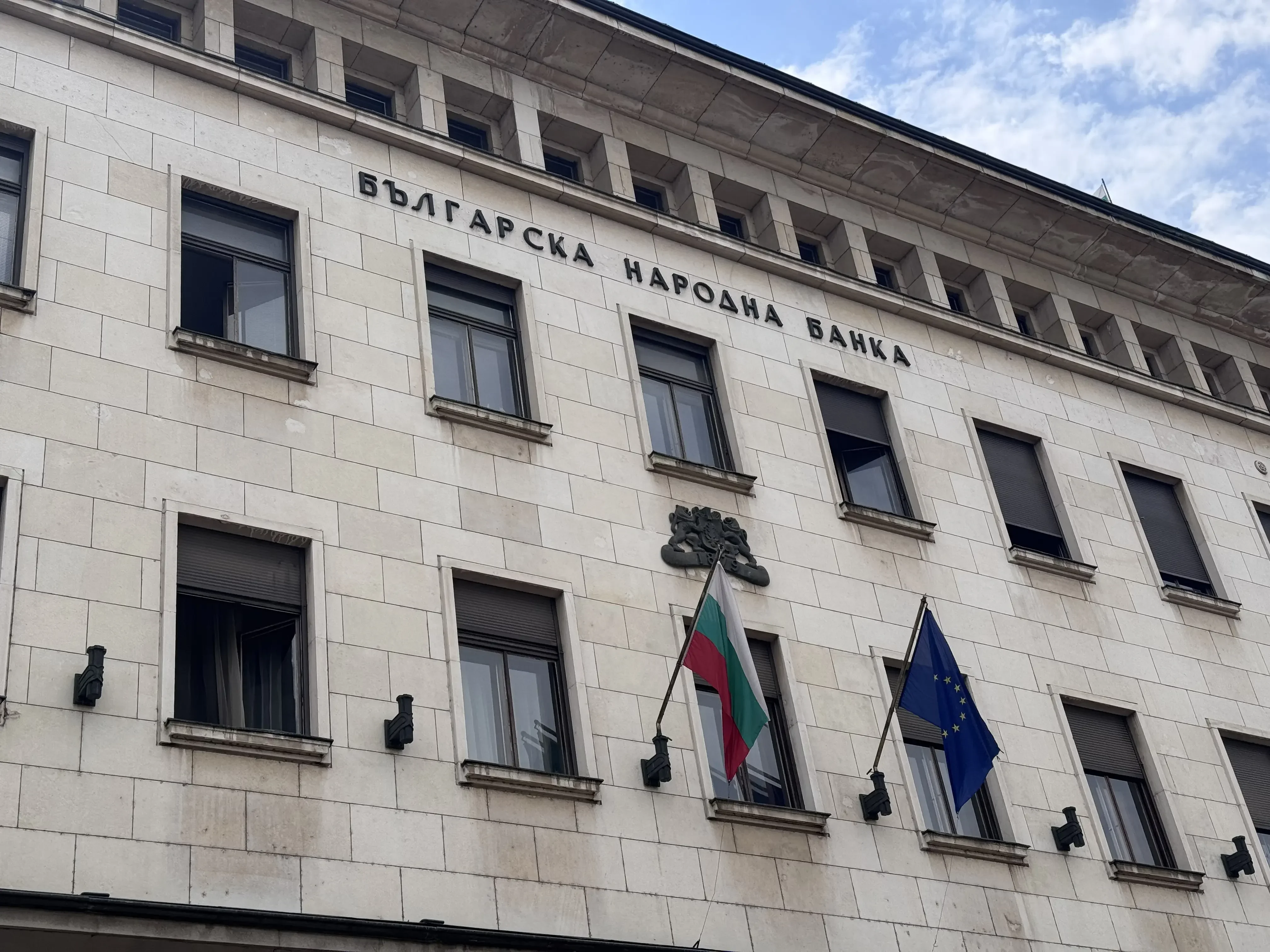
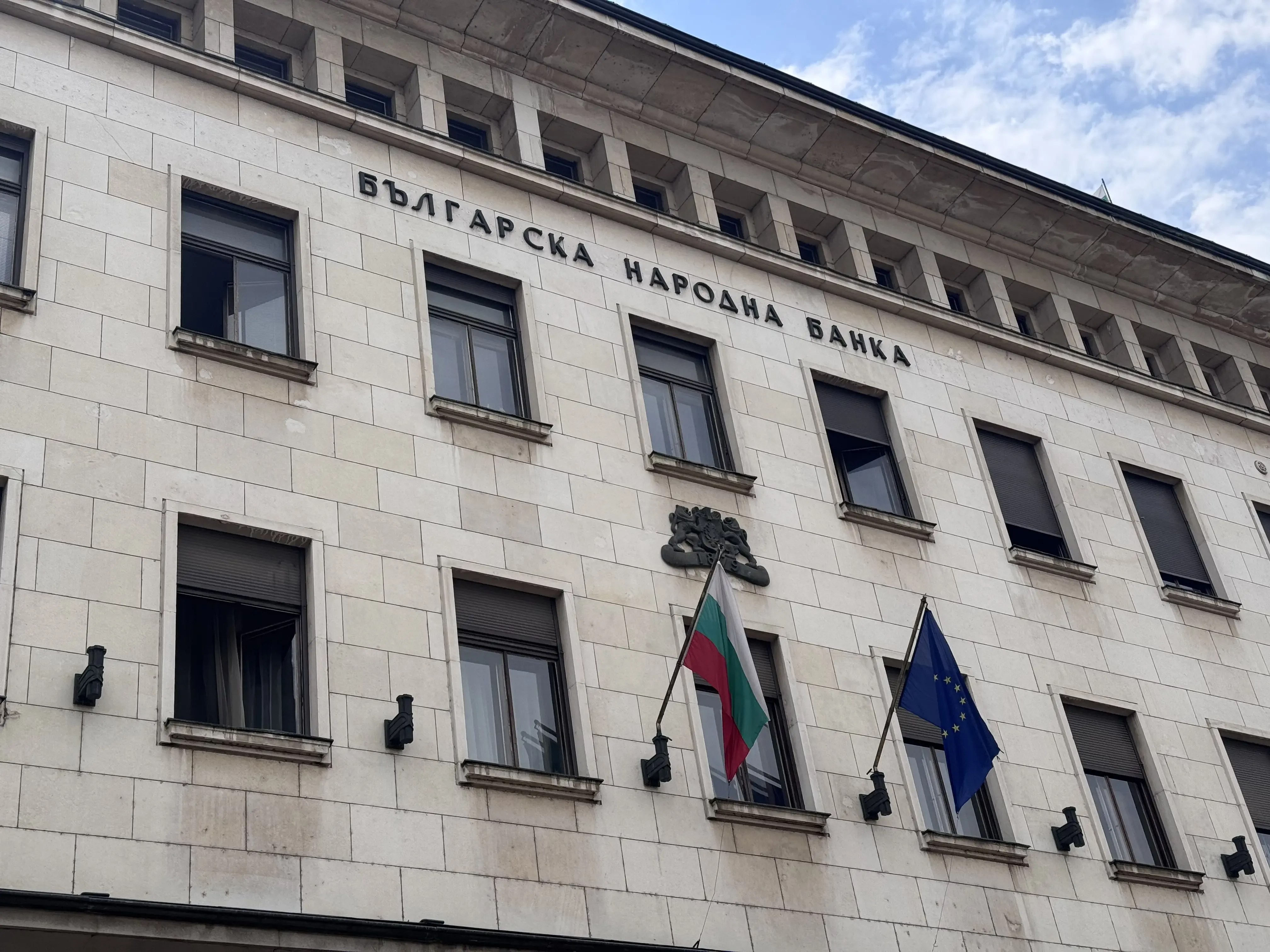
After a year of relative price stabilization, inflation in Bulgaria is picking up speed again, and a number of economists are warning that the worst is yet to come. Data for the first months of 2026 show a sharp acceleration in price growth, while official forecasts remain relatively moderate, fueling concerns that the real inflationary pressure is being underestimated.
Official forecasts look "calm," but risks are growing
According to the spring macroeconomic forecasts of European and local institutions, the Bulgarian economy is expected to grow by about 2% in 2026, with inflation gradually stabilizing around 4–4.5% annually.
The Bulgarian National Bank, in its latest "Economic Review," points to a baseline scenario in which annual inflation at the end of 2026 reaches about 4%, and average annual inflation – about 3.7%, with a smooth deceleration towards 2027–2028.
At the same time, in alternative – adverse and severely adverse – scenarios, the central bank itself admits that inflation could prove to be significantly higher – by over 1 percentage point in 2026 and by over 3 percentage points in 2027 compared to the baseline scenario, if external shocks and secondary effects along supply chains intensify.
An analysis by an independent research center on inflation trends also emphasizes that the consolidated forecast of official institutions for 2026 is "at high risk of being exceeded," which confirms the feeling of businesses and households that prices are rising faster than expected.
Statistics show a sharper acceleration than expected
The latest data from the National Statistical Institute paint an alarming picture: after a period of deceleration in 2025, inflation is accelerating again, with flash estimates for April 2026 showing annual price growth of over 7% – compared to about 4% a month earlier.
Preliminary Eurostat estimates for the same period place Bulgaria at the top of the negative ranking for price growth in the Eurozone, with annual inflation above 6%, while the average for the currency union remains significantly lower.
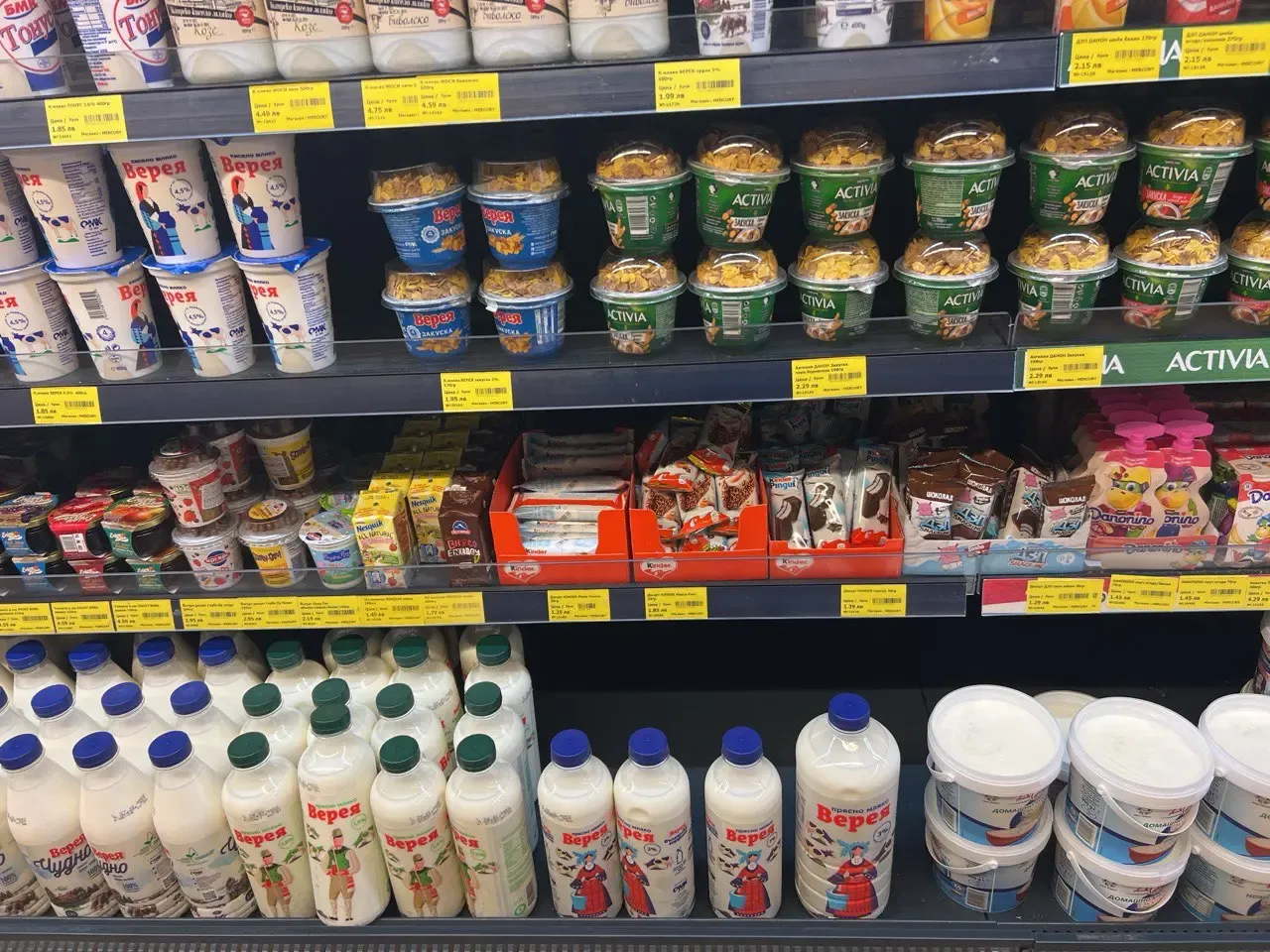
The structure of the price increases is particularly telling: the fastest growth is recorded in "Transport," "Clothing and footwear," and "Food and non-alcoholic beverages," which directly hits the daily budget of households. In transport, the monthly growth exceeds 10%, in clothing and footwear – nearly 8%, and in food – over 2%.
The data also show an acceleration in so-called core inflation – for goods and services excluding energy and food, which suggests that the inflationary process is already "baked in" deeper into the economy and will not be exhausted just by the fading of energy and external shocks.
Economists: "Higher inflation in 2026 is almost certain"
More and more economists are warning that official scenarios for moderate price increases may prove too optimistic. In television interviews and analyses, a consensus is emerging that inflation in 2026 will be higher than in 2025, especially in the food and services segments.
Economist Vladimir Sirkarov, for example, emphasizes that "we have a serious rise in prices" in our country, with "foodstuffs being the most key," and strong inflationary pressure is already being observed along the lines of "restaurants and tourism." According to him, even a short-lived "lull" at the beginning of the year does not change the trend toward higher inflation in 2026 compared to the previous year.
Other experts are even more categorical and speak of a "painful revelation" – that real inflation may turn out higher than officially presented. They note that households feel a significantly stronger rise in the prices of food, services, and rent than aggregated indices show, and "there is no way for the entire population to be compensated for the jump in prices."
The Fiscal Council and other expert bodies are also warning of the risk of a scenario with "higher inflation and weaker growth" – i.e., real stagflation. In a pessimistic scenario, economic growth could shrink to about 1% for the year, while inflation exceeds 5%, which would simultaneously hit incomes, employment, and public finances.
Factors that will push prices upward
The main drivers of the future acceleration of inflation in Bulgaria are several, and most of them are already in effect.
First, the external environment remains extremely unstable: the energy shock provoked by the ongoing conflict in the Middle East continues to keep fuel prices and transport costs high. This directly transfers to the final prices of goods and services in our country.
Second, domestic demand is strengthening against the backdrop of increased wages, labor shortages, and rising labor costs. Businesses are passing a significant portion of these costs on to consumers, especially in the "restaurants, hotels, and tourism" sectors, where margins were compressed in recent years.
Third, changes in the social security burden and tax adjustments are pending, which, according to financial analysts, will have an additional inflationary effect, especially if combined with higher administratively determined prices (fees, services, utility costs).
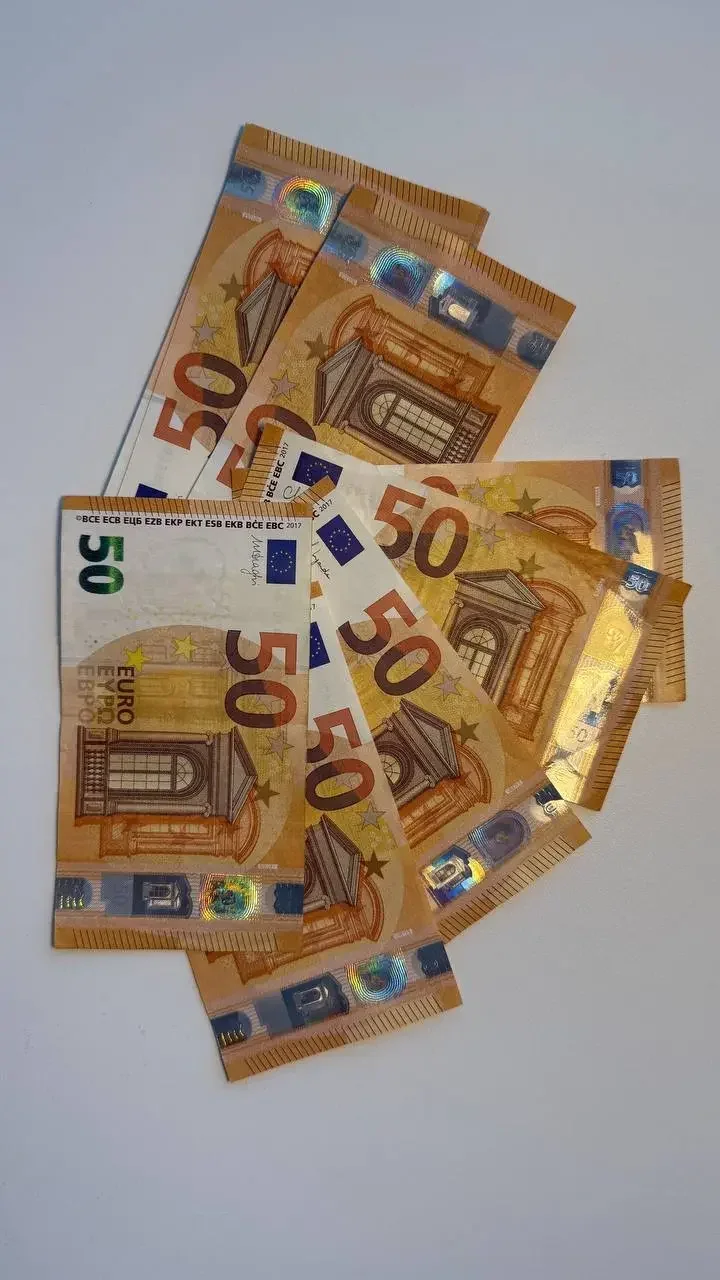
Fourth, the effect of the introduction of the euro – although officially estimated at "only" 0.3–0.4 percentage points – may prove stronger on a psychological level. Historical experience from other countries shows that part of the business sector uses such transitions to "round up" prices.
What accelerated inflation means for households and businesses
For households, accelerated inflation means real impoverishment if incomes fail to keep up with price growth. Vulnerable groups are the most strongly affected – pensioners, low-income workers, and large families, for whom the costs of food, transport, and housing take up the main part of the budget.
The rise in food and service prices "eats away" at savings and calls into question the ability of households to service loans, especially in the event of a possible rise in interest rates if the European Central Bank continues tightening monetary policy.
For businesses, higher inflation means greater uncertainty in planning, higher costs for raw materials, energy, and labor, as well as greater pressure on prices for end customers. Small and medium-sized enterprises are particularly vulnerable, as they have limited access to financing and find it harder to pass costs on to the client without losing market share.
In macroeconomic terms, the combination of slowing growth and accelerating inflation can lead to lower investments, weaker consumption, and a risk of a more prolonged period of stagflation, in which the standard of living of the population erodes and social tension increases.
Are there tools to control inflation?
Economists are relatively united that there are solutions against inflation, but "there is no one to implement them consistently enough." Among the key measures are stricter fiscal discipline, limiting low-efficiency spending, and better targeting of social benefits.
It is also necessary to improve the competitive environment – especially in sectors with high regulatory pressure and a limited number of players, where the risk of cartel practices and "quiet" price hikes is greater.
From a monetary point of view, the task is complex: Bulgaria is in a currency board and does not have an independent interest rate policy, largely following the course of the European Central Bank. This means that the tools for fighting inflation are concentrated primarily in the sphere of the budget, structural reforms, and market supervision.
The question is whether the political system will manage to bear the cost of unpopular measures – from cutting inefficient expenses to stricter control over abuses – before inflation becomes a permanent problem that undermines trust in institutions and the prospects for catching-up development.
You may also like
Against this background, the warning from economists sounds clear: "Inflation in Bulgaria is yet to accelerate if timely and consistent measures are not taken." Otherwise, the country risks returning to a spiral of high prices, low growth, and increasing social tension.
Коментари (96)
Вачев
11.05.2026, 13:12Абе, пак ли?! Сериозно ли? Тоя цирк с инфлацията май няма край! Четох новината и наистина ме е яд... не на икономистите, че предупреждават - те си вършат работата, а на това положение изобщо. 🤙
Луд_Софиянец
11.05.2026, 13:16абе вачев, брат, ясно е! яд ни е на всички... ама кво да праим? нашите "гении" си гледат кефа, а
0E19E3
11.05.2026, 13:17Абе Вачев, какво става с тия цени бе?! Дали
ffyrdcx664
11.05.2026, 13:32Пак ли? Къде се криехте досега?!
gosho900@eu
11.05.2026, 13:34Абе, ffyrdcx664, кво искаш да кажеш? Явно никой не може да спре тая вуртичка инфлация, аман от новини за пари... Все едно си играеш на рулетка с бюджета всеки месец
Рако
11.05.2026, 13:34Абе, ffyrdcx664, к'ви да бяха, бе човек? Инфлацията е като парцал - я изтупаш за малко, пак се събира прахта. Всеки го знае, че ще има назъване, ама кой да слуша икономистите... те си пишат на хартия, а ние тука реално живеем.
ultra_king550
11.05.2026, 13:35Абе, кво става бе?! Пак ли ни готвят за нещо? Т'ва майстори ще
Yordan15
11.05.2026, 13:35Абе ffyrdcx664, т'ва е... наистина. Явно с тия кризи все още не сме се измъкнали. Ама я гледай какво - да не си мислиш, че само ние страдаме! Цяла Европа има проблеми, ама поне там имат по-стабилни институции и опит да се справят. Ние тук… абе видял си го.
super_boss63
11.05.2026, 13:35Абе, ffyrdcx664, хайде де! Къде се криехме ние? Честно казано, все едно си живеем в каруца, която постоянно забива в дупки! Икономистите винаги са били такива – да предскажат лошото, ама какво правят да го спрат?! Да не би да има някаква връзка с тия руски газови манипулации и дестабилизация на европейската енергетика? 🤔
Georgi6
11.05.2026, 13:36Абе, ffyrdcx664, кво значи "къде се криехте"? Инфлацията си е инфлация, брато! Я
908306CCF6
11.05.2026, 13:37Абе, ffyrdcx664, ама вие сякаш очаквахте да си
dark_master327
11.05.2026, 13:37Ама бре, наистина ли пак ли?! 😅 Тоя живот все едно караме с ръчна скорост по нанадолнище… А
Georgi26
11.05.2026, 13:37Абе... пак ли? Честно казано, малко ме е яд. Не разбирам как може да сме толкова циклично в едно положение. Икономисти все нещо намират да ни плашат, а ние – какво? Да се стегнем и да чакаме лошите новини? Дали наистина има някаква светлина
Стелов
11.05.2026, 13:50Абе, сериозно ли сега? До кога ще се мъчим с тия инфлации?! Не може ли да си гледаме
super_wolf
11.05.2026, 13:51Ами да, верно е... Явно още няма край с тия цени. Дано поне да не стане супер яко, ама май ще трябва да свикваме. Трябва да се стегнем като държава, че мн зор видим напоследък. 😜
Честит_Софиянец
11.05.2026, 13:52Абе, Стелов, ясно е че се мъчим! К'во друго да очакваме с тия руски газове на цени, дето ни изцеждат държавата? Все тая кой к'вото говори за 2026-2027. Важното е да си гледаме работата и да се надяваме Европа да
Честит_Бургазлия
11.05.2026, 13:57Аааа, пак ли инфлация?! Честно казано, малко ме е страх да гледам какво ще стане... Да видим как са ни подготвени от правителството за тия 2026-2027 години дето ги гонят. Надявам се да не стигнем до някакви луди цени и хората да не могат да си ку 😜
C1FA9710
11.05.2026, 13:58абе, сериозно ли? и кво да правим сега - да си бачкаме повече за по-ма
Vasil45
11.05.2026, 14:02Абе, Честит_Бургазлия, наистина ли сме обречени да танцуваме на една и съща инфлационна мелодия?! И докога ще чакаме "подготвка" от правителството? Нали помните какво стана с другите прогнози, а? 2026-2027... звучи все едно някой се опитва да ни плаши предварително. Защо не видим как можем да използваме
wxeot467
11.05.2026, 14:19Абе, хора, наистина ли трябва да си го изживяваме това пак? Чета за инфлацията и все едно гледам един стар филм, дето се повтаря... Защо винаги ни удрят точно когато си помислим, че нещата вървят към по-добро?
runfcr146
11.05.2026, 14:22Пак ли?! 😡 Не може сериозно! Пак да ни ядат мама с тия инфлации... И какво чакаме, бе? Дали Русия пак има пръст в тия чор
Честит_Патриот
11.05.2026, 14:49абе, я да видим... 2026-2027? дано не е баш то
pro_tiger614
11.05.2026, 14:50Абе, Честит_Патриот, братче, направо ме уплаши с "дано не е баш то"! Ама хайде да си го кажем - инфлацията винаги е проблем, особено за нас българите. Трябва да се вземат мерки СЕГА! Да не чакаме 2026-а и
Petar71
11.05.2026, 15:21Ех, пич... пак ли? Ясно е, че нещо ще се олякосави, ама до 202 😜
bg510@eu
11.05.2026, 15:23абе, petar71, "олякосави" е малко 😜
Честит_Бургазлия
11.05.2026, 15:26абе, петар71, "олякосави" ще кажеш ли как?! хаха! този петър иванов все едно да казва, че дъждът ще вали нагоре. 🤦♂️ аз съм притеснен и не само аз. до 2026-та... брех, хора, дотогава ще сме забравили какво е "нормална" цена за хляб! дано ме
Стар_Софиянец
11.05.2026, 15:41Аааа, пак ли инфлация?! 🤦♂️ СЕРИОЗНО? Аз току що си купих нова риза... сега ще трябва да я заменям за хляб! 😂
dark_hero
11.05.2026, 15:42Стар_Софиянец, хахах, верно е! 😂 Ризата май ще стане скъпо удоволствие скоро. тряб да се стегнем яко, ама пък си мисля, че ако продъл
Дилов
11.05.2026, 15:43Абе хора, наистина ли такава тревожна новина трябва да чета днес? 😔 Ризата на Стар_Софиянеца ме разсмя малко, ама иначе... наистина неприятно е. Да, знам, икономистите винаги нещо предвиждат, но все пак... 2026-2027 година е доста 👎
pesho441@eu
11.05.2026, 15:44Абе, Стар_Софиянец, братле, направо ми скръбят сърцето! Риза за хляб ли? Ама аз току-що си реших да си взема една нова гума за колата – сега ще трябва да я продавам, за да купя мляко на децата, майтап лозе! 🤦♂️
dqem847
11.05.2026, 15:51Еее, пак ли?! 🤦♀️ Добре де, да не се паникьосваме веднага, ама все едно си мислиш - "сега ще мога да си взема нещо", и BAM! Инфлация. Икономистите винаги го предвиждат, нали? 🤔 Явно никой не може да спре този процес... Да видим докъде ще я закарат цените. Важното е държавата да се оправи, да под
26D149A80F
11.05.2026, 15:53Абе, dqem847, т'ва "BAM!" си е точно! 😡 Все едно играем на рулетка с парите ни! Икономисти винаги предвиждат, дааа, ама кво правят за да СТОПИРАТ тая инфлация? Говорят и го говорят… Ама кой ги слуша? Нали така
Рачо
11.05.2026, 16:10и кво сега ще правят хората, а? и без това яко се опънаха финансите… ще оправят ли нещо или
ultra_wolf419
11.05.2026, 16:32Бре, сериозно ли?! 🤦♂️ Пак инфлация? Тва вече май никога няма край. Аз съм напълно съгласен с dqem847 – да не влизаме веднага в паника, ама... да видим какво ще стане.
ivan369@eu
11.05.2026, 16:59Абе пич, кво да кажа... 🤦♂️ Все едно си говорим за проклятие. Надявам се наистина да не стане баш чак до 2027-а, ма то май няма как иначе
mnzzj259
11.05.2026, 17:02Аааа, пичове, баси... 🤦♀️ Добре де, да
pro_angel
11.05.2026, 17:02Ебати, ivan369@eu, верно каза! 🤦♂️ Тоя кьор-софъра с инфлацията никога не свър6ва. Ама да не се сърдим много, нали сме в Европа сега
2BB688
11.05.2026, 17:03Абе, здравейте всички! Видях коментарите ви и си мислех дали наистина сме приключили с инфлацията или просто си правим труда да се залъгваме? И аз съм малко песимист, признавам, особено след последните години. Все пак, не трябва ли да гледаме и на позитивното – членството ни в ЕС и еврозоната са все пак някаква защита срещу най-големите сътресения, които виждаме по света.
fan102@bg
11.05.2026, 17:00абе, май нема край с тия инфлации! 🤦♂️ честно казано, малко ме е яд – все едно си правим смешки с нас хората. дано да се оправи
D798DDDC
11.05.2026, 17:12Абе, наистина ли пак ли?! 🤦♀️ Сега инфлация през 2026-2027? Кага пък ще стихне т'я тая работа? Икономистите все нещо намират да ни плашат... Ясно, Европа има своите проблеми с инфлацията, ама да не прехвърлят и на нас цялата тежест. Ама сериозно, кво
Млад_Патриот
11.05.2026, 17:14Абе, D798DDDC прав си на 100%! Тоя смях е голям! Я 🇧🇬
Georgi10
11.05.2026, 17:15Абе пич, D798DDDC, абсолютно те разбирам! И аз съм яко ядосан като чета такива новини - все едно си забили нож в гърба! 🤦♀️ Нооо... дай малко оптимизъм, моля те! Да, Европа има проблеми, нали така е, ама поне сме част от нея! Поне имаме стабилни правила, закони, защита от някакви по-големи безумия. Виж сега какво се случва със съседите ни - там инфлация, санкции, война... ха
Dimi40
11.05.2026, 17:16Аби, сериозно ли?! До 2027-а ли ще я
pesho611@abv
11.05.2026, 18:22абе хора, честно казано… гледам новините и почвам да се чудя дали изобщо има край на тия проблеми. инфлация, инфлация… все едно си говорим за нещо неизбежно. 🤦♂️
Добър_Граждан
11.05.2026, 18:25Абе, Пешо, неизбежно ли е? Или просто некои си играят на
Млад_Българин
11.05.2026, 19:08абе, хора, кво става с тая инфлация, бе?! викам си аз, леко се оправихме, помалко парички излизат за хляб и олио... а те никви икономисти пак ни готварят! 2026-2027 ли? да не би да са гледали кристални топки или нщо? 🙄
Прав_Граждан
11.05.2026, 19:09Абе, я си го кажи – пак ли нещо от Русия ни тормози?! 🤬
F5B6C5
11.05.2026, 19:11Абе, Млад_Българин, прав си, кът да е майтап работата! Викам си и аз – леко поутихна, че и на пазара малко по-евтино стана, ама виж сега... 2026-2027? Тоя свят изобщо не знам как го предсказват
ultra_boss534
11.05.2026, 19:18Ебати, пак ли?! Сериозно ли? Икономисти... винаги имат нещо да ни плашат! Аман от тия прогнози! 2026-2027? Да си гледат техните сметки!
dark_hero251
11.05.2026, 20:02абе, сериозно ли? до кога ще ни плашат с тия инфлации?! да не почне пак да мирише на руска газ и з
Млад_Реалист
11.05.2026, 20:10Ахах, пак ли? Сериозно ли някой изобщо се изненада?! Честно казано, почвам да вярвам, че тия "икономисти" си пишат прогнозите на пук! Все едно да кажат, че ще вали утре. Аман от песимизма бе хора!
38BD26999D
11.05.2026, 20:14Абе, хахахах, Млад_Реалист, ама ти си майтапчия! Иканомисти да пишат на пук? Да не би да са платени от путлер за да ни плашат? 😂 Сериозно ли чакаш някой да каже "утре ще е пер
Стар_Бургазлия
11.05.2026, 20:12Амя че работа... пак ли? Сериозно, я нямат други теми да пишат ли? Винаги има някаква криза, винаги нещо ще се влоши. Ясно е, че инфлацията си е инфлация, няма как да я спрем на 10
Бошко
11.05.2026, 20:14Абе, кво да го правим сега? Да купуваме долари ли, бе хора?
pro_tiger674
11.05.2026, 20:16абе, сериозно ли сте, хора?! как може да се оплакваме все па 😡
Добър_Бургазлия
11.05.2026, 20:31абе, пичове, к'во да ви кажа... пак ли
Млад_Граждан
11.05.2026, 20:32Абе, Добър_Бургазлия, прав си човече, пак ли… ама да не се отчайваме толкова! Да, инфлацията е гадна работа, кой я обича? Но все пак трябва да гледаме и на добрата страна – ние сме част от Европейския съюз, имаме стабилност, която други държави само могат да мечтаят за. Виж какво става в Русия - там инфлация, санкции, нестабилност... тотална лудница! Ние поне се справяме, макар и трудно.
Луд_Софиянец
11.05.2026, 22:51Пак ли? 🤦♀️ Да, неприятна новина... но все пак трябва да сме позитивни. Важното
029F01348F
11.05.2026, 22:58Еее, пак ли ще ни горят ядове? Да видим докъде ще го докарат... Не е хуба
Georgi76
11.05.2026, 22:59Ама наистина ли?! Тъжно е... важното е да се опитаме да
Georgi27
11.05.2026, 23:19аааа, господи! пак ли инфлация? да сте здрави всички! сега ще ни изяде пак народа, като никой не обръща внимание. и кво да правим? парите ги няма, заплатите са смешни, а цените растат...
Истински_Бургазлия
11.05.2026, 23:23Абе, Георги, верно каза – яко е зле… ама кво да праим? Европа си върви напред, инвестициите идват (по
bg444@gmail
12.05.2026, 00:22Абе, а си мислех, че ще има малко мир... ама
fan20@mail
12.05.2026, 00:24Абе, bg444, "малко мир"... кажи ми ти къде видяхме "мир" в тая държава?! Аз лично си мисля, че икономистите просто се опитват да ни подготвят психически за още една порция гръмки думи и празни обещания. 2026-а? Че то дотогава може да сме си намерили нов континент
Истински_Бургазлия
12.05.2026, 00:23ей, хора, ама че сериал! паk инфлация ли?! няма ли край тая работа бе?! 😩 икономистите го знаят, народа го усеща - цените скачат яко! аз лично си свивам бюджета всеки месец и все по-малко ми остава. дано не стане нещо сериозно, че наистина ще е трудно... ама да не се отчайваме, важното е да гледаме напред и да се надяваме на добро. българия 🤬
5F16EB88
12.05.2026, 01:01абе, сериозно ли? 2026-2027?! значи да си приготвим бюджета за следващите наколко години да
gosho940@mail
12.05.2026, 01:05абе, вапроса е: наистина ли толкова далеч ще го отнесът? 2026-2027... сякаш сега не ни е лесно! дали някой изобщо слуша какво говорят икономистите или си гледат само техните "схеми"? ама хайде, дано европа да ни помогне малко, че да
Ванов
12.05.2026, 01:23ама наистина ЛИ?! 2026-2027?! леле мале, значи да си купя лопата и да започвам да копая злато, че пари няма да останат! 😂
gosho805@mail
12.05.2026, 02:00Абе, хора, сериозно ли? Честно казано, малко ме е яд. Пак ли инфлация?! Току-що си помислих, че може би ще се оправим... все пак имаше някаква стабилност нали? 2026-2027 година... много време е, но и много не
rtzchg230
12.05.2026, 02:04Абе, Gosho, наистина ли?! Пак ли ще се връщаме КЪМ стари проблеми? Да не е някой отвън, дето нарочно ни тормози, а? Все пак
Добър_Човек
12.05.2026, 02:18Пак ли?! Сериозно, наистина ли трябва да си говорим за инфлация ПРЕЗ 2026-та?
avtk532
12.05.2026, 02:49ееее, пак ли?! 🤦♂️ тая инфлация май е като нашият футбол – вечно разочарование! 2026-2027? дано
36019C4F
12.05.2026, 02:52Абе, тва значи ли, че пак ще ни мачкат тия от
xtamws474
12.05.2026, 02:52абе, avtk532, брато, направо си прав! футбола все тая, поне като загубим - има за какво да се ядосаме, а инфлацията... тя просто ни изяжда бавно и мъчително бюджета. 🤦♂️ "дано" е малко казано, братче! дано да намерят някой
Честит_Реалист
12.05.2026, 03:31Абе хора, успокойте се малко! 😅 Разбирам разочарованието, наистина. И аз съм притеснен, ама пак ще го кажа - България е част от Европа, а Европа си гледа интересите. Инфлацията е световен проблем, не е само наш. Видяхте какво става с цените навсякъде, нали
Vasil54
12.05.2026, 03:40Абе, пичове… хахха! Сериозно ли сега?! Четох новината и ми стана малко кофти в гърлото. 2026-2027? Това значи, че внуците ми ще трябва да си купуват хляб с кредити...
F2F3A38F
12.05.2026, 03:50Еееееее! Какво става с тая държава, бе?! 2026-2027 година ли?! Сериозно ли някой смята, че ще сме по-добре тогава? Абе кой да работи като всичко оскъпява все повече и повече?! И да не ми говорите за "световен проблем", защото Европа се справя, а ние тук си ги ядем! Какво
super_king
12.05.2026, 03:54абе, как така 2026-2027?! да не им е ста
Истински_Граждан
12.05.2026, 03:52ииии, чакай малко... до 2027 ли ще се задълбочава?! как
Стар_Бургазлия
12.05.2026, 04:22Абе, хора, да си го кажем - тая инфлация май е като руската пропаганда - все се завръща! 😠
6BED685C54
12.05.2026, 05:50абе, пич, сериозно ли?! 🤦♀️ тая инфлация май няма край! да видим сега – европа си върви напред, инвестициите идват, инфраструктурата се оправя… а ние? ами ние ще си гледаме как цените газят всички ни
DE575AF7
12.05.2026, 05:54Ама верно бе, 6BED685C54, голям зор! Затова трябва да се над
mega_king252
12.05.2026, 05:51Ама наистина ли?! Какво правим сега, бе?! Трябва ни стабилна политика от ЕС за да се оправим,
Мислав
12.05.2026, 05:54Абе, mega_king252, да, наистина яко е положението. Но стабилна политика
fan336@mail
12.05.2026, 07:17Абе, пичове, к'во да кажа... Пак ли? 🤦♂️ Ясно е, че парите ни бягат като от дявол на амнестия! Дано поне еврото помага малко да се озо
C41078ACC1
12.05.2026, 07:31Ех, пак ли... Ясно е, че с тия кризи все тая работа. Дано европа ни държи
Стар_Реалист
12.05.2026, 07:33абе, "европа ни държи"? сериозно ли чакаме да ни
Dimi65
12.05.2026, 07:31Ей хора, четох коментарите и ме е яд... ама наистина! Да не се заблуждаваме – инфлацията е глобален проблем, но България винаги е била първа клета, нали? Винаги хващаме най-лошото. 💩
00CF688A70
12.05.2026, 09:11Абе, хора, пичове, малиии... Сериозно ли? Инфлацията пак?! 🤯 След като си мислехме, че може би малко ще се оправим, сега ни казват, че тепърва ще става по-зле?! Как е възможно изобщо?! 🤔
Прав_Патриот
12.05.2026, 09:58абе, баси... икономистите казват каквото искат, знам аз. винаги е било така - все нещо лошо предричат. ама поне сме в европа, там се движат нещата малко по-стабилно. дано да няма голям зор и да успеем да изкараме пак някак си. трябва да гледаме напред, какво да правим... все нещо ще измислим.
Истински_Реалист
12.05.2026, 10:12Бре хора, сериозно?! Отново ли инфлация? 🤦♀️ Преди малко си казахме "аха, май се орязахме", а сега – бам! Палим по-сериозно надолу. Наистина е яко колко бързо се променят нещата.
Лош_Бургазлия
12.05.2026, 10:28Абе, наистина ли? 😩 Ще има ли пак инфлация?! Ами еврофондовете, ами стабилността, която си търсим с ЕС? Дано да се справят
bg766@mail
12.05.2026, 12:00мамка му! 🤦♂️ още инфлация ли? сериозно ли някой слуша тия икономисти
Добър_Софиянец
12.05.2026, 12:02Ееееее, пак ли? 🤦♂️ Сериозно ли това? Пак инфлация, пак да се затяга колана! Абе, стига вече! Толкоз ли е трудно да си поддържаме малко стабилност тука?! Икономисти все говорят, ама кой ги слуша накрая. Важното е да гледаме напред и да не се отчайваме. Трябва да се борим за България
pesho882@eu
12.05.2026, 12:33Пак ли? 🤦♀️ Икономисти казват едно, а случващото се – друго. Аз пък си ми
kuvx609
12.05.2026, 12:50Абе, я да ви кажа аз! Тия икономисти май си играят на гадатели... ама честно ли?! Пак ли инфлация? 🤦♂️ Все едно сме прокълнати! И какво правим тогава, бе хора? Повече ток ще ни режат, повече хляб ще поскъпва