

Fridges in retail chains in 7 European countries may have stopped because of a system fault rather than a hacker attack, Assoc. Prof. Zlatogor Minchev, an expert at the Institute of Information and Communication Technologies at the Bulgarian Academy of Sciences, told BNT. No hacker group has claimed responsibility, and the authorities have not identified those behind it.
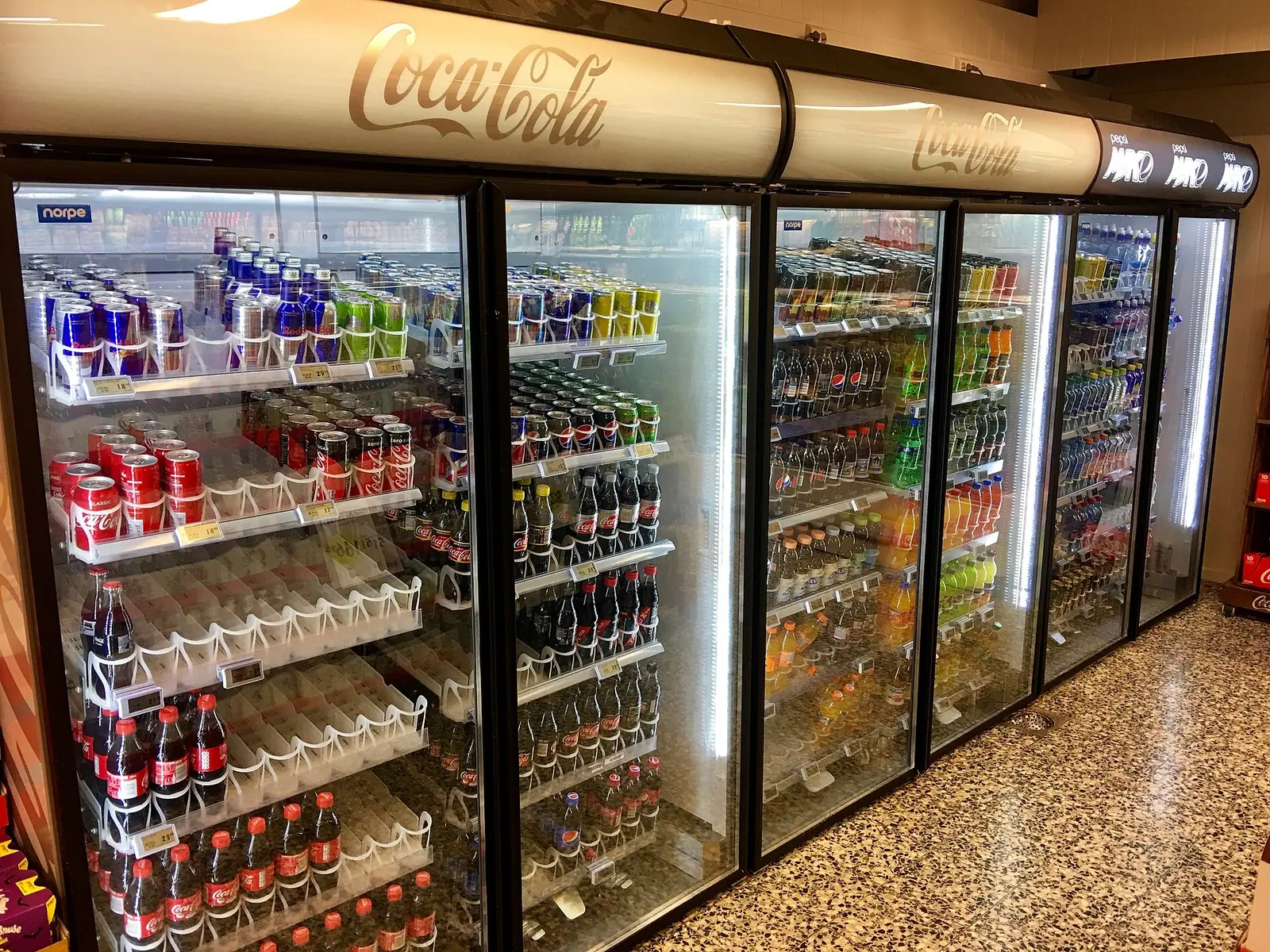
On Monday, chains in Belgium, Luxembourg and Sweden said their refrigerated display cases were thawing and the temperatures inside had reached dangerous levels.
More on this story: Hackers thaw supermarket fridge displays from Belgium to Sweden
Minchev sees several possible explanations: a manufacturing fault, the work of young activists who use artificial intelligence, or a test of how people would react to such a breakdown. "It could also be an experiment to see how society reacts," he said.
He believes the most likely cause is a "zero date" defect, a system error that shows up on a set date.
A real-time map of cyberattacks shows which countries are attacking and which are under attack. On the map, Italy and Spain are the worst hit in Europe, and attacks are under way around the clock.
Smart devices at home also carry a risk, the expert warns. Shops in Bulgaria already sell "bulbs that are smart-controlled and light up, but can also reach your home internet network and from there your computer".
Security cameras can spy for third parties and send out video and sound, and AI tools make it easy to fake recordings, Minchev said. Smart watches are also a big problem, he added, because the new ones do not need the internet.
The more smart devices a home has, the more exposed it is. If devices are controlled remotely and linked to each other so they work automatically, all of them can be turned against their owner. Heating devices are a direct danger to life, but giving them up is not a solution.
Minchev says the answer is stress tests of systems with smart devices before they go on sale, and regular audits. The EU's network and information security directive, NIS 2, requires this, and it is due to be strictly enforced soon.
Until then, the expert advises users to check what data a device collects, whether the maker issues regular updates, and how it responds when security holes are found.



Comments (0)
No comments yet.