
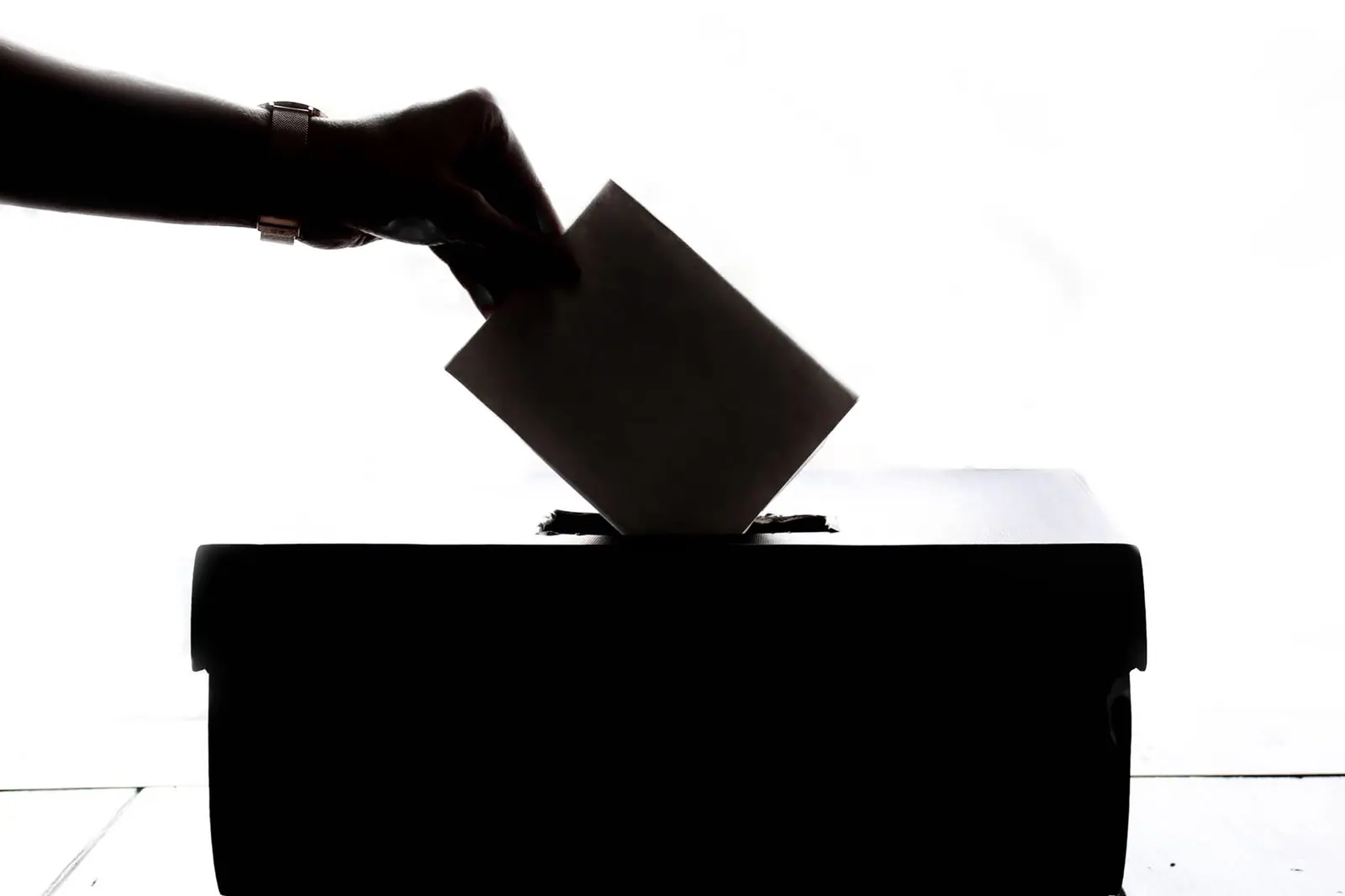
Two voting machines in Burgas broke down on the morning of election day. At polling station 40, the machine could not print the zero report.
Daniela Kodzhabasheva, who chairs the local election commission, told BNT: "It couldn't print the zero report. It gets to number 11 and stops. There is a problem with the adapter."
A technician from Siela Norma said one of the broken machines in Burgas had a card reader that did not work, plus one other technical fault. A woman voter told BNT: "Of course I got angry. How many years have we been trying to change something, and nothing changes!"
Machines also failed in other parts of Bulgaria. In some places printers did not print, card readers did not work, machines would not switch on, or they gave no receipts after voting. Where staff could not fix the fault, polling stations switched to paper ballots so voting could go on.
At polling station 41 in Blagoevgrad, the trouble began with the first voter. The machine did not give him a control receipt. He said he had voted correctly and had not left the slip behind. It simply never came out of the machine. He was also photographed.
The technician from the company that services the machines confirmed the receipt was incomplete, as at previous elections. He said he does not know why, but the vote was counted and the fault lies only in the printing.
At polling station 23 in Sofia, the machine's printer broke and people voted on paper. Snezhanka Stoyneva, who chairs the commission, said there are too many formalities and they must be followed strictly. She said the bulky paper also makes counting somewhat harder.
At polling station 130 in the village of Elena, near Haskovo, the machine's screen did not light up at all. The technician could not repair it, and the commission, chaired by Donka Mladenova, switched to paper ballots.
In the Nadezhda district of Sliven, voters who cannot read or write, not older people, struggled with the machines.
The villages of Svetoslav, Byal Izvor and Putnikovo in Stambolovo municipality lost power on election day. Generators kept voting going there until the fault was fixed. Ina Veskova, who chairs the regional election commission in Haskovo, said each machine has a spare battery that powers it for up to 3 hours.

Comments (0)
No comments yet.