
MPs backed the 2027 budget of the National Health Insurance Fund (NHIF) at first reading. Income and transfers come to €5.68bn, and spending is the same, which is €426.9m (8.1%) more than in this year's law.
The budget committee began debating the draft on 17 November. The fund's supervisory board had looked at it a week earlier.
On 17 November the budget committee began the first reading of the draft, whose largest item is hospital care at over 2.5 billion euro, followed by medicines at over 1.4 billion euro.
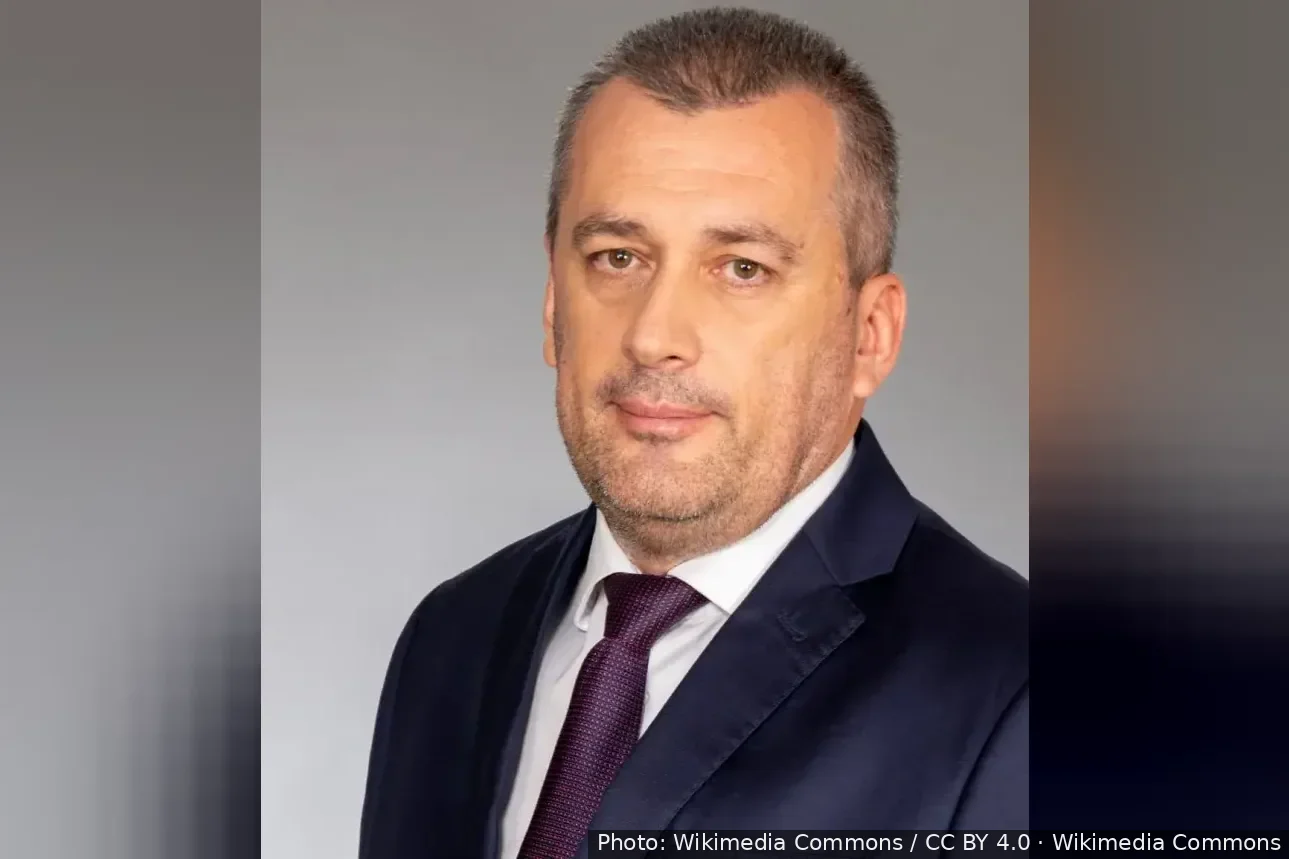
Health minister Katya Ivkova presented the draft in parliament. She said its priorities are prevention, early diagnosis and children's health. NHIF head Dr Vladimir Daskalov also attended the debate.
In all, 125 MPs voted for the draft: those from Progressive Bulgaria and one from We Continue the Change. Sixty voted against: MPs from the DPS, Democratic Bulgaria, We Continue the Change, Vazrazhdane and five from GERB-SDS. All 20 abstentions came from GERB-SDS.
The fund will spend €5.41bn on people's treatment. That is €478.1m, or 9.7%, more than this year.
The fund will collect €5.63bn from health insurance: €3.45bn from contributions and €2.17bn from transfers. Georgi Petrov, an MP from Progressive Bulgaria, said the figures assume contributions stay the same. Each month the health ministry will pay the fund money for services outside compulsory insurance, €32.7m for the year in total.
Hospital care takes the biggest share at €2.531bn, up 8.1%. Of that, €81m is for outpatient procedures for diagnosis or prevention and/or outpatient follow-up care within hospital care. Medicines get €1.454bn (+9%), visits to specialists €384m (+9.3%) and primary outpatient care, which includes the family doctor, €372m. Dental care gets €248m (+7.6%) and medical diagnostics €176m (+5%). Another €147m (+2.3%) is set aside for medical devices in hospitals, and for aids and devices for people with disabilities. Providing medical staff in hospitals costs €36m. Other health insurance payments come to €96m, and €51m of that goes to medical care under social security systems.
Krasimir Sabev of GERB-SDS said the budget is probably a record, but he does not believe it will improve health care. He said there is no figure showing how prevention will get better, and not a single euro for e-health. He called the draft "progressive hopes with small results for Bulgarian citizens" and described the €350 scholarship for young doctors as insulting. His colleague Lachezar Ivanov said that with more money, it remains to be seen whether health services will head in a better direction.
Dzhevdet Chakarov of the DPS said money is being poured into a system with no reforms, and hospital care and medicines again outweigh care outside hospitals. Medicines take 26%, against 13% to 20% in the EU. The DPS wants primary and specialist outpatient care to get more. Levent Apti said the share of uninsured people stays high and there are no concrete steps to cut it, which hits patients and medics directly. He said the spending side has no real reforms, and medics' pay is tied to whether the system can keep its staff.
Alexander Simidchiev of Democratic Bulgaria said his party will not back the draft because it has no dedicated funding for nurses. He said that next year the fund will have about €5bn from people's contributions, and it matters what they get in return.
Nikolay Denkov of We Continue the Change said the services are the same, with small shifts, but cost €427m more. He accused the health ministry and the ruling majority of two manipulations. The first is the claim that prevention and screening are priorities, when money for them rises by more than 25%. The second is the claim that something real is being done for staff, including young staff, even though Bulgaria lacks more than 17,000 nurses and leads in the number of hospital beds. His party colleague Asen Vasilev said they do not want less money for hospitals. They propose, for example, that 2% of the increase stays with hospitals and the rest goes to care outside hospitals. Hospitals in remote areas, he added, have special funds for pay.
Dimo Drenchev of Vazrazhdane said a lot of money goes to health care, and said he does not believe Bulgaria's hospital beds are 99.8% full. He told minister Ivkova and Dr Daskalov: "But you do not dare to stand up to the mafia in health care." His party colleague Georgi Georgiev said the rise will change nothing for people, co-payments will not fall and higher pay for hospital medics is not guaranteed, while €1.02bn (2bn leva) is again poured into private hospitals. He said one positive step is the introduction of a weighted average price for cancer drugs, which should cut abuse.
Georgi Petrov replied that the aim is to bring spending on care outside hospitals level with hospital care. Money will go to care outside hospitals and prevention until funding reaches average European levels. He said hospital care includes about €82m for outpatient procedures that the ruling majority wants to move to care outside hospitals, and for the first time there is €30m in targeted aid for young doctors and nurses. Petrov said a system that has fed a group of oligarchs for years will not be reformed in a year, and that the budget is a lever for reform but not a reform in itself.
A second reading is still to come. Between the two readings, Democratic Bulgaria will propose a fix for cases where the fund's money runs out while a child needs treatment. Elisaveta Belobradova said the budget must say who is responsible then, because the NHIF head has no such powers. She asked where the state guarantee is that treatment will not be cut off.



Comments (0)
No comments yet.