

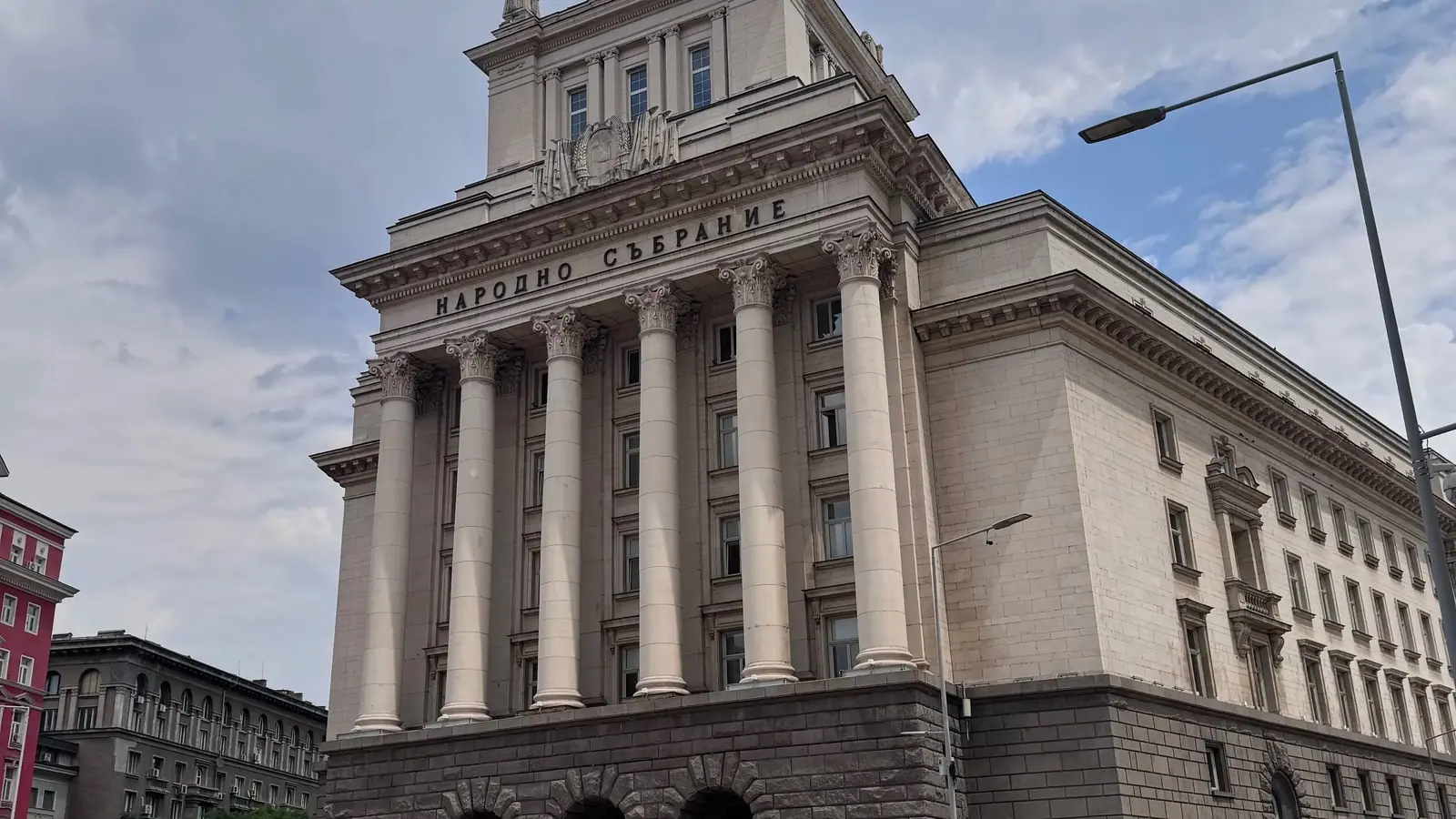
A parliamentary committee on regional policy, public works and local government backed the 2027 state budget bill at first reading. Twelve MPs voted for it, 7 against and one abstained. Under the draft, the regional development ministry will spend €1.210bn and take in €832m.
Zheni Nacheva, head of the municipal finance directorate at the finance ministry, presented the budget. Regional development minister Ivan Shishkov also attended. He said €65m is set aside for design work next year, against an average of €3-5m in past years. Shishkov called the plan a "crash design programme" for every major motorway route that has no ready project. The aim is to let the state draw in investors through public-private partnerships.
A concept design and a detailed development plan will be drawn up for the Black Sea motorway, the Petrohan tunnel, the Montana-Sofia link and the Rila motorway. The Rila motorway is meant to join the Hemus, Trakia and Struma motorways.
Three projects will be paid for straight from the budget, with commitments over several years: the Sofia ring road, the Plovdiv ring road and the repair of the Asparuhov Bridge in Varna. On national roads, the ministry will spend less on routine repairs and upkeep, which Shishkov said does not guarantee quality. It will spend more on design, major repairs of roads in poor condition and bypasses around towns.
Hemus stays a priority until 2029, but the budget holds little money for the motorway. The minister said the firms still have to work off the advances they received. Talks with them are not finished, because what the builders expect and what the state can afford do not match. By law, price indexation and contract amendments can reach up to 50% of a contract's value, and the ministry will not break that limit.
The ministry wants payment spread over at least 5 years, backdated. In a few months it will be clear whether the firms agree to keep working. If they do not, the state will demand the advances back, and the rest of the motorway will go into a joint public-private partnership package with the Petrohan tunnel.
On Struma and the link to Gyueshevo, work continues on the Kresna bypass. The money for it is in the motorway's budget, and the goal is to finish the bypass in 2027. For the route through the gorge, the detailed development plans and land purchases are being completed, so that builders can also start on the last section. The contract for the Bansko road junction has been signed. The development plan still needs approval before building starts.
Stela Nikolova of Democratic Bulgaria criticised the municipal investment programme. Shishkov replied that towns will get all the money they have earned and are owed for the year. He said payments are late not for lack of money, but because mayors held back from taking on commitments for a while, as they did not know whether the programme would go on. The minister promised that all agreed projects will be finished and paid for.
Temenuzhka Petkova of GERB-SDS asked about the €1bn gap between the ministry's limits and its estimates. Shishkov explained that the ministry first asked for commitments of up to €2.5bn, because big projects must start in 2027, first of all the Sofia ring road. The committee's deputy chair, Kosta Stoyanov, asked about the same limit for long-term commitments. The minister answered that part of the money will go on new multi-year road maintenance contracts in spring 2027, as current contracts in some areas cover only winter upkeep.
Nikolay Nankov of GERB-SDS criticised the shortage of money for roads in northern Bulgaria and the split of funds between the north and the south. Shishkov said large-scale building cannot be planned there. For the Vratsa bypass and the Vratsa-Montana road, there are no approved development plans and no finished environmental impact assessments. He said EU funds can be sought for these sections. He added that the previous government did not do this work for the Vidin-Montana section, so that it could award the construction directly.
Yordan Terziyski of We Continue the Change criticised the lack of lists of specific projects. He called the budget a sign of "regional stagnation and regress". Shishkov replied that the ministry has a detailed estimate and a list of all planned projects, and will give them to the committee.



Comments (0)
No comments yet.