
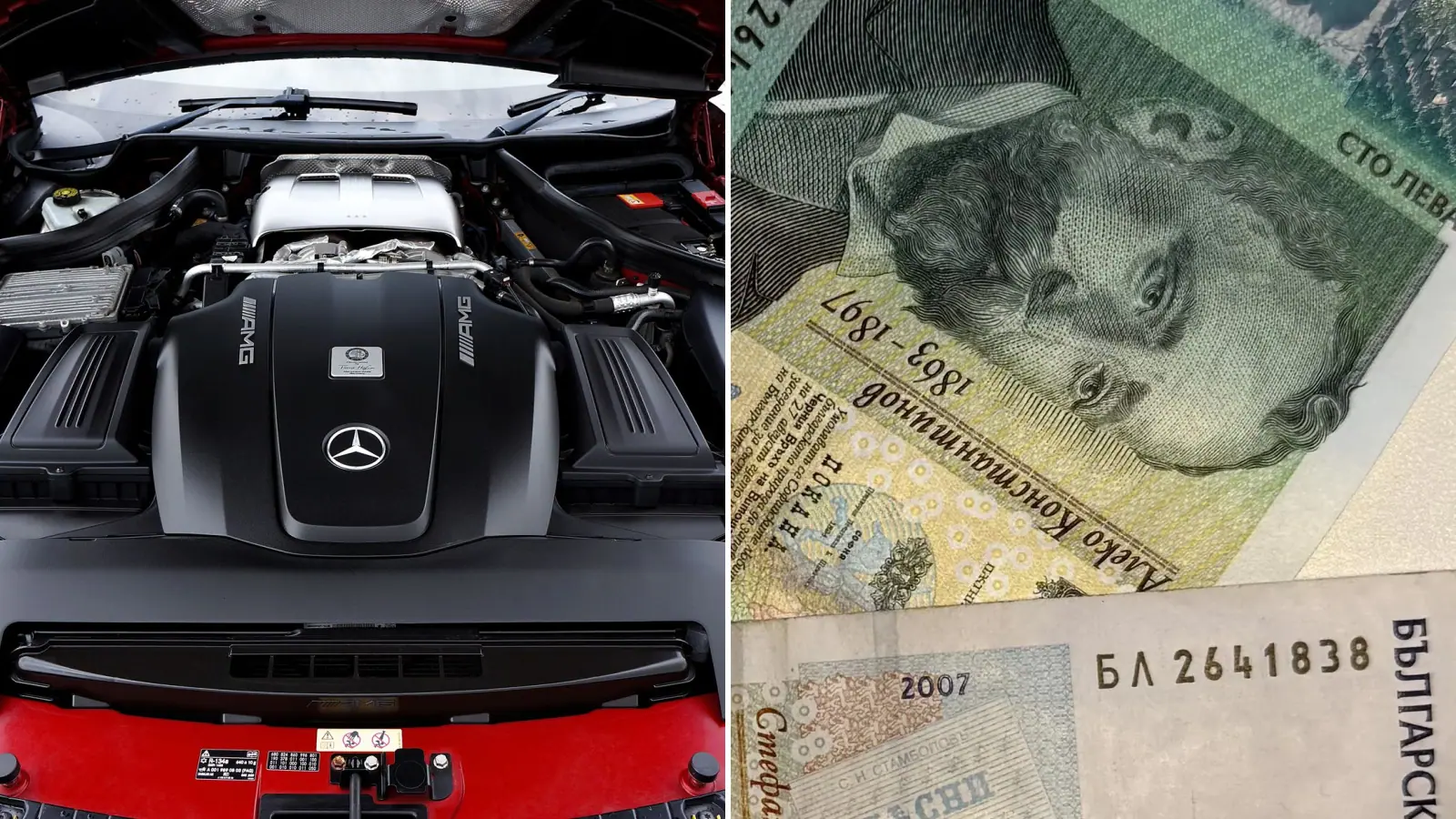
Parliament has backed changes to the Excise Duties and Tax Warehouses Act at first reading. The changes put an excise tax on passenger cars of 250 kilowatts (340 hp) and up, and ban trade in homemade brandy (rakia). The Council of Ministers submitted the bill.
The budget and finance committee backed the text on 10 November. It was presented in the chamber on Wednesday, but with no debate or vote.
See also: MPs consider new excise tax on powerful cars and ban on selling home-made brandy
Today the changes won 118 votes in favour, with 67 against and 3 abstentions. In favour were 117 MPs from Progressive Bulgaria and one from Democratic Bulgaria. Against were 18 MPs from GERB-SDS, 19 from DPS, 8 from DB, and 11 each from Continuing the Change and Revival. Two MPs from GERB-SDS and one from DB abstained.
The tax applies to cars with a combustion engine, and the rate depends on engine power. It is €500 for cars of 250 to 300 kilowatts, €1,500 for 301 to 350 kilowatts, and €3,000 for 351 to 500 kilowatts. Above 500 kilowatts it is €6,000.
Fully electric cars are exempt. So are special service vehicles: ambulances, fire engines and cars with special traffic status.
Homemade rakia will no longer fall under the relaxed rules that allow limited consumption within a family. This is meant to curb its illegal distribution and tighten control.
Tsoncho Ganev of Revival believes the changes mean taxes are going up again. "Taxes keep going up, and they have now gone so far as to carry on the fight against rakia in Bulgaria," he said. Ganev says the aim is to protect the corporate interests of alcohol producers in Bulgaria.
The bill also changes the rules for storing and using energy products, electricity and other excise goods. It also provides for steps to make customs checks more effective and to stop excise evasion.
The bill still needs a second reading.
Comments (0)
No comments yet.