

Parliament's budget committee has approved at first reading a one-off 33% tax on the windfall profits of banks, insurers, telecoms, food retailers, currency exchange offices and quick-loan firms for the 2027 financial year.
The Bulgarian Economic Chamber (BSK) asked yesterday for the tax to be withdrawn. Employers also reject taxing food vouchers.
The previous development: BSK wants the withdrawal of the 33% tax on so-called windfall profits from 2027
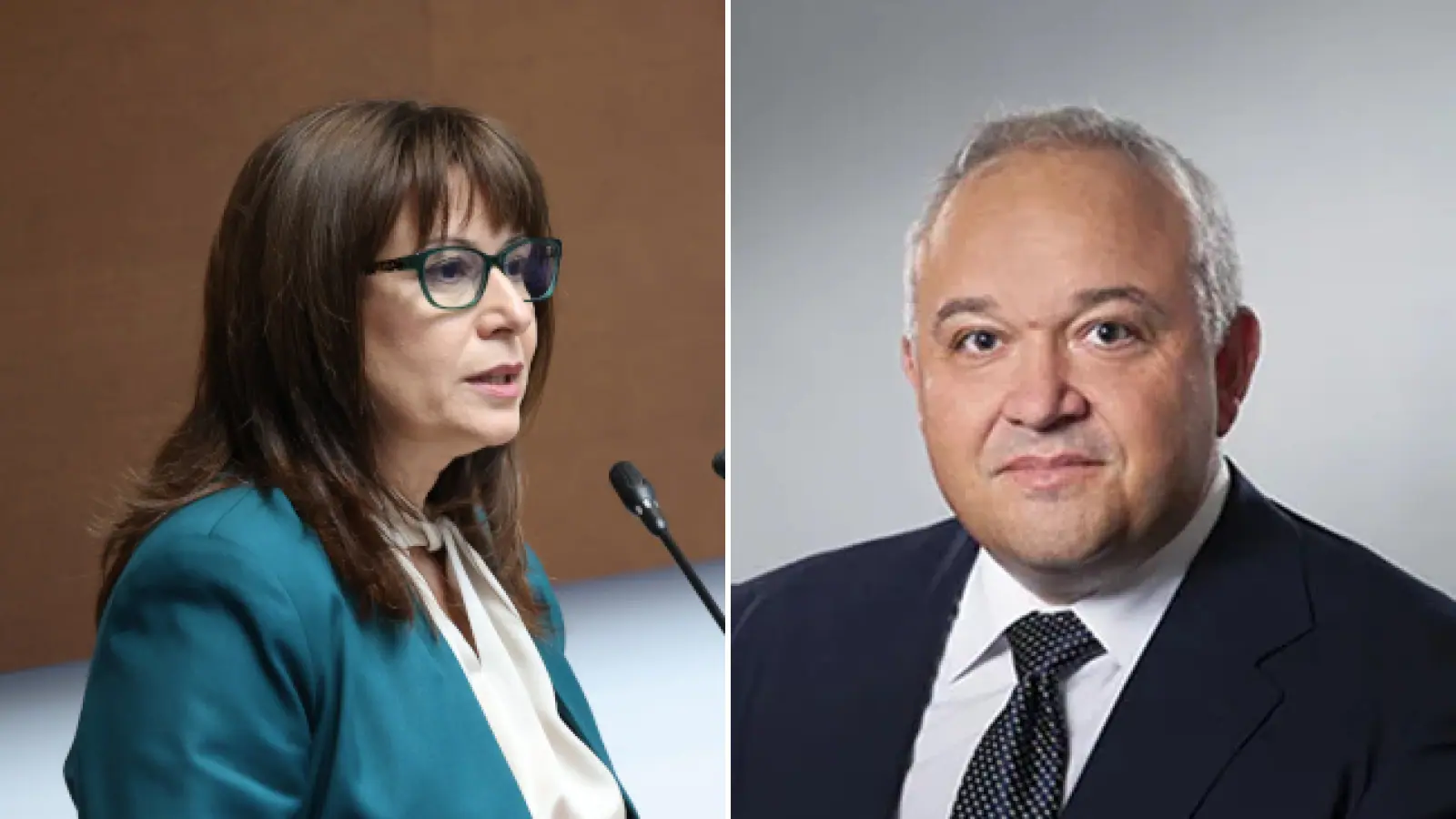
Deputy finance minister Lyudmila Petkova presented the changes to the Corporate Income Tax Act to the committee. The tax won 13 votes in favour, with 8 against and one abstention.
Food vouchers will be able to reach €200 a month, up from the current €102.26, with anything above the current level taxed at 7%. From 1 January 2027, the annual quota for vouchers is €1.5bn.
Food retailers will pay the tax if their net sales revenue for 2026 is at least €5m. Petkova said this threshold could rise between the first and second readings. Vazrazhdane will propose a threshold twice as high, while the Confederation of Employers and Industrialists in Bulgaria (KRIB) wants €25m.
Excess profit will be measured against the period 2020–2025. Petkova said the temporary tax should redistribute extraordinary profits made at a time of economic uncertainty. She said these sectors account for about 60% of windfall profit in Bulgaria.
Energy is not included because energy firms already paid a temporary solidarity contribution on windfall profit in parts of 2020–2025, the deputy minister said. Firms will be able to keep 30% of the tax if they put that money into investment or reserves. The ministry expects €800m to go into the budget after that.
The standard corporate tax does not change, and normal profit is taxed as before. The threshold for fixed assets for tax purposes rises from €357.90 (700 leva) to €1,000. Firms will be able to write off tax losses over 10 years instead of 5, but the deduction is capped at 70% of positive taxable profit.
Costs in kind for company-owned, rented or provided assets will also be taxed differently if they are used for personal needs. The aim is to tax personal spending paid through a company more fairly and in the same way for everyone. Artificial intelligence technology, powerful computers and servers will be written down at double the annual rate, capped at 100%.
"We Continue the Change" will not back the tax, Asen Vasilev said. He said the way excess profit is defined is wrong and that such a tax could scare off investors. Vasilev asked why energy is not included. PP also opposes taxing the vouchers, because that could put employers off offering them.
Martin Dimitrov of Democratic Bulgaria said the text in effect taxes the turnover of specific firms, not profit. Vladislav Panev, also of DB, said the base period was chosen wrongly because it includes the years of the Covid pandemic.
Vladislav Goranov of GERB-SDS objected that firms naturally aim for profit, and that the word "windfall profit" sounds like an oxymoron. He said the ruling parties cannot get spending under control and want to convince the European Commission that they are fighting the deficit. He called the measure an "emergency one-off act".
Toncho Ganev of Vazrazhdane said his party will back the tax because corporate taxes in Bulgaria are low and the money will help the budget. He said the €5m threshold puts small business on the same level as large foreign chains and will crush Bulgarian retailers. Ganev also criticised taxing part of the vouchers.
Atidzhe Alieva-Veli said the DPS will not back the proposal, which she called panicked and one-off. She also criticised leaving out energy. Rumyana Petrova of Progressive Bulgaria replied that energy firms pay into the Security of the Electricity System fund.
Her party colleague Konstantin Prodanov cited IMF and OECD reports saying that taxing windfall profits is a legitimate economic measure. Spain, Italy, the Czech Republic, Lithuania, Hungary, Slovakia and Latvia have similar measures. "We are not reinventing the wheel," Prodanov said.
Stanislav Popdonchev, deputy chairman and chief financial officer of BSK, said the chamber opposes the tax because it comes in a month before the year in which it will be collected. He said the mechanism in effect taxes turnover and should be reworked, but the problem is the idea itself. Boyan Mitrakiev of KRIB is also against it and agrees that this is a tax on turnover.
Nina Kolchakova, director general of the Association of Bulgarian Insurers, said she was surprised that insurers are included. She called the measure a blow to the sector's reputation, because insurers do not make excessive profits and the tax tells consumers that they profit at their expense. Kolchakova proposed relief for employers who insure their staff.
The committee rejected a bill from Martin Dimitrov and a group of MPs for faster depreciation of machinery, production equipment and instruments. It got 9 votes in favour and none against, while 11 MPs abstained. The caretaker cabinet's proposal for tax breaks on donations to sport also failed.




Comments (0)
No comments yet.