
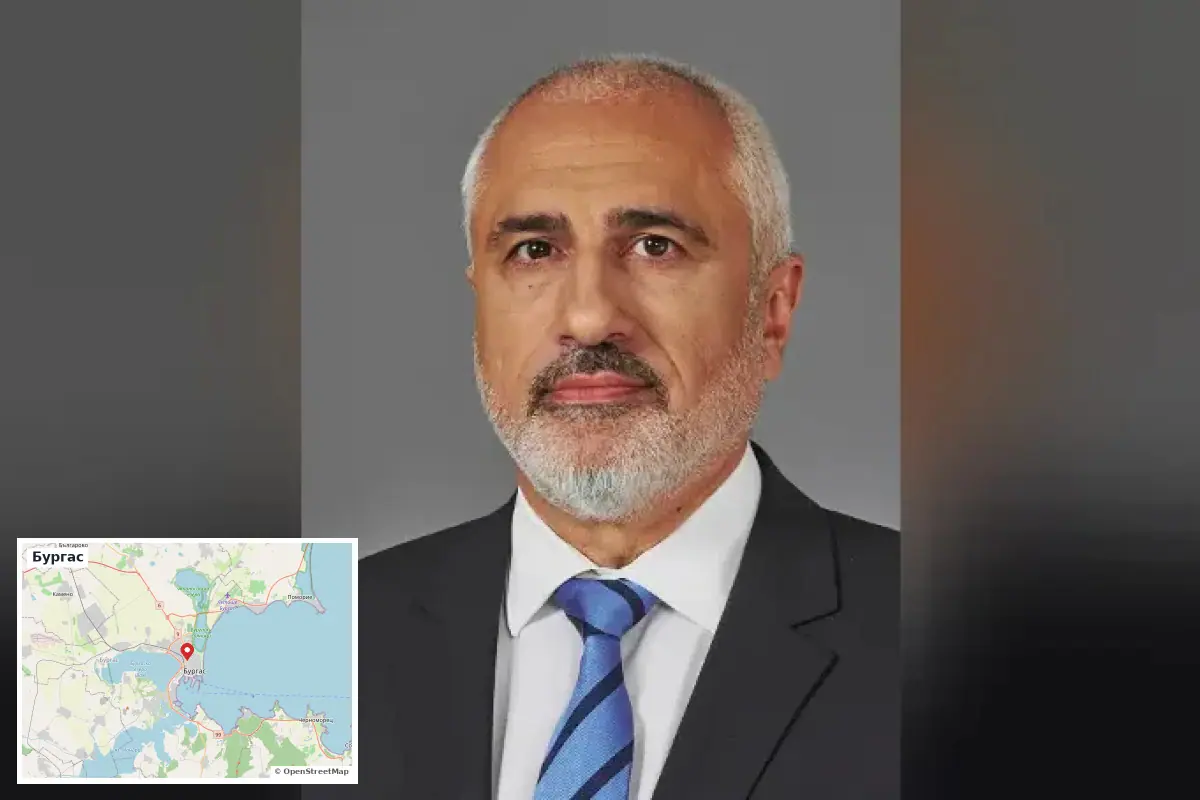
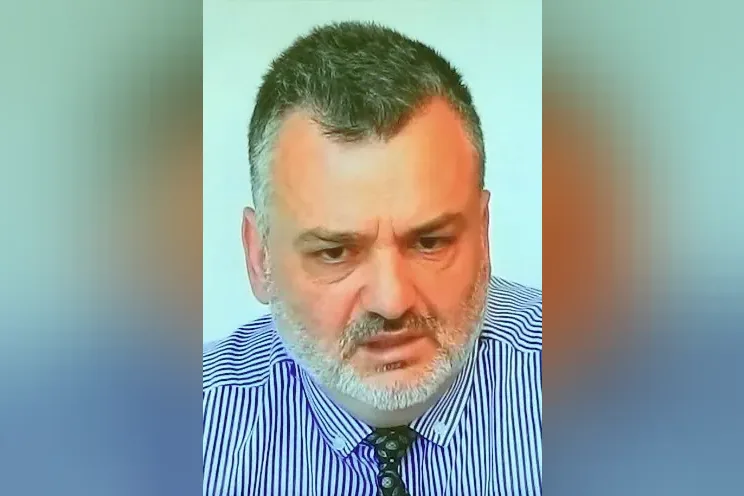
The Burgas refinery makes more fuel than Bulgaria needs at home, says Stefan Belchev, head of the economic committee in parliament, in an interview with Diana Yankulova on BNR's "Sunday 150" show.
"Bulgaria's own fuel needs are fully covered, and selling the extra abroad won't push up the price of diesel or petrol here," said the MP from Progressive Bulgaria.
If exports are blocked artificially, storage tanks could fill up and force production to stop for technical reasons, Belchev said. He added that the state stepped in on time when fuel prices crossed key levels, to stop inflation from hitting businesses and people hard. He has no soft spot for any owner, Russian or otherwise, but said it's good that Bulgaria has a working refinery. The Commission for Protection of Competition is now checking Lukoil.
Talks on the budget are going well, Belchev said. The flat corporate tax and personal income tax stay as they are, but banks, insurers, telecoms and big retail chains will pay a one-off 33% solidarity charge — in effect a tax on excess profits. It will run for one year, until the end of 2026, and more businesses could be added to the list later, though nothing is decided yet.
The point of the changes, he explained, is to make the tax system fairer without touching its basic structure. The charge is an extraordinary but necessary step to balance the budget, he said, and the extra money coming in will help keep state finances steady and give the 2027 budget a clean start after years of inherited shortfalls.
Food vouchers and tax breaks for families with children will reach more people. Municipalities will get exactly the funding each one asked for, with no favourites this time — unlike in the past.
Under the finance ministry's summer forecasts, next year's deficit stood at 3.8% of GDP; the government is now trying to bring it down to exactly 3%. Work on the 2027 budget is going ahead under tighter fiscal watch, including from the European Commission. Belchev said the deficit can be cut without hurting people or their incomes, thanks to tighter discipline and the new revenue measures.
Belchev called the Bulgarian National Bank's involvement in the budget debate a strange political move, saying this is the one institution that should stay out of politics. When a regulator drops its expert tone to attack the government's fiscal plans, he said, that's not an economic debate — it's an attempt to protect someone else's interests. Parliament, he argued, must stand up for the public interest and the stability of the whole country, not just the banking sector.
On gambling, Belchev wants tighter rules and stricter financial controls rather than populist fixes. The plan is to use the Bulgarian National Bank to block payments to unlicensed gambling platforms, including ones that take cryptocurrency. Money raised from fees in the sector would be split evenly between youth programmes, sport, education and healthcare.
"Gambling, like some consumer loans, really is a curse for society, especially for poorer people," he told BNR. Populist fixes, he said, would only push the industry into the shadow economy, and laws without real enforcement stay just words on paper. The old ties between gambling and politics are a long-standing problem, he said, one that gets fixed through openness in how institutions work — and when the money goes straight to public causes, there's no room left for political favours.
Last week parliament approved a zero excise duty on methane, natural gas and propane-butane liquefied gas used as motor fuel, running until the end of 2026.
Comments (1)
над нуждите ли? интересно къде ще отидат тези излишъци тогава...