
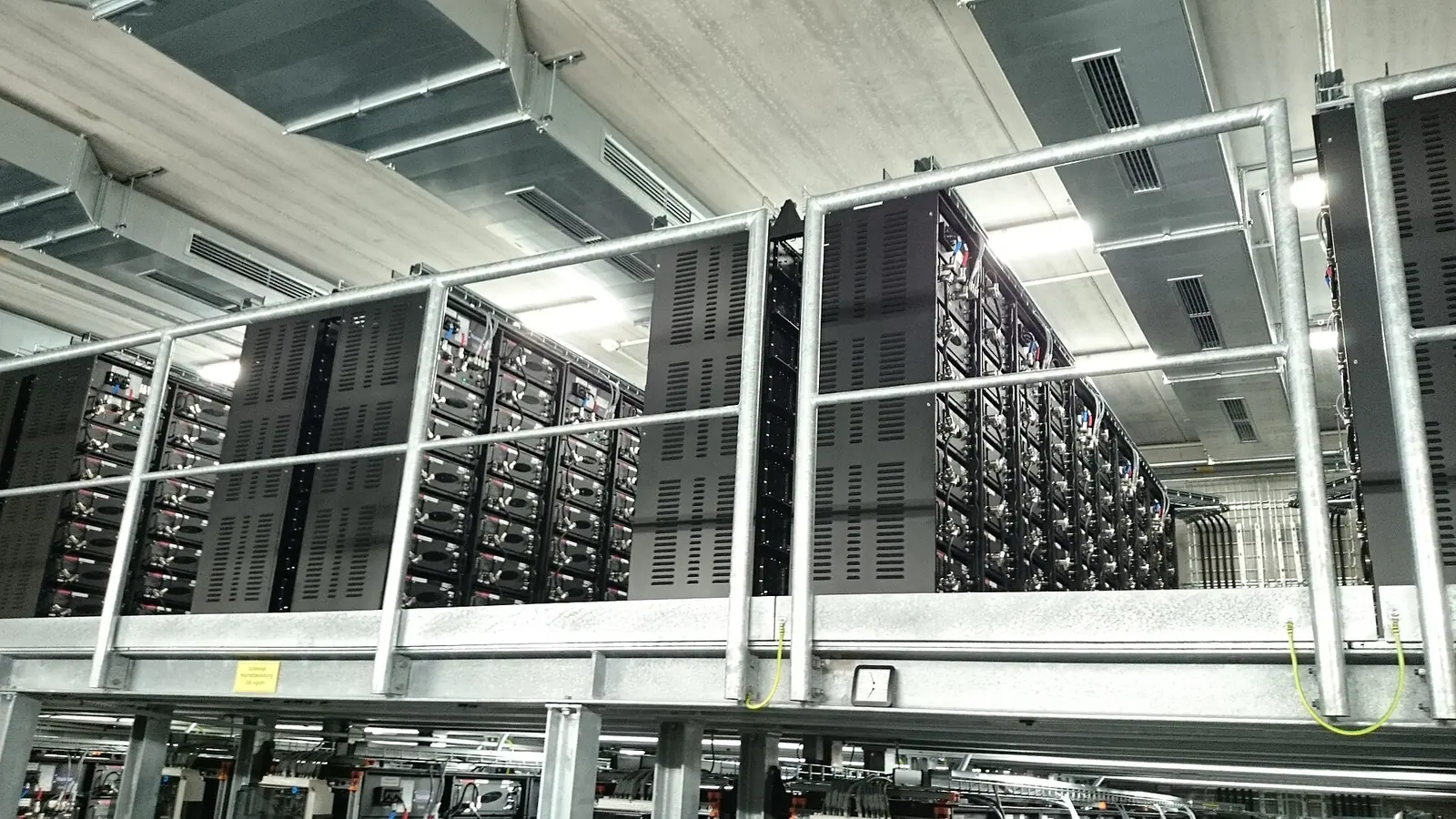
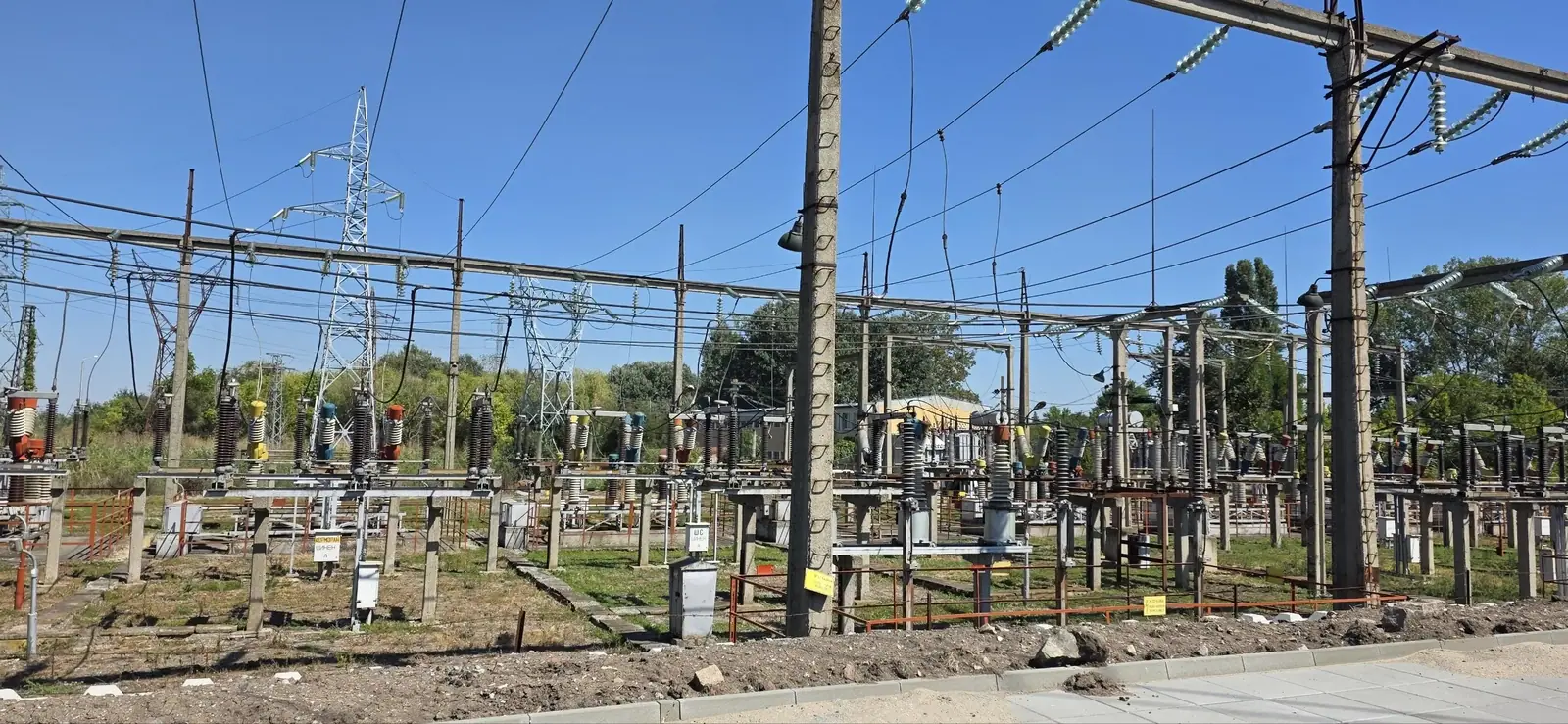
Bulgaria's grid battery capacity has doubled in a year, from 3 to about 6 gigawatts. Electricity exports this year reached 3.5 terawatt hours, 62% more than last year, according to the Association for Production, Storage and Trade of Electricity (APSTE). The figures came out on Friday, 23 October.
The batteries store solar power during the day and feed it back into the grid in the evening, when demand is highest. In July and August, heatwaves strained the grids of neighbouring countries, which struggled to meet demand. Bulgarian exports helped them.
How it all started: Bulgaria doubles power storage capacity as exports jump 62%
On the busiest days, Bulgaria sent out up to 50,000 megawatt hours a day, said Dimitar Zarchev, head of the Central Dispatch Department at the Electricity System Operator (ESO). By his count, that is about 2,000 megawatts an hour on average, roughly what the Kozloduy nuclear plant in north-west Bulgaria produces.
Some of the power went to Romania this summer. In August, Romania shut down a nuclear reactor because of drought and low water in the Danube, whose water cools the reactor's turbines. Power from batteries cut the need for hydropower plants, which usually cover the peak, so reservoirs kept their levels.
The European Union gave €700m in grants for batteries in Bulgaria ($783.86m at a rate of 0.8930 euros to the dollar). Together with changes to the rules, the money also drew private investment.
Battery storage is now critical, not a luxury but a necessity, said Nikola Gazdov, chairman of APSTE.
Energy is costly in Europe, there are worries about supplies, and hotter summers are expected because of climate change. High prices this year fuelled anger that led to social unrest. Storing power for peak hours affects consumers' bills and softens the shocks linked to the US and Israeli war against Iran.
Bulgaria has little oil and gas of its own and produces far less electricity than many other EU countries.
More batteries will need a bigger grid. Fast growth has already narrowed the gap in power prices between the hour of charging and the hour of discharging. That means owners will earn less, and investors have less reason to put in money.
At some point batteries may start to "eat" part of their own revenue, the Energy Ministry said in a statement. For that reason, it says, they should take part not only in trading between cheap and expensive hours, but also in balancing markets and grid services.
In winter the days are shorter and solar plants produce less, so batteries will help less. Zarchev said Bulgaria will rely more on conventional plants than on stored renewable energy.
Greece's solar capacity grew more than threefold between 2020 and 2025, according to data from the International Renewable Energy Agency (IRENA). Batteries there lag behind, and the evening peak is covered with imported gas.
Since 2023, Athens has held three auctions for stand-alone batteries, and the first of them were installed only in April. By the end of the year, total storage in Greece will reach 1 gigawatt, government data show, a small fraction of Bulgaria's capacity. Greek officials say another 5 gigawatts will be added by 2030.
In the first half of the year, Greek households paid an average of €0.1967 per kilowatt hour before taxes and charges, against €0.1117 for Bulgarian households, according to Eurostat.
The Greek energy ministry said in a presentation last month that it is working to build batteries faster with EU money, to bring down power prices. Manolis Karapidakis, chief executive of the Greek association of energy storage developers, says that with 6 gigawatts of working batteries, Greece's power system would be better balanced today. Consumers would feel that too, he says.
The EU has tried for years to expand batteries, because the sun and wind do not supply power all the time. Progress is slow because of long waits for permits and grid connections. Batteries are expected to spread faster, especially in Germany, Britain and Italy.

Comments (0)
No comments yet.