
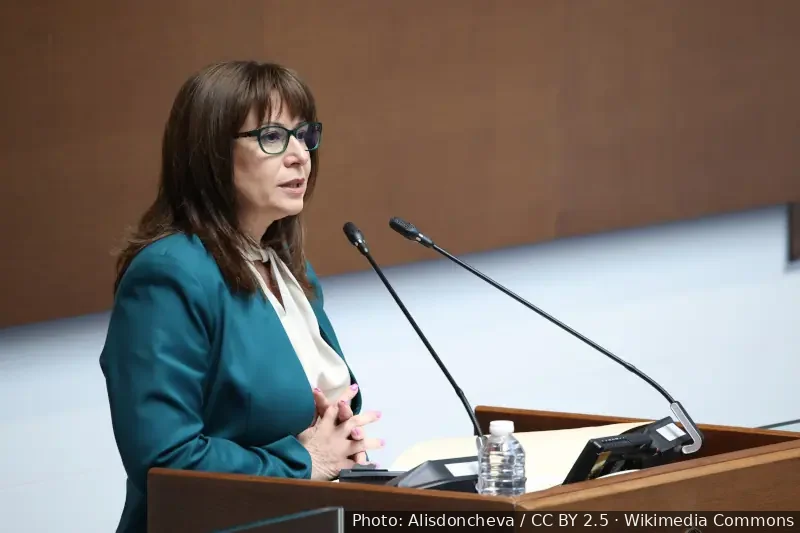
Ombudsman Velislava Delcheva told parliament's committee on human rights, religious affairs and citizens' complaints that the draft 2027 budget also gives her office no way to strengthen its team of experts, even though its workload is rising sharply. In all of 2025, the ombudsman received 10,256 complaints. Since the start of this year, it has received 16,000.
"Complaints are up by more than 50%, and we cannot hire new experts because pay is too low," Delcheva said.
In July, when MPs discussed the 2026 budget, the office had 8,000 complaints. "I made a wrong forecast then, that we would have 15,000 by the end of the year. Clearly I got it wrong," she admitted. In recent days the flow has tripled. The personal assistance bill alone drew 900 complaints in five working days.
As a primary budget spender, Delcheva backed the draft 2027 state budget, but with some reservations. She said the money must be spent efficiently and openly, under strict state monitoring.
The "Personnel" fund will grow by 5%, but even then the average basic pay of the office's experts will be only 80% of what people in the same posts earn in the state administration. Many staff in the office hold several general administration posts at once. Delcheva said the most important thing is a system that lifts pay to at least the average monthly wage for similar expert posts in the state administration.
The second area where money falls short, and which she already raised during the 2026 budget talks, is the new duties under the EU regulation on screening people at the external borders. The office must set up a national monitoring mechanism. Its staff would visit the border and work with people there. The present team cannot take on the task, Delcheva said. It needs more people and extra expertise, mostly lawyers and people who speak languages. Fewer than 10 people in the office speak English.
The ombudsman will answer every complaint, however many there are, Delcheva said. She said the goal is for the office to get full, long-term support.
She said the most worrying point is that nobody has yet worked out how much extra funding the office will need for its new role under the EU Artificial Intelligence Act: protecting basic rights in automated systems and generative AI. The government is now drafting a bill linked to the act, and Delcheva hopes it will do what is needed.
The ombudsman's spending in the draft 2027 budget is €2,747,400, of which €23,000 is for buying long-term assets. The maximum for spending commitments and for new spending obligations is €610,000 each.
Comments (0)
No comments yet.