
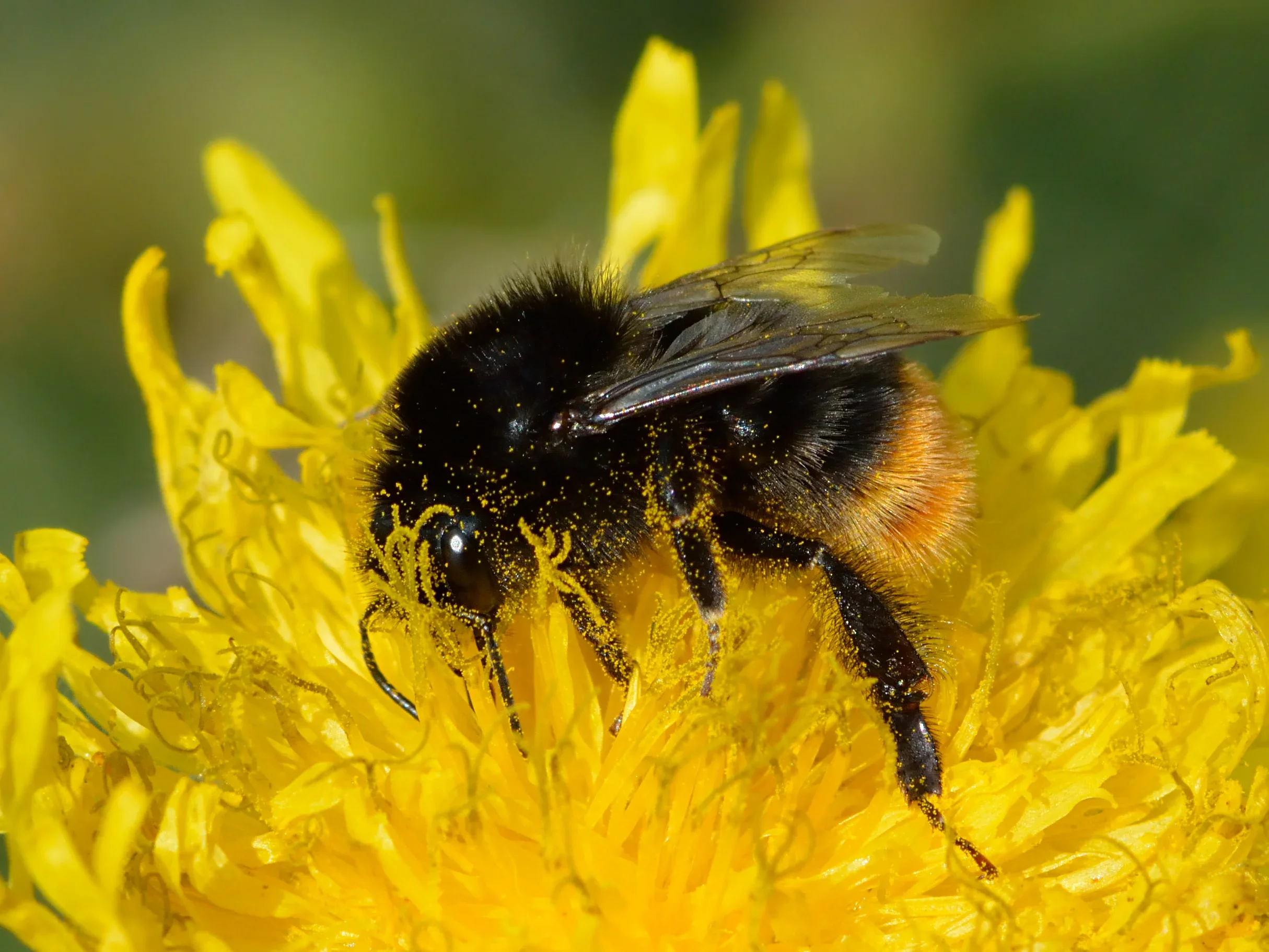
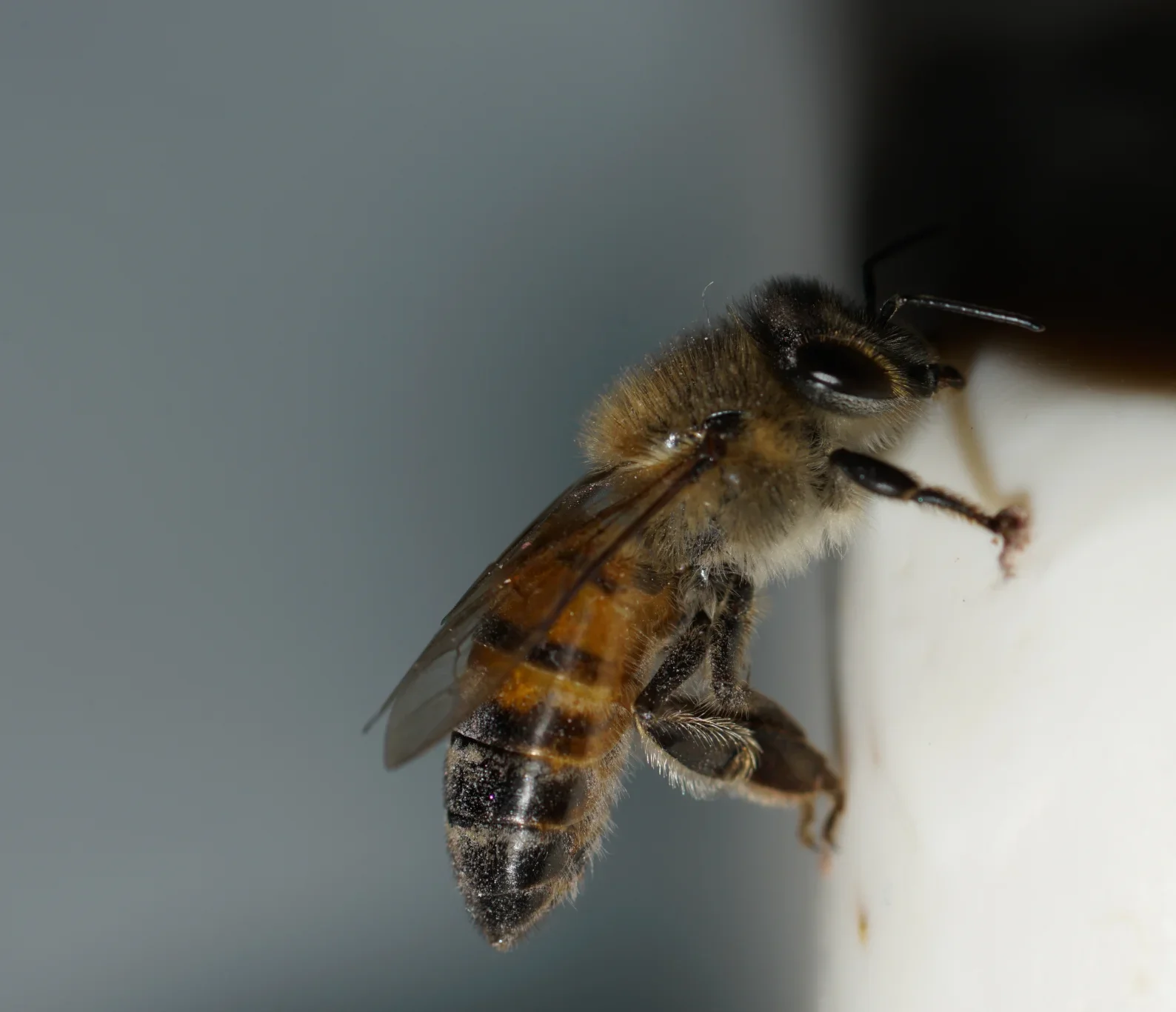
Rising temperatures cause wild bees and wasps to come out of their winter "sleep" earlier than usual, which accelerates the expenditure of their energy reserves and worsens their physical condition. This is the conclusion reached by an international team of scientists in a large-scale experiment published in the journal "Functional Ecology".
Large field experiment in Bavaria
Researchers from the University of Würzburg collected nearly 15,000 hibernating insects from over 160 locations in different parts of Bavaria, Germany. They then raised them in controlled conditions that simulate "cold", "warm" and "hot" springs to recreate different climate scenarios. The team, led by Dr. Christina Ganusa and Prof. Ingolf Steffan-Dewenter, tracked five species of wild bees and wasps that appear at different times of the year.
All five species hatch earlier in warmer spring temperatures. However, the strength of this effect depends on the geographical and climatic origin of the insects. Populations that in nature emerge in the spring from warmer regions - for example, from Lower Franconia - respond with a particularly early appearance and manage to retain a larger part of their body mass. Insects from colder areas, such as the Bavarian Forest, suffer the warming much worse.
In late-summer species, only individuals from colder regions hatch earlier than usual in warm conditions. Females of summer species lose body mass much faster in a warm environment - in some cases up to 34 percent compared to control groups at lower temperatures.
Insects from cold climates are most vulnerable
The results outline a worrying imbalance: insects that emerge too early from hibernation often do not yet find enough flowering plants or prey to feed on. At the same time, higher temperatures cause hibernating adults to burn their energy fat reserves much faster, which weakens them even before they begin to actively search for food.
"Our data show that insects from colder regions are particularly vulnerable to warm spring seasons. They lose energy faster and therefore start the season in significantly worse starting conditions," emphasizes Dr. Ganusa.
The better condition of insects from warmer regions suggests that the climatic origin sets the "framework" for how flexibly they can react to warming. Although all populations leave winter dormancy earlier at higher temperatures, not all manage to retain enough energy to survive and reproduce successfully.
Open questions about pollination and adaptation
The study is part of the "LandKlif" project within the Bavarian Climate Research Network and raises a number of questions to which scientists will seek answers. These include: how extreme heat affects the hatching moment; what the loss of energy reserves means for the efficiency of pollination; and at what rate bee and wasp populations can adapt to permanently changing temperatures.
Wild bees and other pollinators are already under strong pressure due to the destruction of natural habitats, intensive agriculture and the use of pesticides. The additional stress from the displacement of the seasons caused by climate change could deepen the risk to populations that are the basis of a huge part of the world's food production.
The authors of the study warn that if insects start the season ever more exhausted and out of sync with the flowering of plants, this could lead to chain effects - from weaker pollination and lower yields to an additional decline in biodiversity. Therefore, they call on climate policy and nature conservation to consider pollinators as a key indicator of the sustainability of ecosystems.
Коментари (8)
Брех, тоя топло време май ще ни изиграе лоша игра… Пче
Хммм... Предсрочно събуждане на пчелите, загуба на енергия... Интересно дали има връзка с промените в климата или просто нормален цикличен процес? И ако е свързано с промените – доколко
Сериозно ли?! Пчелите и осите се изтощават заради топлото? Аз си мислех, че е супер, че пролетта идва по-бързо, ама явно има и негативни последствия. Тоя климатичен дисбаланс май наистина ни тресе здраво, не е шега работа.
Абе, к'во става все пак?! Тоя клемат май полудя! Пчелите и осите... аз се чудя какво ще стане с реколтата наесен. Дано не е нещо фатално, че ако няма пчели - голям зор. Трябва да гледа
Ужас! То значи, реколти няма да има ли?!