
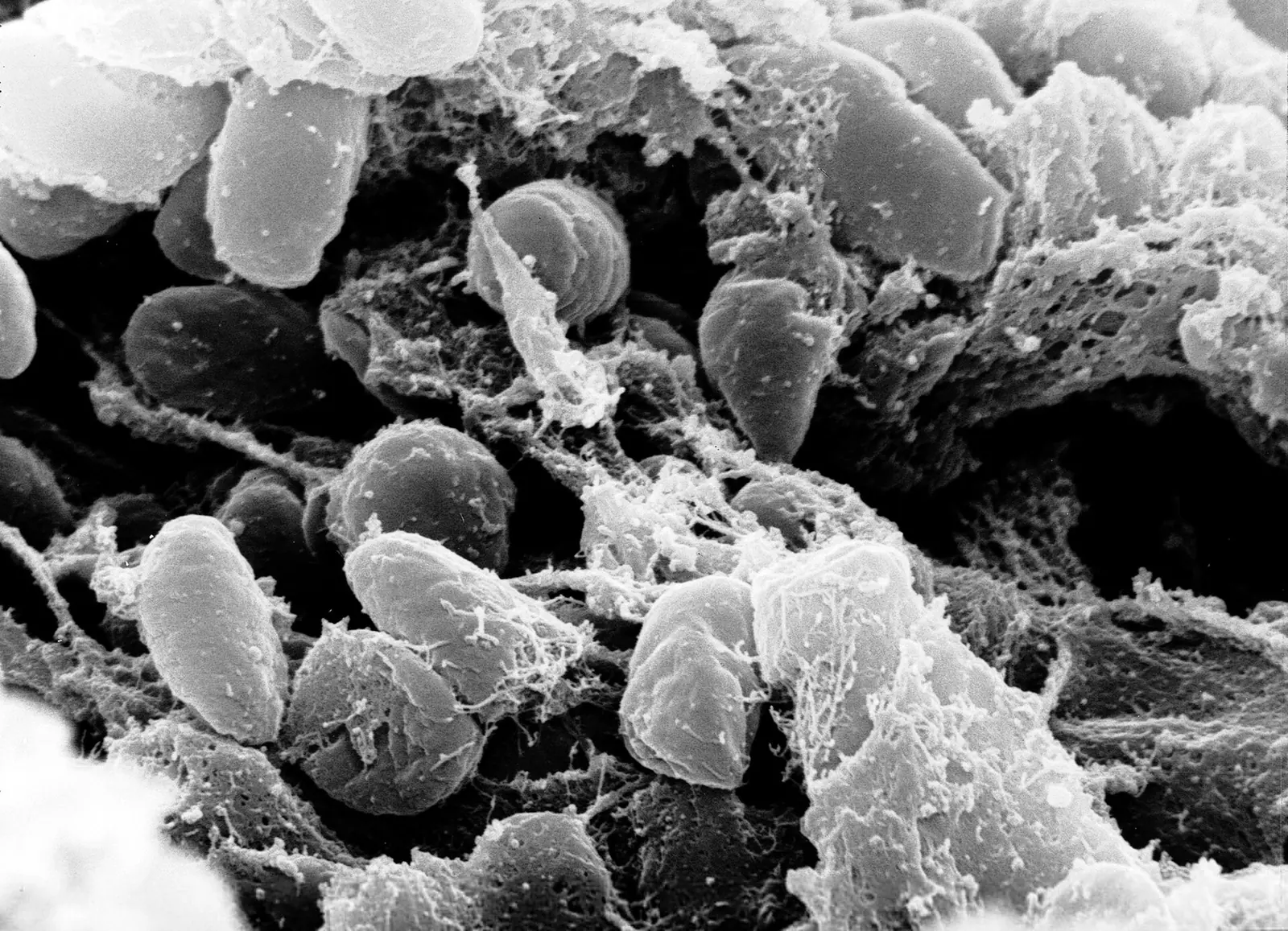
A second person has died in Russia's Irkutsk region amid suspected plague, independent Russian and Western media reported on October 6. Russian officials deny there is a confirmed outbreak, and the World Health Organization says the risk to the world is low.
The first to die was 28-year-old Darya Shipilova, who worked at the Irkutsk Anti-Plague Institute, a lab that handles dangerous pathogens including Yersinia pestis, the bacterium that causes plague. On September 25, a test tube broke in the lab, and her condition got much worse soon after. She was taken to hospital in Shelekhov, where she died in early October.
On October 4, Russia's consumer health watchdog, Rospotrebnadzor, gave the cause of death as "pneumonia of unknown origin" and said tests found no microorganisms linked to her work. Two days later, the agency said no plague case had been found among her contacts, that some of them were no longer under watch, and that the health situation was stable. Independent media say around 200 contacts are under medical observation.
Independent Russian and Western media report a lab infection, a wide quarantine, and a second death at a district hospital in the region. Russian health officials have not confirmed a new death, and the claim of a second plague victim remains unconfirmed for now.
The quarantine covers city hospitals No. 1, No. 3 and No. 10 in Irkutsk, as well as a children's hospital and a maternity ward, where visits to patients are restricted. Some wards at Shelekhov district hospital have stopped admitting and discharging patients. Local sources say the restrictions are set to last three weeks.
A Russian TV channel took down five reports on the suspected plague, and a Russian outlet removed a story on the international reaction to the case. The local administration in Baikalsk deleted a notice that had advised people to avoid travel to Shelekhov for now over unofficial reports of a plague case.
Kremlin spokesman Dmitry Peskov said people should trust only official information from Rospotrebnadzor, calling everything else "rumors and speculation."
Kazakhstan, Kyrgyzstan and Uzbekistan have tightened health checks at their borders and transport hubs. The US is watching the case, and the State Department has asked Russia for transparency and timely information.
US sources say this could be the first confirmed human plague case in Russia since 2016. The World Health Organization is waiting for more data from Moscow, and some of those who had contact with the cases remain under medical watch.





Comments (0)
Все още няма коментари.