
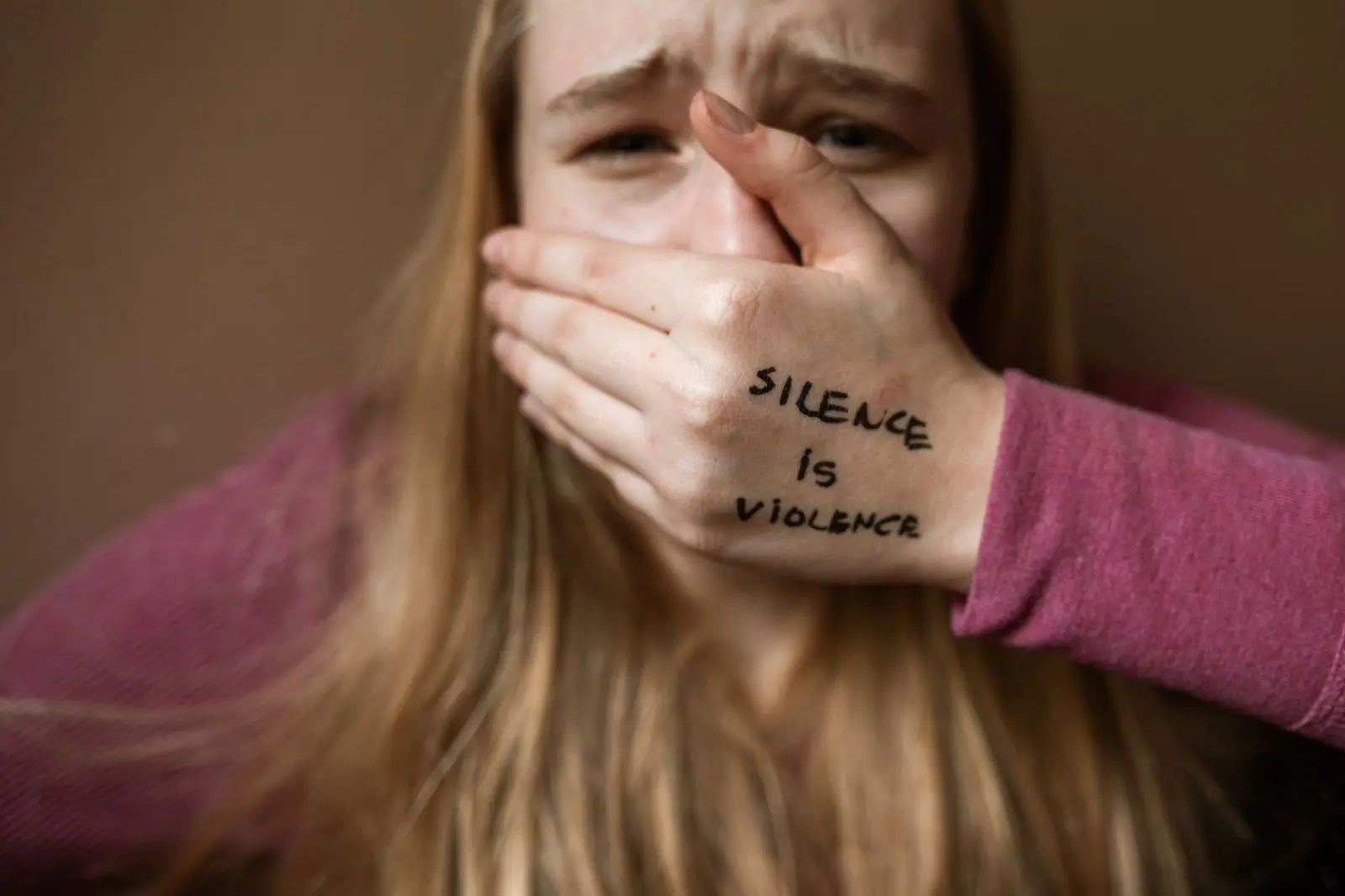
Burgas will host a public discussion on personal choice and the psychological effects of domestic violence, part of a series of talks on women's health. The Bulgarian Platform of the European Women's Lobby presented the project at a press conference in Sofia.
The meetings are part of a project called "Sustainable Local Communities for Women's Health," which runs from 1 June 2026 to 30 November 2027 in towns and villages across Bulgaria. The Swiss-Bulgarian Cooperation Programme is funding the project with 152,735.94 euros, and 11 organizations are taking part.
In Haskovo, the discussion will trace the long road from a first report of domestic violence to breaking the cycle, asking where the system fails and what actually helps. Gabrovo will host two events: one for women who have suffered violence, covering first aid and long-term effects, and another on addiction among women, bringing together experts and people with first-hand experience.
Kubrat will look at the risks women with diabetes face, and Kazanlak will focus on women's health in industrial jobs. Smolyan will discuss women's health during environmental crises, drawing on what local people already know and have lived through, while Chepintsi will focus on women and the healthcare system. In Plovdiv, the meeting will cover women in the "red zone" and health during a crisis — both rescue workers and the women who need help.
Iliyana Balabanova, co-founder and president of the platform, says women's health is a European Union policy priority for the first time — not just reproductive health and motherhood, but also prevention, diagnosis and treatment of diseases linked to differences between the sexes. Many studies back this up, she says. Scientific and medical research has mostly focused on how the male body reacts, she says, overlooking hormonal and cellular differences between men and women — which is why treatment has long been geared toward men, and still is.
Balabanova also listed other issues the group works on: women's role in decision-making, in politics and the labor market; support for survivors of violence and harassment; women and climate change; migrant women; and policy at national and local level.
Project coordinator Petya Burneva said women's health isn't shaped only in the doctor's office — it's also affected by access to health specialists and information, income, local and national support, and government policy. That's why the project looks at the issue from a social and political angle, not just a medical one.
Every discussion starts with an information session and with questions, not ready-made answers, Burneva said. The events take place in different towns because access to healthcare varies depending on where people live. The aim is to bring people together with professionals working on the ground and with local institutions, building up knowledge from ordinary people — lessons that then feed into national policy.
The platform brings together 24 non-government organizations across Bulgaria and more than 20 individual members. It belongs to a European coalition of non-government organizations that has existed for more than 27 years and is the largest of its kind in the European Union.
After the discussions, organizers will draw up recommendations to improve policy and access to women's health services in Bulgaria. The project also aims to build a network of local civic organizations.


Comments (1)
2026? Далеч е все още...