
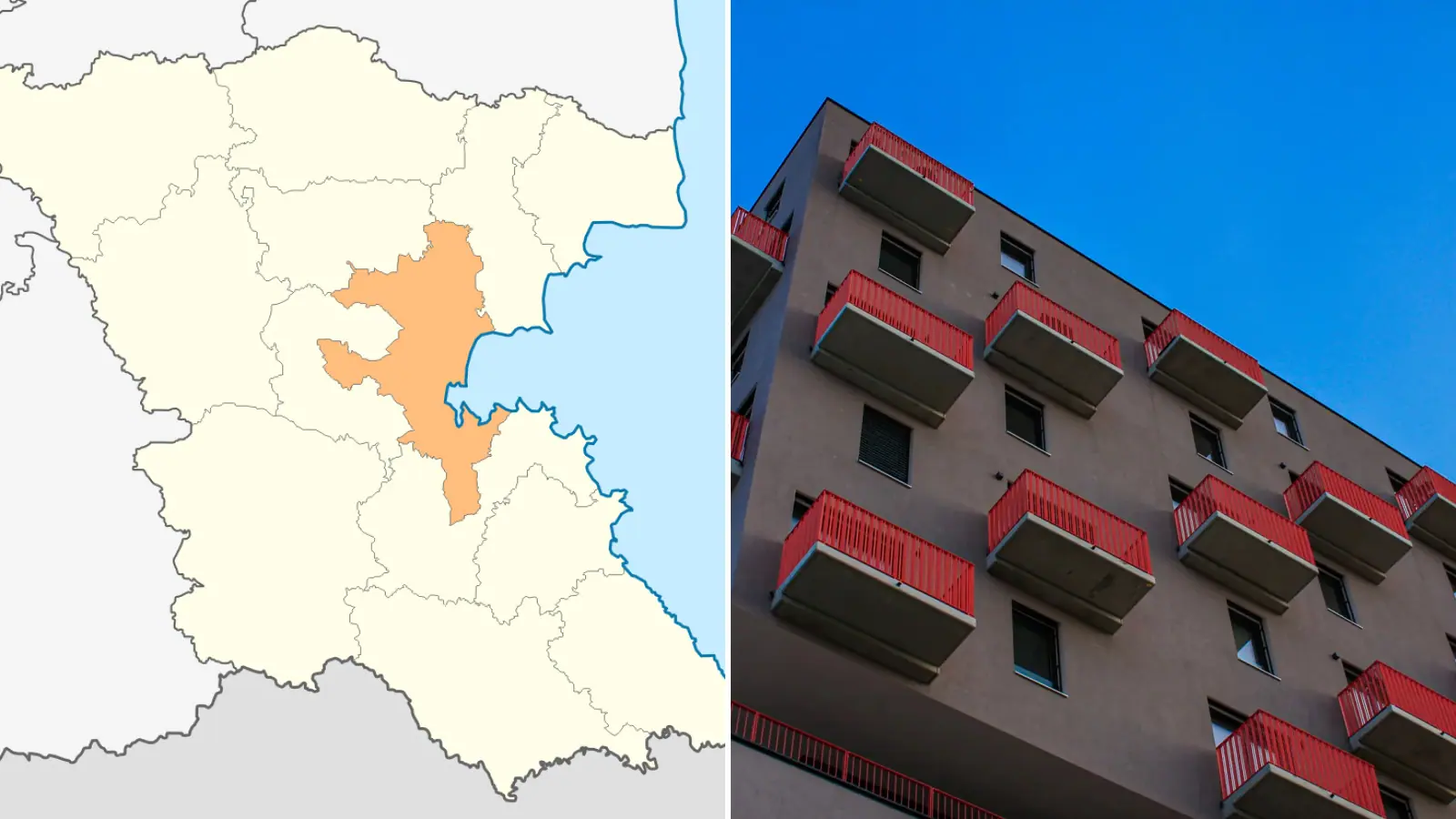
Nearly half of all home sales in Burgas in the third quarter of 2026 went through below the asking price: 45%, up from 36% a year earlier, property agency Address Real Estate says.
Buyers are comparing more listings and negotiating harder. The time it takes to sell a home in Burgas has almost doubled, from 36 to 68 days.
Of the four cities tracked, Burgas still has the smallest share of discounted sales. The share is rising elsewhere too: in Plovdiv it reached 60% (up from 42% a year ago), in Varna 59% (up from 48%), and in Sofia 55% (up from 38%).
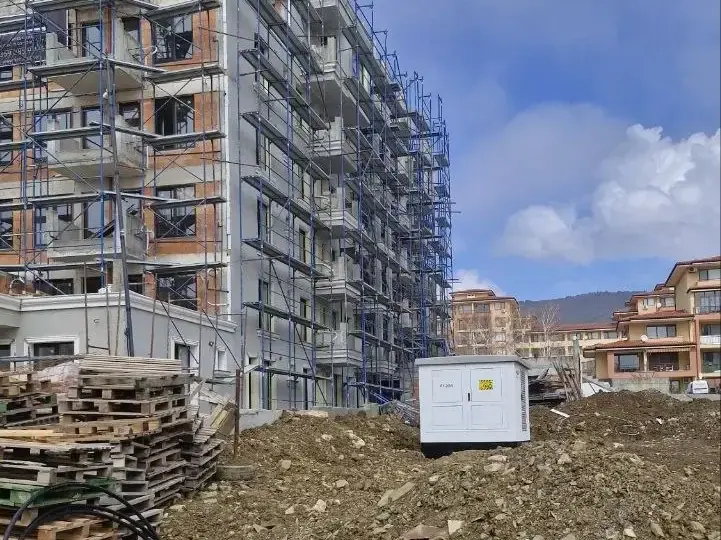
In new-build homes, Burgas leads with an 18% share of sales, up from 14% a year ago. In Burgas, resale homes now make up 82% of the market, down from 86%. In the other cities, the trend runs the other way. In Varna their share rose to 93% (from 86% a year ago), in Plovdiv to 92% (from 82%), and in Sofia to 87% (from 76%).
Prices are not falling. In Burgas, the price per square metre for two-room flats rose 8% over the year, and for three-room flats by 7%. Two-room flats rose fastest in Plovdiv and Varna, by 23% and 22% respectively, and slowest in Sofia, up just 3%. For three-room flats, Varna leads with 15%, followed by Sofia with 9% and Plovdiv with 6%.
Two-room flats make up 57% of sales in Burgas, and together with three-room flats account for 74%. In Plovdiv that share is 83%, in Sofia 80%, and in Varna 73%, where houses make up 16% of sales. In Sofia, larger flats and houses have doubled their share to 8%.
In Sofia, a purchase now takes 53 days on average, down from 70 days a year ago. In Plovdiv the time has stretched from 31 to 52 days, while in Varna it is almost unchanged, at 57 days versus 56.
In Sofia, a discount of more than €10,000 is no longer rare, though the most common discount is still around €5,000. In Varna, smaller discounts are losing ground: their share fell from 59% to 38%, while discounts above €5,000 are becoming more common.
Prices vary widely between districts of the capital. The average price per square metre is up 11% year on year in Malinova Dolina, 7% in Nadezhda, around 7% in Ovcha Kupel, and around 4% in Manastirski Livadi-Iztok, while the city centre saw a drop of nearly 4%. The average price of a home sold in Manastirski Livadi-Iztok fell from €235,377 to €207,767.
Gergana Tenekedzhieva, the company's chief executive, describes the market as balanced, with lower activity but no drop in prices. She says the bigger share of discounted deals does not mean the market is falling — it means buyers and sellers are back on more equal footing at the negotiating table. "The asking price is more and more often just a starting point for talks," she said.
Earlier this year, the company expected a sharper slowdown, lower prices and more turbulence in the market. That did not happen, Tenekedzhieva said. Nine months on, prices for most homes remain above last year's levels, and demand is still being driven by people's real need for housing. What has changed is how buyers and sellers behave — and how motivated each side is now matters more for whether a deal gets done.
"After the euphoria of 2025, both sides now have more reason to think carefully before their next move," she added.
So far, more cautious buyers are not pushing down prices on the most sought-after homes. The difference shows up deal by deal, where the final price depends on the property itself, how realistic the asking price is, and how motivated the seller is. Sellers who really need to sell are cutting prices. Those who don't need to sell are choosing to wait. Some developers of new-build projects are slowing down their building phases so they don't have to cut prices even before construction starts.
Before summer, sellers were more willing to sell. In the third quarter, some of them switched to waiting it out, leaving the more motivated sellers active in the market.
The company says how active the market stays will depend on whether buyers' and sellers' expectations start to match up. Some buyers have cash in hand but are picky about price, and would rather wait than buy without a good deal.
The last quarter of 2026 will show how long this waiting game lasts and how it affects the balance between supply, demand and prices, Tenekedzhieva said.


Comments (1)
Двеста двадесет и шеста година ли? Наистина ли чакането става толкова дълго...