
A study by the Faculty of Technology at the University of Novi Sad has found elevated levels of "forever chemicals" (PFAS) in rivers in northern Serbia. Levels are highest in irrigation canals near the Danube.
The scientists began work in 2023. They studied 12 sites, mostly in the north of the country, and found 20 PFAS compounds. Senior researcher Igor Antic says that at almost 80% of the sampling points, levels are above the annual average value set by the new EU rules.
The Danube flows through 10 countries, and more than 20 million people in Europe get most of their drinking water from it. A BNT team travelled along the river in Serbia and Bulgaria to check whether EU limits are being met and whether the pollution reaches drinking water.
The name "forever chemicals" covers thousands of substances, with estimates ranging from 4,000 to 15,000. For several decades they have been widely used in clothes, waterproof jackets and shoes, non-stick pans and baking paper. Nature does not break them down, and some are carcinogenic.
"They are not familiar to living organisms, and organisms have no natural systems to get rid of them once they get into our bodies," Assoc. Prof. Yovana Todorova of the Faculty of Biology at Sofia University "St Kliment Ohridski" told BNT.
Drinking water in Ruse comes from underground sources, not from the Danube. The Ruse water utility has been testing it for PFAS since 2023.
"Of the 180 samples we tested from 2023 to 2025, none deviated from the set limits," Madlena Hristova, a chemical engineer and head of the utility's water testing laboratory, told BNT.
She says there is no proven link between the water in the Danube and other rivers and the underground sources. But the risk exists, so checks are carried out. For now, the river itself at Ruse is not tested regularly for PFAS.
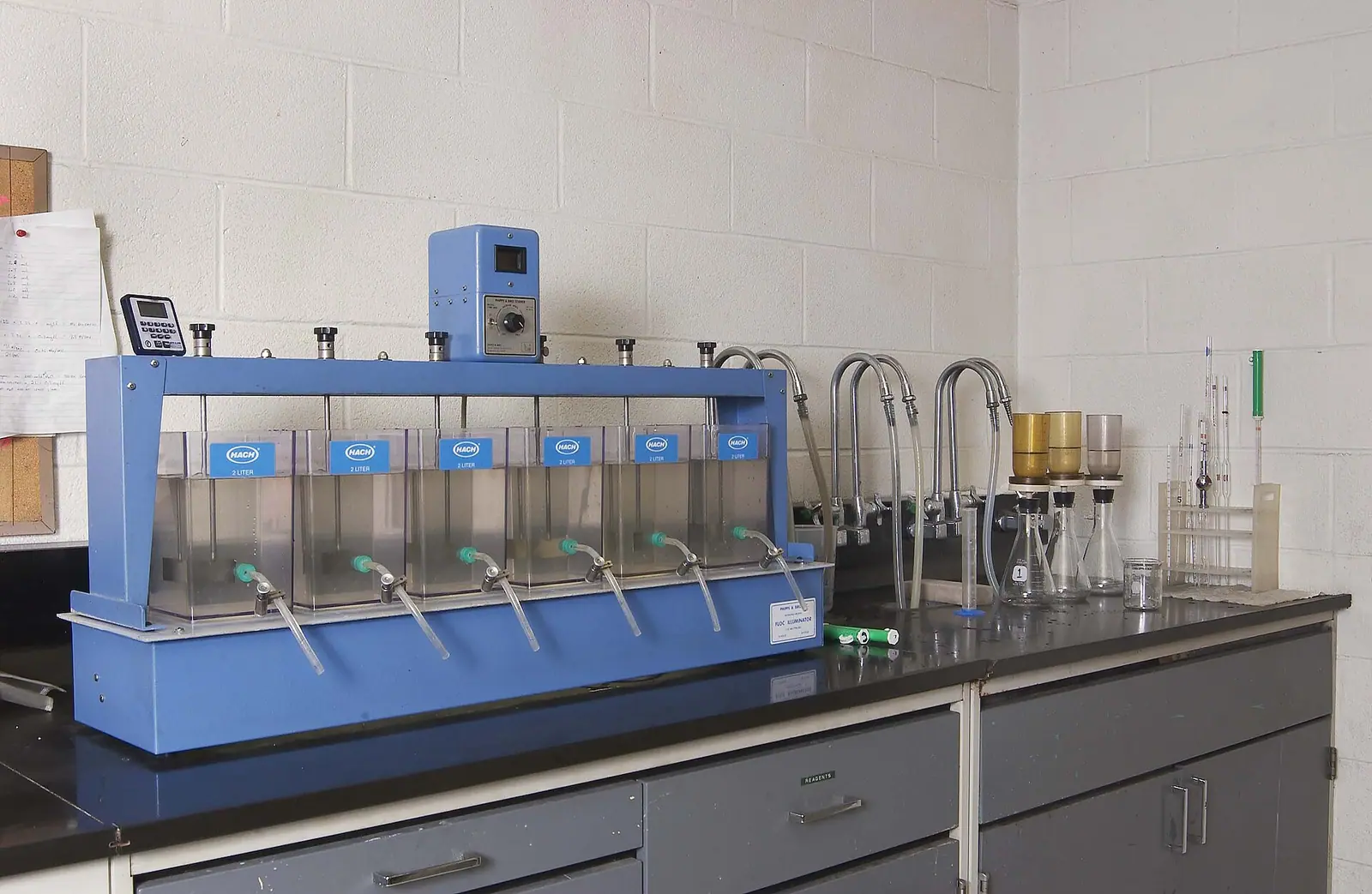
The equipment for such tests is costly, so the utility sends its samples to a laboratory in Varna, almost 200 km from the city. Senior ecologist Daniela Petrova says treatment plants should get a fourth stage of purification to remove these pollutants. She says "forever chemicals" are harmful and carcinogenic to people.
Principal research fellow Elena Zivancev says that if PFAS are found downstream, their sources must be traced, including across the border, further up the river.
The tests are complex, and the research is funded mainly by the EU. The Novi Sad team works on European projects under the Horizon Europe programme. Prof. Natasa Djurisic-Mladenovic of the faculty said equipping a laboratory is a big expense. She says laboratories should share their testing capacity and openly exchange data. Once projects end, stable national or regional funding is needed to keep what has been built.
For Serbia, changing its environmental laws is part of the path to EU membership, and the EU is tightening its control of PFAS. New rules on testing for these substances came into force this year, and from mid-2027 even stricter rules will apply in all member states.
The EU aims to limit the use of "forever chemicals" step by step and possibly ban them completely.




Comments (0)
No comments yet.