
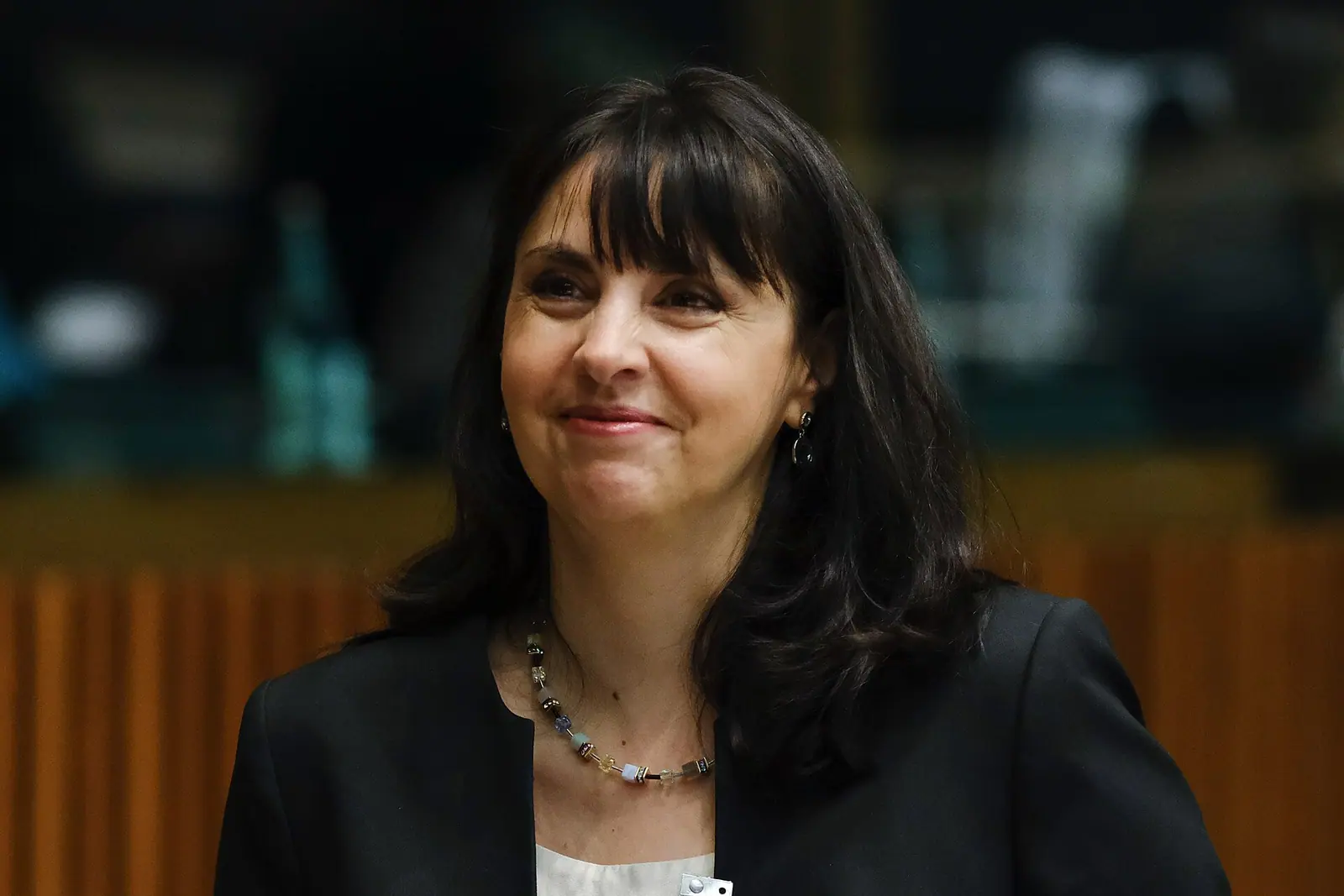
The World Bank has carried out a mid-term review of Bulgaria's demographic strategy. The results were presented at a closing conference, the labour and social policy ministry said.
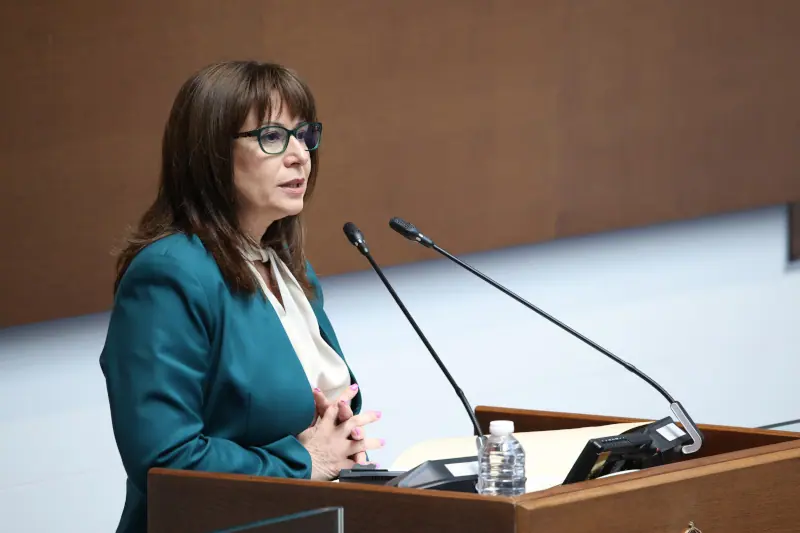
Labour and social policy minister Natalia Efremova told the forum that Bulgaria's response to demographic change must be tied directly to the labour market. As the population ages, she said, human capital will keep growing more valuable.
Efremova said anyone who wants to work and is able to work should not be left outside the labour market — whatever the reason, be it age, missing skills or health problems. Policies must do more than keep people in jobs, she added; they must help people stay active, productive and motivated so they can play a fuller part in society.
Demographics are measured in birth rates, death rates, employment levels, ageing and depopulation, Efremova said, but behind the numbers are real people's lives. This is not a job for one ministry alone, she said — it's a policy for the country's future, covering whether young people choose to stay in Bulgaria, whether and when families have children, and whether and how older people keep working.
Efremova listed the ministry's main priorities: support for parents and families through various steps and budget funding, ways to combine work with raising children, and flexible forms of employment. The goal, she said, is security and predictability.
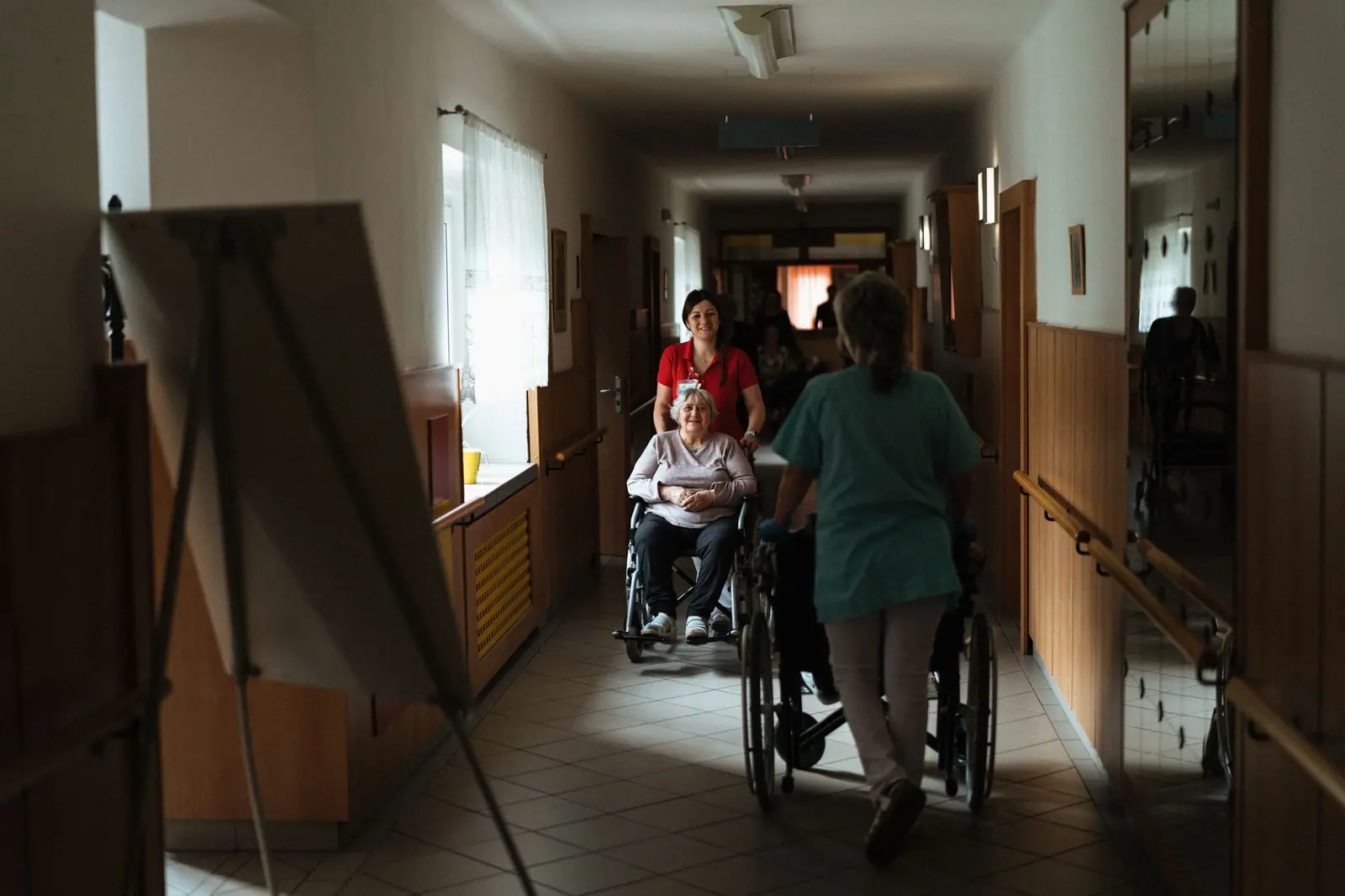
Ageing is not just a burden on social systems but also an opportunity, the minister said. Speaking about long-term care and the network of social services, she said care must come on time, be accessible, be good quality and be as close to people as possible.
"Caring for people is, above all, an investment," Efremova said.
In recent years, hundreds of new social services have opened across Bulgaria, and existing services for older people have been upgraded with EU money and funds from the Recovery and Resilience Plan.
The gaps between regions and depopulation mean the state, local authorities and business need to work together, the minister said, so people in the regions have the chance to find work, get ahead and reach good public services.
"Demographic policy isn't about numbers or statistics. It's about people," Efremova said in closing.
A few days earlier, Efremova took part in a discussion of the report by UN secretary-general António Guterres on progress in the social and solidarity economy. The discussion was held during the 81st session of the UN General Assembly in New York.


Comments (1)
Наталия Ефремова… наистина ли? Кога ще разберем какъв е планът ѝ, а не просто да говори за "застаряване"?