
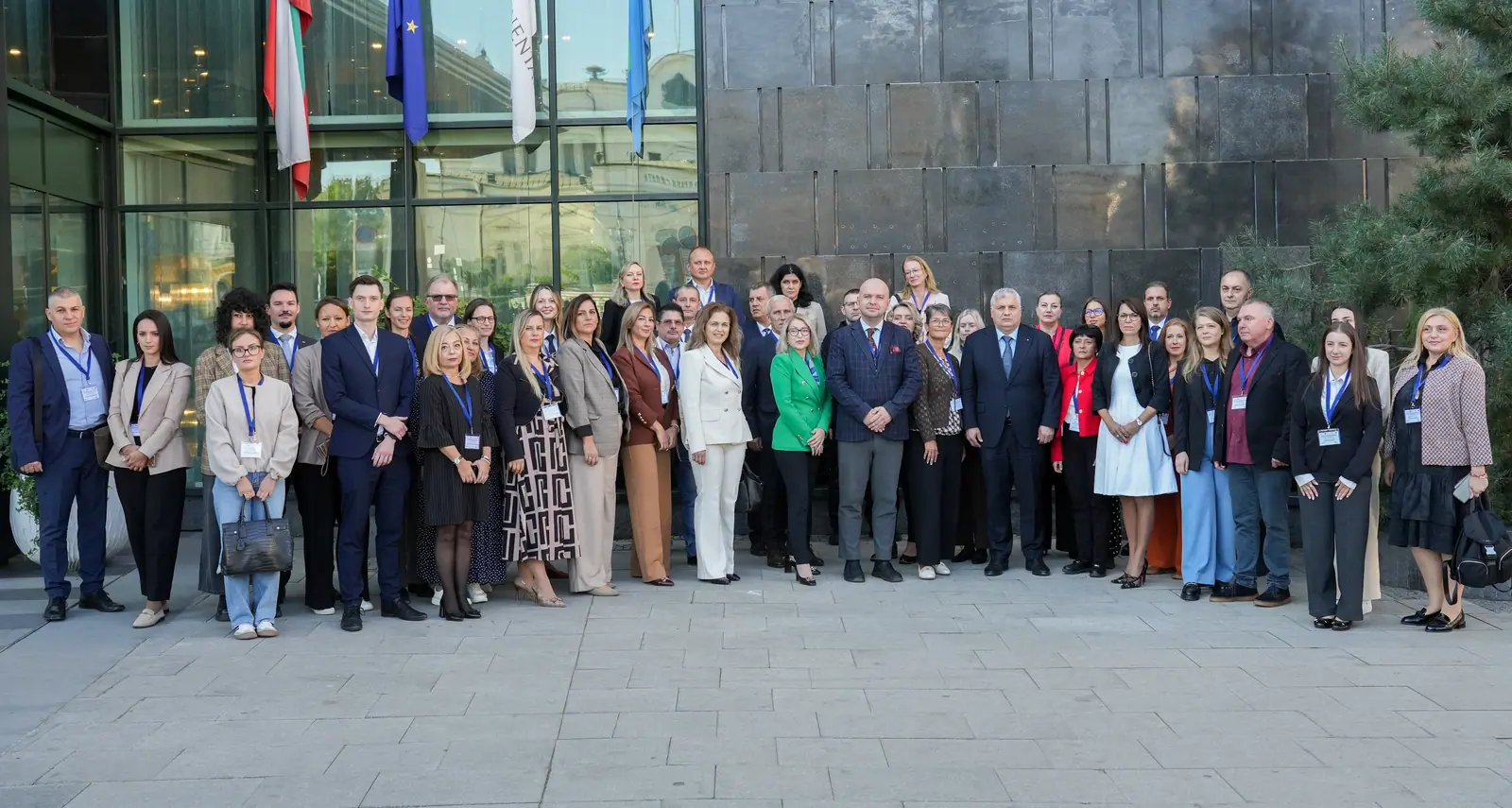
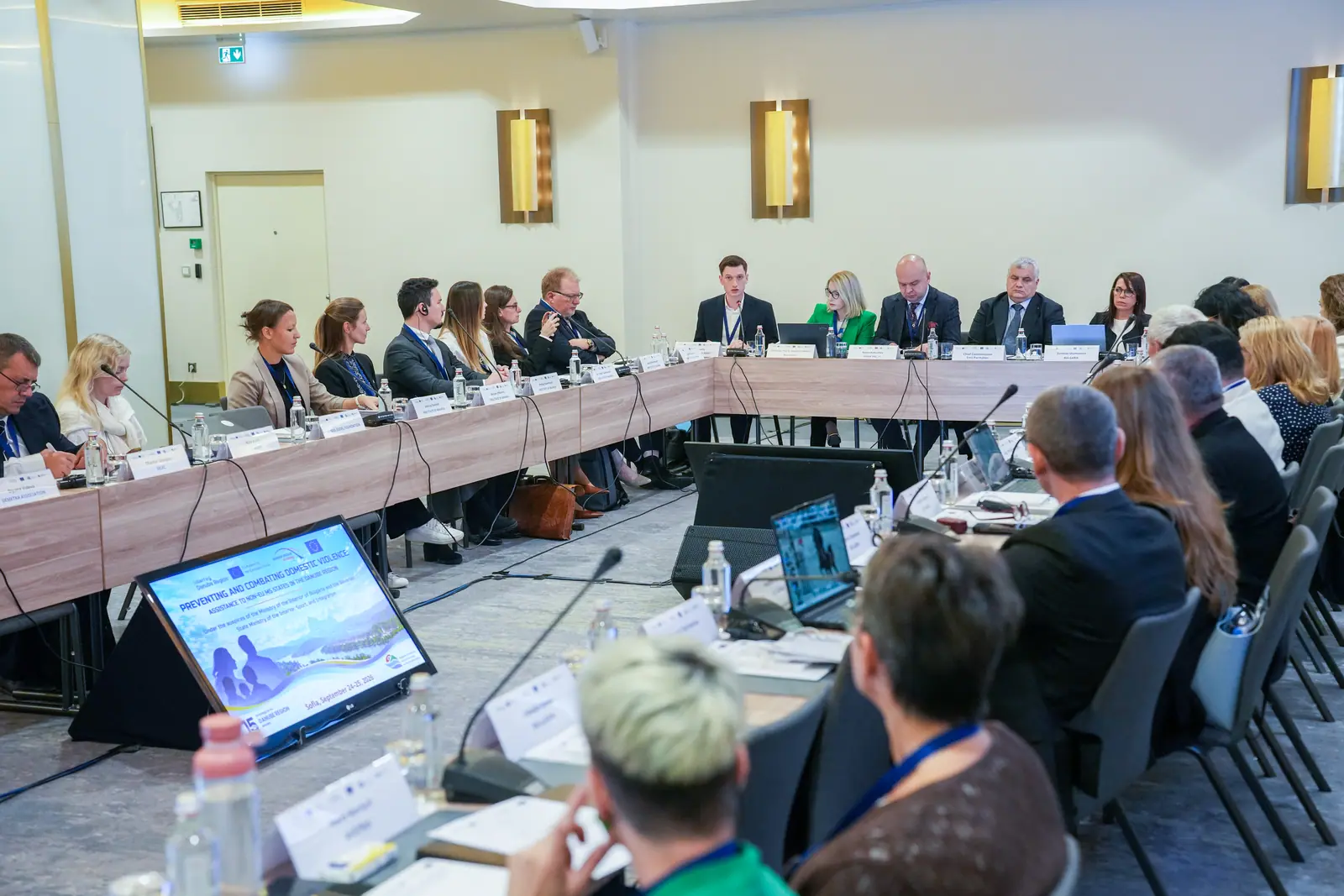
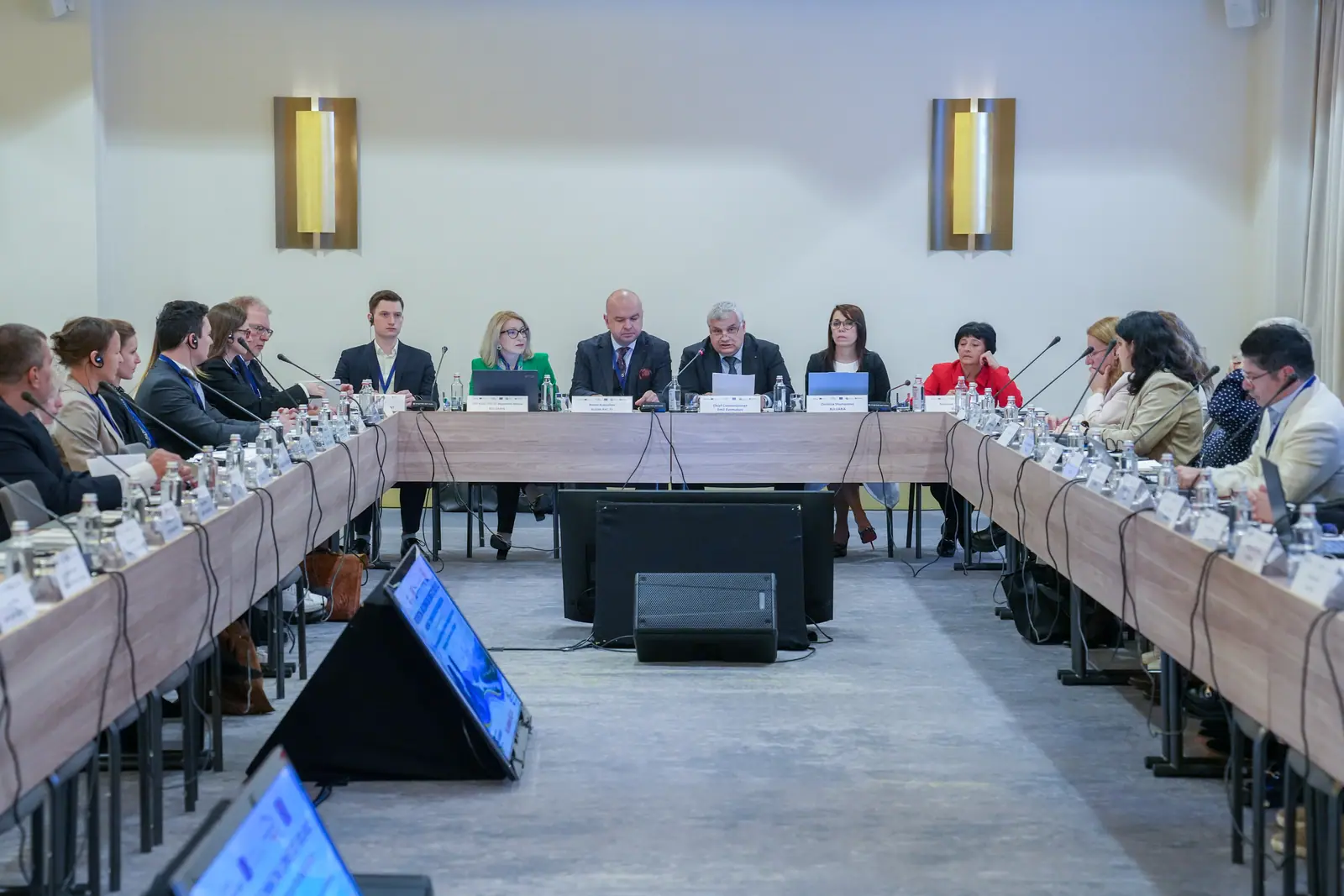
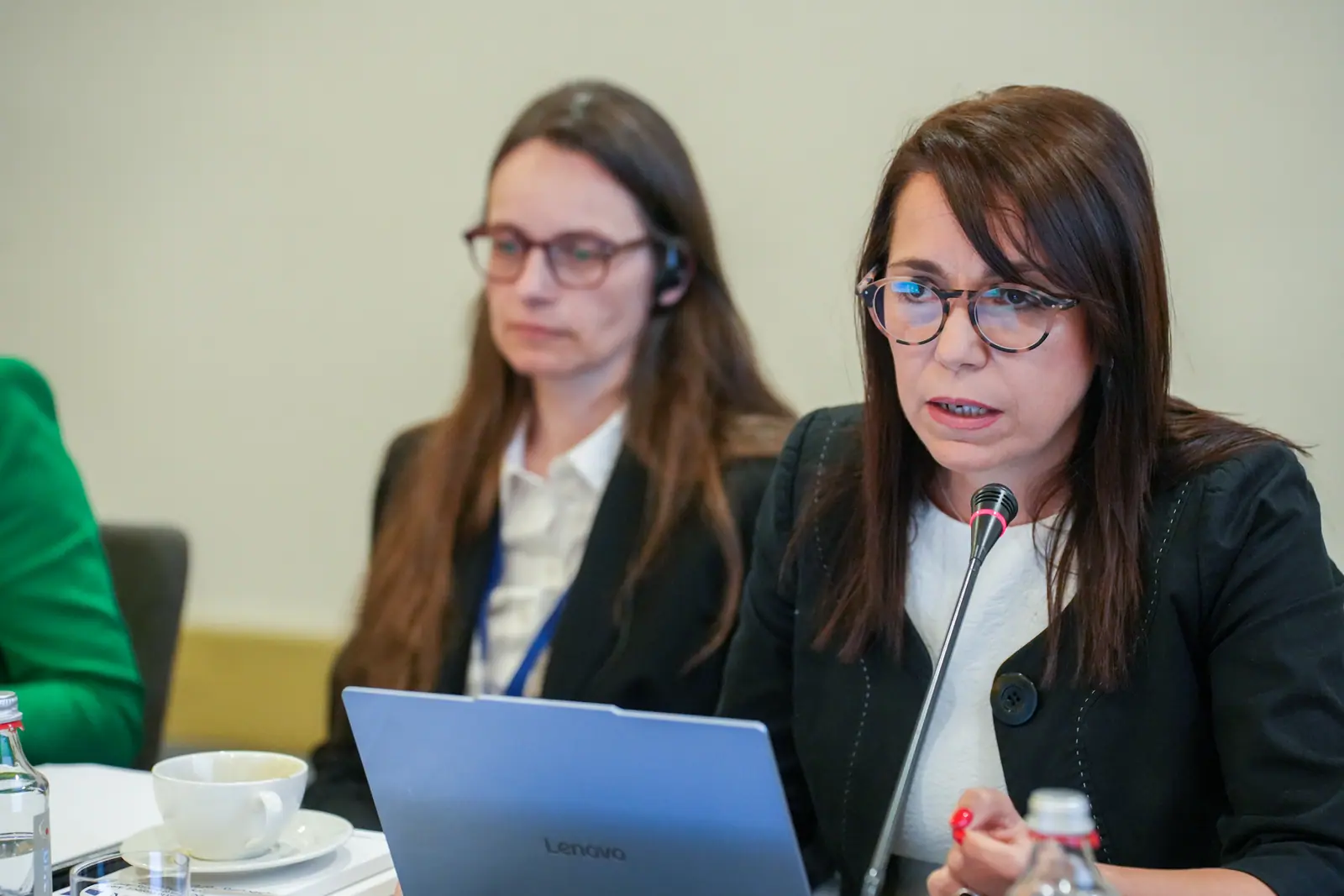
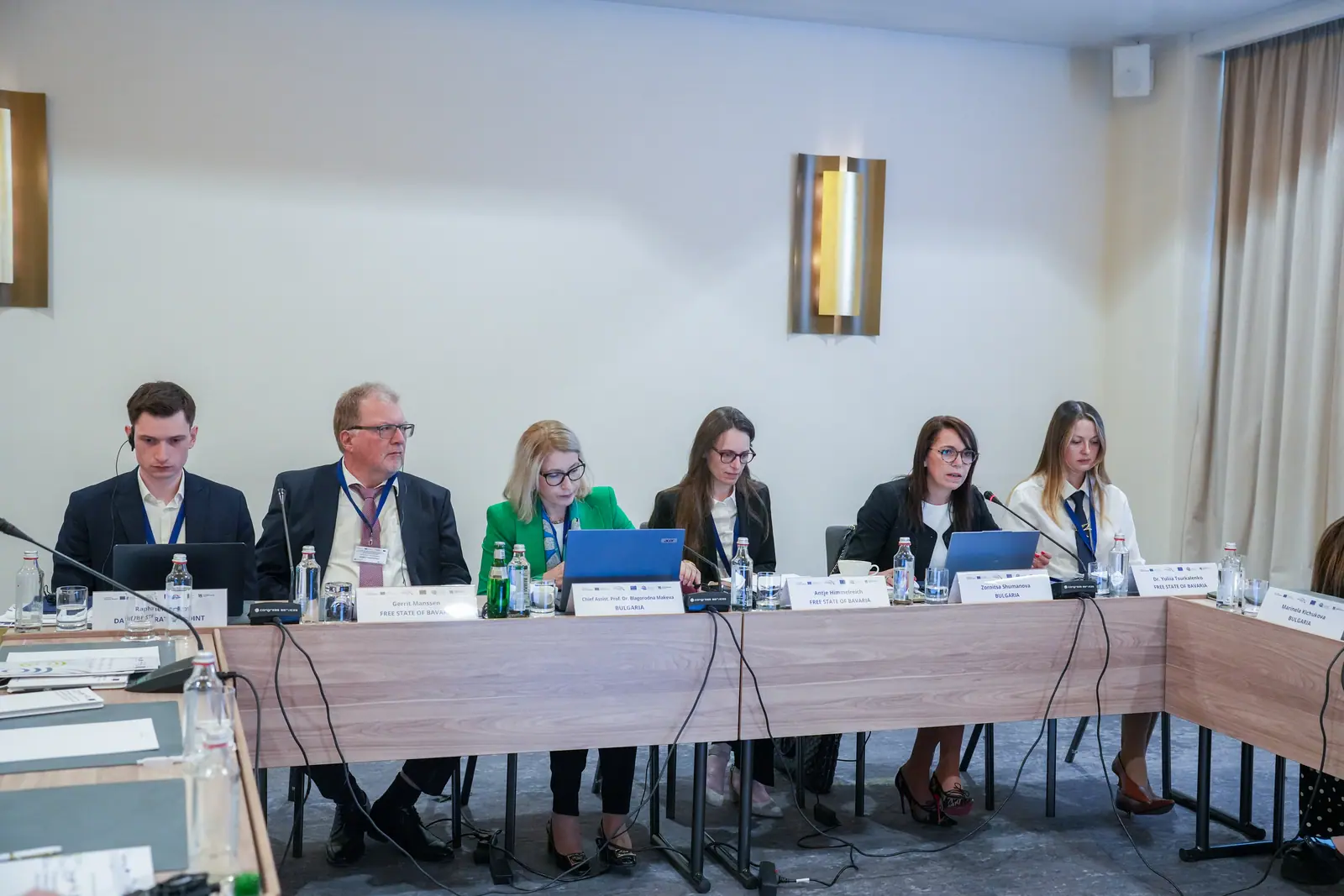
Officials from 11 countries in the Danube region met in Sofia for an international workshop on preventing and fighting domestic violence. The event is part of Bulgaria's presidency of the EU Strategy for the Danube Region.
It was organised by the interior ministry's directorate for EU and international cooperation, together with the national police and the interior ministry's academy. Bavaria's interior ministry also helped organise it.
Participants shared experience and good practice on spotting risk early, protecting victims and stopping repeat violence. They discussed the legal rules and how institutions should handle domestic violence cases, along with how investigations work and how victims get support. They also looked at how police, courts, state and local bodies and non-government groups work together.
"Domestic violence does not stop at borders. The challenges we face are similar across countries," chief commissioner Emil Parmakov, head of the national police, said when he opened the event.
Parmakov said domestic violence is a serious problem that hits people's safety and public order directly. He said prevention, spotting risk early and good coordination between institutions matter a lot in tackling the problem.
"Sharing experience and good practice with other countries is an important way to improve how institutions work and to find effective ways to prevent and manage risk," he added.
Chief inspector Zornitsa Shumanova, head of the domestic violence unit at the national police and the interior ministry's national coordinator on domestic violence, explained what her unit does. It coordinates and advises police work on domestic violence cases at regional and local level.
Shumanova explained what happens when 112 operators, police duty desks and police teams get a call about domestic violence. She also spoke about how the interior ministry, state bodies, local authorities and other partners work together to prevent violence, protect victims and manage risk in such cases.
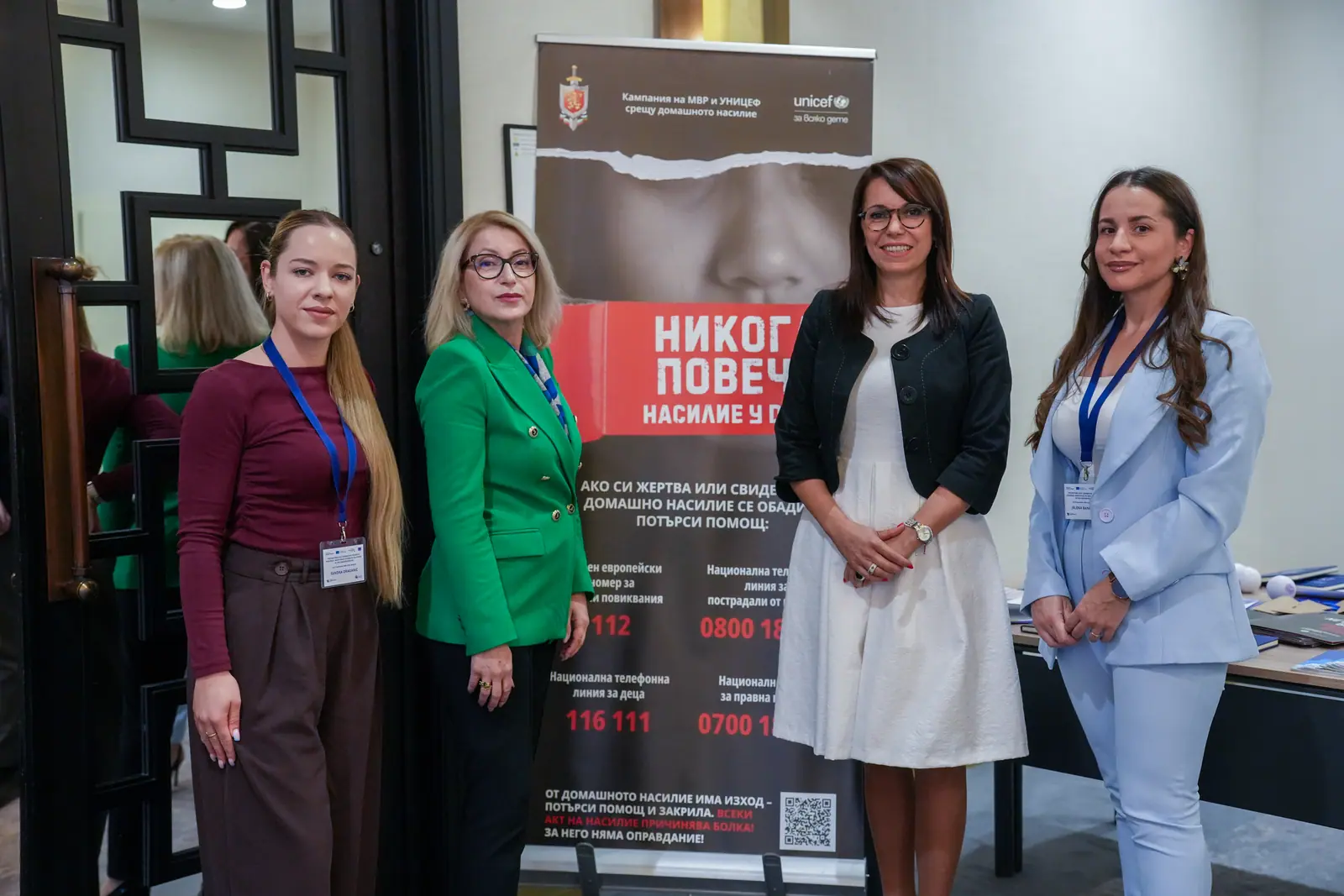
The workshop also presented the national programme for children called "Violence is Weakness". It started as a pilot in five schools in Sofia and is now part of the education ministry's catalogue of training programmes. It aims to teach children early about violence and how to ask for help.
Dr Blagorodna Makeva, from the police faculty at the interior ministry's academy, led the discussion at the workshop. She set out Bulgaria's legal rules on tackling domestic violence and explained which institution is responsible for what in such cases.
The workshop brought together officials from Austria, Bosnia and Herzegovina, Germany, Hungary, Montenegro, Moldova, Romania, Slovenia, Slovakia, Serbia and Ukraine. Representatives of the European Commission also attended, along with experts from the national police, the interior ministry's academy, the ministry's institute of psychology and the national 112 system directorate.
Among those taking part were officials from the supreme cassation prosecutor's office and the national legal aid bureau. Also present were the national coordinator for the Danube Strategy at the regional development ministry and representatives of non-government groups.
Коментари (0)
Все още няма коментари.