
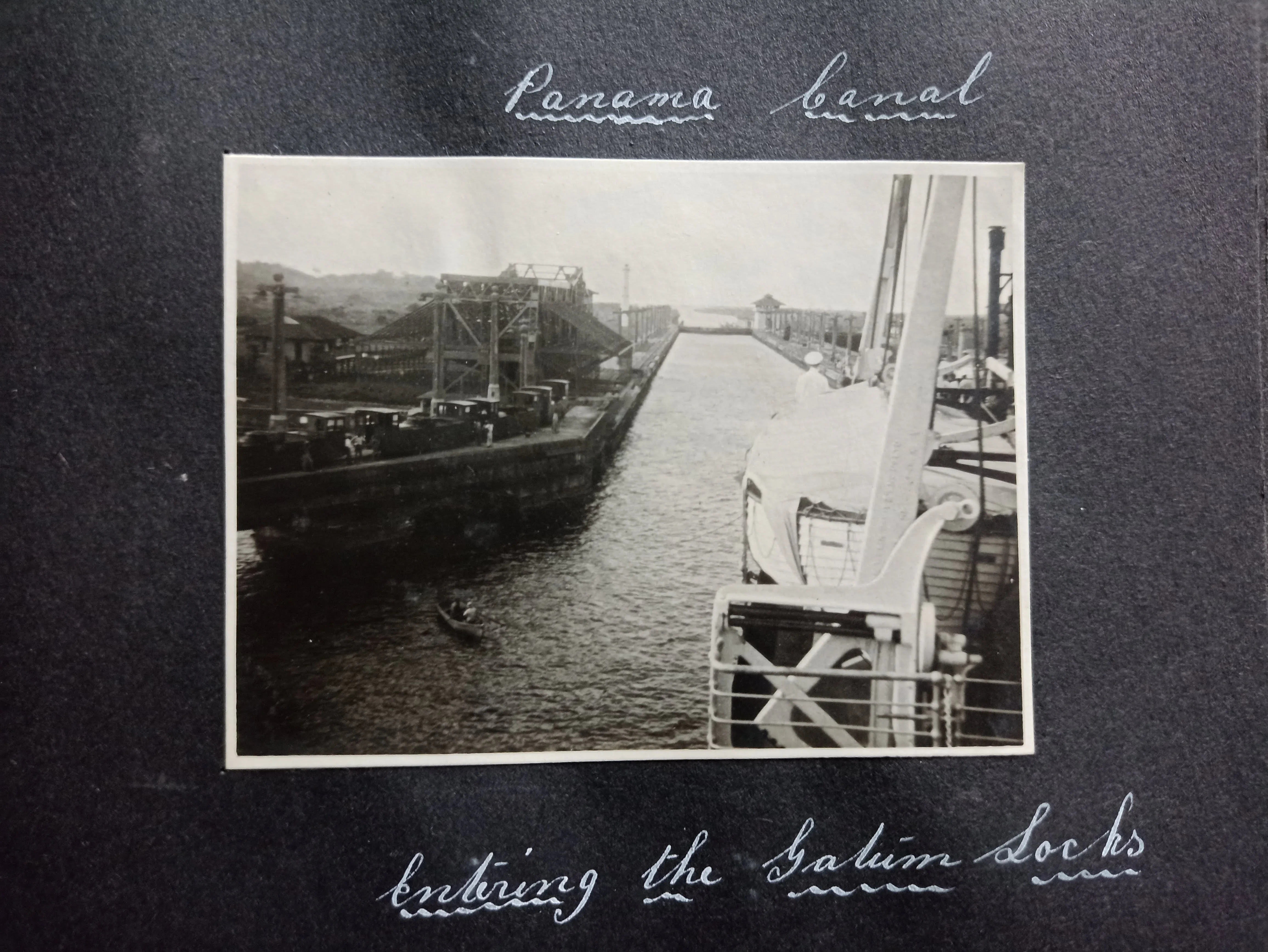
Panama Canal: The Revolution That Changed World Trade
August 15 – the day the seas connect
111 years ago, on August 15, 1914, the world witnessed a landmark engineering triumph: the first ship – the steamship «Ancon» – passed through the newly opened Panama Canal. This connected the Atlantic and Pacific Oceans and began a new era for international trade, logistics, and development that also influenced Bulgaria.
History and Challenges
- Plans for a canal through Central America emerged as early as the 16th century;
- Implementation began only at the end of the 19th and beginning of the 20th century – initially as a French, then an American project;
- The canal was completed after battling tropical diseases, technology, and difficult terrain – thousands of workers lost their lives, and the engineering risk was enormous;
Reasons and Consequences of Construction
- Dramatically reduced transportation time for goods – no need to sail around South America and Cape Horn;
- Creation of new routes between Europe, Asia, and America – a boost for industrialization and access to new markets, which Balkan countries, including Bulgaria, also benefited from;
Strategic and Economic Significance
The canal's opening developed Panama's economy, changed the global balance of influence, and motivated a revolution in transportation technologies. Global connectivity thus became a reality, and trade growth impacted industrialization and developed relationships in Europe.
Lessons for Bulgaria and the Modern World
Today, the Panama Canal remains a key artery of the world economy. For Bulgarians, it is a symbol of mutual dependence, innovation, and overcoming boundaries – every transportation revolution, no matter how distant, brings effects for us.
Conclusion
The Panama Canal is not just a geographical achievement, but a lesson in human perseverance, engineering thought, and globalization. A century later, its story continues to inspire – from the Black Sea to the world's oceans.


Comments (12)
брутален факт! ептем как са оправили логистиката по тва време
Гиополитическа бомба! САЩ прекроиха света с този канал.
абе, супер работа - 80 км пряк път, спестяват се купища време! 🚢💨
Леле, един прекъс между две морета! 🚢💨 Инженерно чудо, не друго! 😁
Абе, ннаправо геометрия на бизнеса! 🚢✂️ Скъсяват пътя с 8000 км, какво повече?