
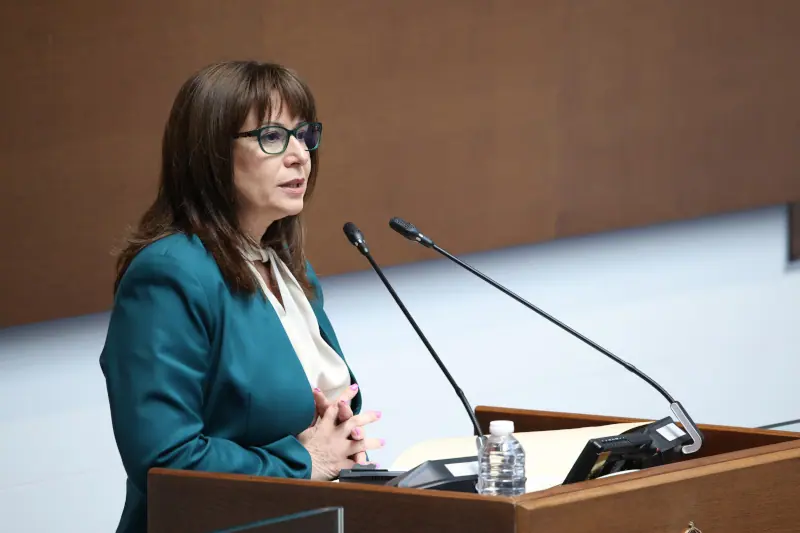
There's still no formula for setting the minimum wage, and no one knows how much weight each of the four criteria will carry or what the final figure will be, says ombudsman Velislava Delcheva. Recent changes to the labour code bring in a new way of setting the minimum wage.
Those details have been left for later, she says, and that worries her. Her fear is that lawmakers won't decide how much weight the criteria get and what values they take — parliament should have the final say.
Delcheva asks how the government arrived at 660 euros, the minimum wage now being discussed for next year. She hopes lawmakers will recalculate and adjust the figure between the bill's first and second reading. She also pointed to loan costs, which have risen by more than 300 euros for borrowers.
Her office has received around 12,000 complaints, a record. Most concern consumer loans. As usual, there are also plenty of complaints about consumer services, mainly problems with water utilities and district heating companies.
On water, Delcheva says change has to start with the law, but new laws alone won't fix the problem. Regulators, she says, also need to check more strictly whether water companies are actually carrying out their investment plans.
Neither Sofia's district heating company nor the government has said whether it will do anything about the compensation issue.
Delcheva says she'll back any tougher rules on e-scooters, because the current law isn't being enforced. She wants every e-scooter registered and riders required to hold a licence. She's also calling for higher fines for parents who let their underage children ride in breach of the rules. Almost 500 children have been injured riding e-scooters.
On fuel prices, the ombudsman says she hasn't received a single complaint.


Comments (0)
Все още няма коментари.