
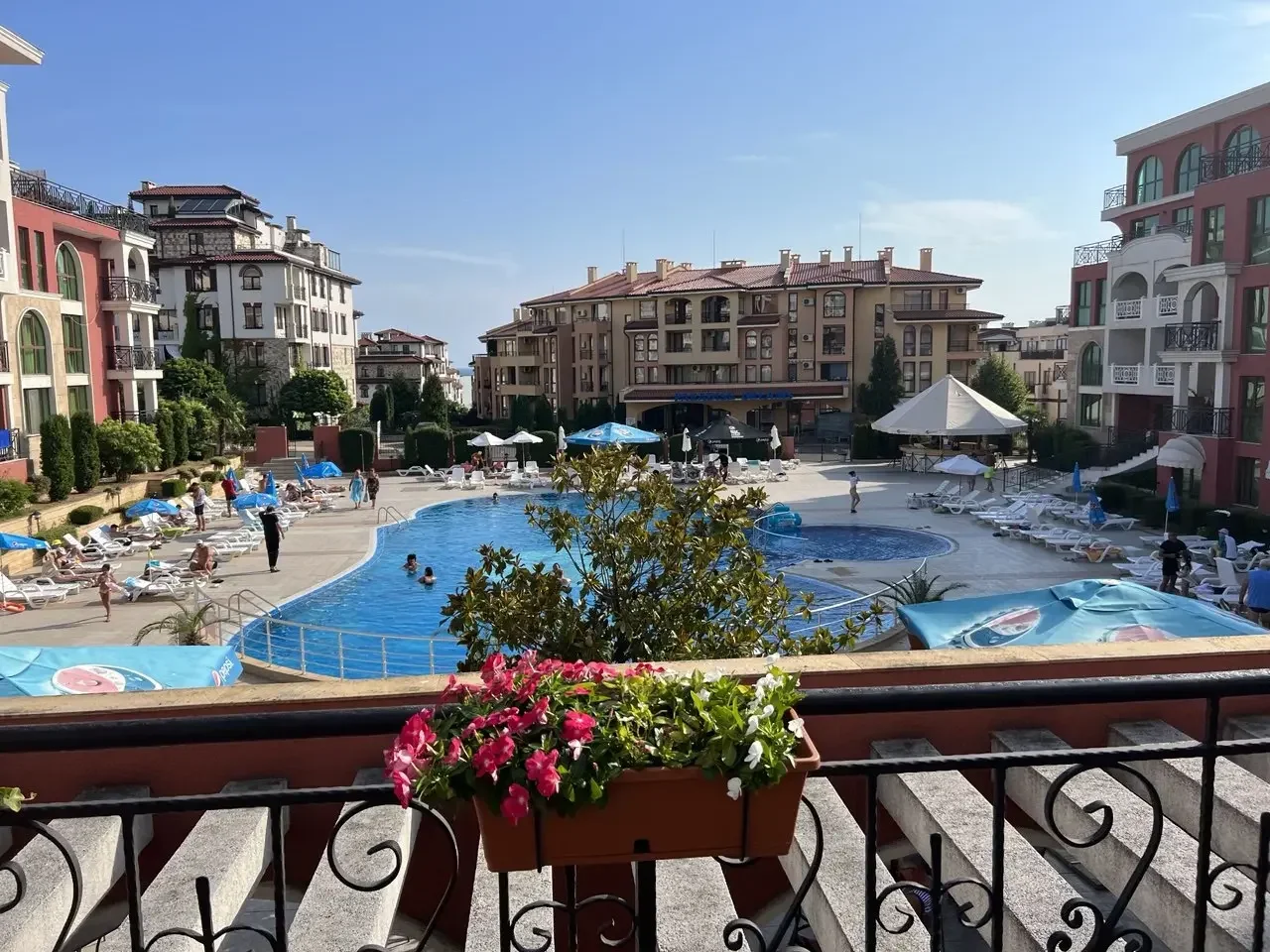
The short-term rental market in Europe is entering a decisive phase: from May 2026, a new EU regulation on short-term accommodation will come into force, which fundamentally changes the way platforms like "Airbnb" and "Booking" work with vacation properties. The goal is clear – to fill the "tax and regulatory holes" that have for years allowed a gray segment of the market to grow at the expense of local residents and the hotel business.
What the new EU regulation provides
The new regulation does not ban short-term rentals, but introduces uniform rules for the collection and exchange of data on short-term accommodation throughout the EU. Each member state must build a "single digital entry point" through which platforms will submit monthly data on the activities of hosts – the number of overnight stays, guests, address and registered capacity.
A key element is the mandatory digital registration of properties in areas where there are local rules for short-term rentals. The owner receives a unique registration number, which must be visibly present in every online advertisement. "No registration, no ad" – platforms are obliged to check the number, block properties without it and remove offers that use false or non-compliant identifiers.
The European Commission emphasizes that the new rules will not decide for cities where short-term rentals are allowed, but will provide tools for the real implementation of existing local restrictions. Brussels does not introduce an overnight stay ceiling, but makes it easier for municipalities to find and sanction properties that circumvent the rules.
Why "Airbnb" and "Booking" are under pressure
Over the past decade, short-term rentals have gone from a niche segment to a mass phenomenon, which in some cities already accounts for up to a quarter of all tourist overnight stays. This has led to a rise in rents and housing prices, depopulation of central districts and conflicts between local residents, municipalities and platforms.
Some countries and cities did not wait for the new European legislation, but took their own, much stricter measures. Spain ordered "Airbnb" to remove tens of thousands of listings that do not have valid licenses or use fake numbers, and imposed multi-million dollar fines for advertising prohibited properties. Analysts see this move as a rehearsal for the upcoming implementation of the pan-European regulation.
The new EU rules transfer part of the responsibility for compliance with local legislation directly to the platforms: they must not only collect registration numbers, but also check them and stop advertisements that do not meet the requirements. In case of systemic violations, sanctions are provided for the platforms as well, and not only for the individual hosts.
Which ads are most at risk
Properties in large tourist cities and sensitive housing markets – Barcelona, Lisbon, Amsterdam, Paris, Rome, Athens, but also resorts along the Mediterranean and Atlantic coast – are under the strongest pressure. It is there that the local authorities are most actively introducing limits on the number of rental days, licensing requirements, a ban on short-term rentals in certain areas or an obligation for the owner to live in the property.
The new regulation gives municipalities easier access to the data they need to apply these restrictions. Thus, thousands of ads that have so far "floated under the radar" – without registration, with an incomplete address, with a foreign license or disguised as "private sharing", will have to either come to light, or disappear from the platforms.
Apartments in central parts of large cities, rented out all year round as "aparthotels" without the necessary licenses are particularly vulnerable; dwellings formally registered in the name of individuals, but practically managed by professional companies; as well as ads that intentionally omit the exact address, floor and capacity.
Brussels' argument: protecting the housing market
European institutions motivate the regulation with the need to balance between "the positive contribution of short-term rentals to tourism" and "the pressure on the affordability of housing for local residents". In many cities, rents and property prices are rising faster than incomes – young people and key professions are finding it increasingly difficult to live where they work.
"The new legislation will allow local authorities to better apply the rules for vacation rentals so that housing remains accessible to residents" – summarize participants in the debate in the European Parliament. The goal is not to "kill" the sector, but to put a brake on the uncontrolled transformation of entire neighborhoods into "hotels without a reception desk".
The decision to start with tax and registration rules, rather than direct bans from Brussels, is a compromise: cities retain the right to decide whether to restrict the number of overnight stays or short-term rental areas, and the EU gives them a tool to see the real picture and prevent violations.
What does this mean for hosts and small investors
For individual hosts – owners of one or two properties – the new rules bring more bureaucracy, but also more clarity. Once they have registered their property, they will have official status and a more stable legal framework, as long as they comply with local restrictions on the number of days and the safety requirements, such as fire protection systems and insurance.
For small and medium investors who have bought apartments with the idea of short-term rental, the risk is greater: in cities with an aggressive policy against the "touristification" of the housing stock, part of the business models may turn out to be unprofitable or outright illegal. Similar signals are already coming from Spain, Italy and Portugal, where local authorities combine licensing regimes with areas in which new tourist registrations are almost not issued.
Experts advise owners to do a "regulatory audit" of their properties – to check the local rules, to assess whether short-term rental can be transformed into medium-term or long-term, and to assess whether it is not more reasonable to diversify their portfolio.
How "Airbnb" and "Booking" react
"Airbnb" has been under pressure for years to share more data with the authorities and is already participating in initiatives to provide aggregated statistics on the number of guests and overnight stays. However, the new regulation obliges the platform to go further – to the individual level of the ads, registration numbers and addresses, which increases compliance costs and the risk of conflicts with hosts.
Publicly, the platforms welcome the "clear and predictable rules", because the fragmented legislation in different countries has so far created chaos. At the same time, they warn that excessive regulation can harm small hosts and reduce supply, which will ultimately increase prices for tourists.
One of the key practical issues is how platforms will verify the authenticity of registration numbers and how quickly they will respond to orders from local authorities to remove ads. Experience from Southern European countries shows that when the state decides to act firmly, tens of thousands of ads can be removed in days.
What follows after May 2026
From the spring of 2026, the member states and large platforms must have fully functioning, interoperable systems for registration and data exchange. This is only the first step – there is already a discussion about a possible "second generation" of regulations, which would move from data to directly restricting the volumes and locations of short-term rentals, if the housing crisis continues to deepen.
You may also like


In this context, vacation properties remain a profitable, but increasingly regulated asset. Owners who are willing to play by the rules – to register, to declare real data and to comply with local restrictions – will remain on the market. Those who rely on "gray areas" and anonymity will probably see their ads on "Airbnb" and "Booking" removed – sometimes literally overnight.
Коментари (101)
real_angel
31.03.2026, 14:57Абе, хора... пак ле?! Сега и с тези апартаментите ни закачат! 🤦♂️
brzeos378
31.03.2026, 14:59Ахах, real_angel, баси, прав си... пак ле. 🤦♂️ Не знам к'во очакваме вече. Все едно ни правят експеримент! Разбирам идеята - да има някакъв ред и да не се превръщат кварталите в тематични паркове с туристи, ама чакай малко... Да не би просто да няма достатъчно места за живеене?
coyxb525
31.03.2026, 14:59Абе, сереозно?! Как може да се оплакваш, като говорим за законност
Vasil85
31.03.2026, 14:59Ама бре, real_angel, к'во го казваш? Браво на ЕС! трябше отдавна да се
super_hero667
31.03.2026, 15:01Абе, как да не ги закачат, бе? Всеки си прави каквото иска, нали? После - кой ще им чисти след тях... Добре е, че нещо
Дичо
31.03.2026, 15:02Евала за Дилов, прав е човека! Накрая ще се оправи работата. Ама real_angel к'во ревеш бе? Да си гледаме законите и да ги спазваме, а не да се мажем с тия незаконни "апартаменти за гости". Тва са пари, дето не са спечелени честно, нали разбираш?! Европа е такава - държи на
Дилов
31.03.2026, 15:02абе хора, видя ли новината? това за airbnb и booking-а е яко нещо! накрая ще им дойде акъла на тия, дето си правят бизнес с незаконни къщи и апартаменти, нали така?
CE6267
31.03.2026, 15:04Абе Дилов, напълно си прав! Браво на ЕС за тази стъпка! Накрая ще се оправят нещата! мн години хората си мислят, че могат да си правят бизнес с каквото поискат, без да спазват правилата. Ама хайде сега, нормална държава ли сме или не?
Луд_Софиянец
31.03.2026, 15:04Абе, Дилов прав си 100%! Накрая ще се разкара този канон с "нередовните" къщи. Честно казано, все едно живеем в курорт, а не в
bg8@bg
31.03.2026, 15:05Дилов, съгласен съм с теб донякъде, ама трябва да се помисли по-добре! Разбирам идеята – да оправим този хаос с незаконните къщи, че някои квартали наистина са се превърнали в хотели и местните хора не могат да си намерят жилище. Но това регламентиране… сякаш го правят за да ни тормозят!
mega_angel2
31.03.2026, 15:06Ей Дилов, прав си 100%! Накрая някой трябваше да им сложи спирачки на тия, дето си мислят, че могат да правят каквото искат с незаконни имоти. Сериозно, аз лично съм виждал как се "измиват" апартаменти в центъра на София и веднага ги пускат в Airbnb – без никакви разрешителни, данъци… Явно си мислят, че никой няма да разбере!
Болов
31.03.2026, 15:06Абе Дилов, верно си казал! Тоя регламент за Airbnb-то е супер важен! Накрая ще се оправи държавата ни, ако Европа ни помага да подреждаме нещата! Представяте ли си колко пари губи бюджета от тия, дето си прав
Mariya43
31.03.2026, 16:00Абе тва е супер ако! Накрая ще им дойде времето на тия, дето си правят милиони с "апартаменти за гости" без да плащат нищо – данъци, осигуровки… Голяма простотия беше! Сега поне ще има ред и контрол. Браво на ЕС, че се заемат със слуката! 🤦♂️
bcbs192
31.03.2026, 16:03Абе, сериозно ли сега? Толкова време чакахме нещо да се направи с тия "туристически агенти" дето си правят бизнес без никакви правила. Накрая ЕС ни спасява от нашите си! Дано да не
Georgi40
31.03.2026, 16:42Абе, хубаво е, че ЕС се захващат със закона, ама дано не стане като с другите "реформи" - мн говорене, малко резултат. Да видим дали наистина ще има контрол и как ще се
super_legend
31.03.2026, 16:46Яко... Дано наистина да има резултат, бе! Тоя Георги40 прав е, 🔥
Georgi22
31.03.2026, 17:12Ах, пак нещо се подготвя... Дано наистина този регламент да доведе до повече справедливост. Много народ спекулира с тези къщи за гости, особено 😜
915D48DB08
31.03.2026, 17:14абе георги, наистина ли чак сега се сетиха? 🤦♂️ дано този регламент не е просто поредната бюрократична спънка, а реална мярка за справедливост. сериозно, как можеше да се стигне дотук - всякакви "инвеститори" отвсякъде да си купуват имоти, да ги пускат в airbnb и booking, без никакъв контрол? не е
user117@abv
31.03.2026, 17:15Абе, Georgi22, напълно си прав! Дано да е за добро, ама аз съм малко скептичен, признавам. То хубаво, че се прави нещо, но дали наистина ще има справедливост и контрол – предстои да видим. Познавам хора, дето буквално
gosho398@eu
31.03.2026, 17:15А бе, Georgi22, сереозно ли? Как можеше да си го позволим досега – все ня
xhrwrx66
31.03.2026, 17:16Ахаха, Georgi22 прав си! И аз съм за повече справедливост. Наистина е малко скандално колко мн апартаменти се отдават под наем без да плащат данъци и да спазват правилата. Тоя регламент на ЕС май наистина може да оправи нещата, ама дано не стане прекалено строго за хората, дето си докарват
Вано
31.03.2026, 17:16Евала на ЕС! Най-сетне някой да се захване със здравето на държавата ни.
ivan759@abv
31.03.2026, 17:17Абе, наистина ли?! Пак ли трябва ЕС да чисти след нас? Не може ли веднъж държавата ни да се захване с нещо качествено и да подреди тия апартаменти за гости, които са повече от хотели?! Нали все говорят за инвестиции в туризма, ама така не става – един хаос. И какво ще стане с малките собстве
Dimi17
31.03.2026, 17:21Абе, Иван, прав си! Ама какво да правим? Трябва някой да ги държи на орта 🇧🇬
Бослав
31.03.2026, 17:19Абе хора, вие говорете… ама аз какво виждам на улицата? Виждам къщи, които се продаваха за "инвестиции" преди 2-3 години, сега ги дават под наем в Airbnb и Booking. И то не като нормални къщи за гости, ами като някакви комерсиални хотели! Хората не могат да си намерят жилище, цените скачат до небесата, а тия си правят парички с туристите
pavfdd778
31.03.2026, 17:20Абе, Баслав, прав си за къщите. Наистина така е. Видях един познат да продава нещо като вила в Банско преди 2 години - говореше за "инвестиция", за "доходи от наем"... сега я пусна в Airbnb и гледа как ще се обогатява. И какво, нормалните хора дето искаха да си купят дом там, сега к'ви са? На къде отиват цените 😅
Дико
31.03.2026, 17:20евала на ес! накрая някой да се сети за нас обикновените хора, бе! тва с тия апартаменти
dark_hero
31.03.2026, 17:21ясно, бослав! точно тва казвам и аз! 😅
0EC5E21914
31.03.2026, 17:24абе, бослав прав си напълно! виждам го и аз. тази "инвестиционна яма" с airbnb-то се превърна в истински проблем за хората. купуват се апартаменти/къщи не да живеят в тях хора, които работят, учат, отглеждат деца - ами за да ги пускат под наем на туристи! цените на жилищата скачат, нормалният пазар се изкривява и кой страда? обикновеният човек. 🇧🇬
6FA35BD7
31.03.2026, 17:42ех, пак ли евробюрократите? истината е, че без ред в тая бъркотия
Ivan2
31.03.2026, 17:46абе, брато, правилно е! да има ред, бе хора! тва с апартаментите за туристи стана хаос - всеки си прави квото иска, без да мисли за съседите и града ни. европа помага
Vasil62
31.03.2026, 17:47Абе, вие се оплаквате от "евробюрократите", а какво искате? Да живеем в хаос ли?! Тези къщи за гости без лиценз, които крадат поминъка на
Вако
31.03.2026, 17:43Ей, хора! Четох коментарите и съм съгласен с повечето – доста е неприятно, като видя колко много апартаменти са се превърнали в "хотели" без никаква регулация. Аз лично мисля, че този регламент на ЕС е абсолютно необходим. Не казвам, че не трябва да може човек да си дава жилището под на
yvsv622
31.03.2026, 17:44Абе Вако, пич, напълно прав си! Честно! То вече е абсурдно какви "хотели" са набутани в блоковете, ей Богу! Аз самият се опитвам да си намеря апартамент под наем и гледам – само туристически обяви. Нормален човек не може ДА си докара мирна вечер.
Млад_Софиянец
31.03.2026, 17:44Абе Вака, браво за мнението! Точно така е! Трябва ред в тая държава, бе! Иначе ще стане като в Москва - само бетонни
Stoyan84
31.03.2026, 17:46Абе Вако, прав си! Напълно прав! Тоя Airbnb стана по-голям проблем от циганите в квартала, к'во да праим? 😂
Димир
31.03.2026, 18:41Абе, баце, верно е това, дето Бослав го казва. Градът ни става като паркинг за 4ужденци, а нормалните хора – к'во да ги правим? тряб ред, ама
super_wolf
31.03.2026, 18:43Абе Димир, разбирам те напълно! Наистина се чувстваме малко изгубени понякога с тия промени, ама аз гледам на нещата от друг ъгъл. 🇧🇬
mega_master339
31.03.2026, 18:46Абе, Димир, верно си прав. Тоя град наистина става все по-странен – чужденци навсякъде, а местните… к'во да кажа? Ама, баце, нали знаеш ли – не е само туй. Нали видя какво стана в Украйна? Русия си играе с огън и се опитва да дестабилизира всичко. И тези къщи за гости, и тия "Airbnb"-та… всичките са част от едно голямо нещо.
FA56ED
31.03.2026, 18:49Абе, сериозно?! Пак ли трябва да ни "спасяват" от Брюксел?! Не го разбирайте погрешно – Европа е важна за нас, ама чакай малко... този регламент наистина ли е решението?
Прав_Бургазлия
31.03.2026, 18:52Абе, FA56ED, к'во говориш бе човек? Разбирам те напълно, все едно ни държат за яката оттам. Ама виж сега – тоя регламент пак 💩
Vasil3
31.03.2026, 19:21Европейските правила са нужни за ред. Трябва ни баланс – да се подкрепя
zaiqof776
31.03.2026, 19:24Абе Васил, прав си, ред трябва да има, ама тва с баланса... винаги е сложен въпросът. Ама наистина ли искаме да се върнем към старите номера – апартаменти без регистрации, хора, дето си правят бизнес на гърба на закона и плащат по-малко данъци? Не мисля
bjgva229
31.03.2026, 19:32европейските правила са важни, за да има ред и честна конкуренция, а? не е ли време да се сложи
bxkyl155
31.03.2026, 19:33Евала на ЕС! Навреме е да се подредиха тия "бизнесмени" дето си правят милиони от апартаменти, без да плащат данъци и да спазват законите
Petar5
31.03.2026, 19:36абе, bxkyl155, прав си на 100%! евала и на теб, и на ес! но все пак... "навреме е да се подредиха тия бизнесмени"? май точно това се опитват да направят, ама к'во да видя? всеки се оплаква, че било прекалено, че убивали бизнеса.
18D6CA
31.03.2026, 19:40Хм, интересно... Този нов регламент звучи доста сериозно. Наистина ли ще доведе до повече ред и честност на пазара за краткосрочни наеми, или просто ще създаде допълнителни главоболия на хората? Мисля, че е добре да има контрол, защото наистина много апартаменти се отдават под наем без никакви регистрации и данъци – това не е честно нито към другите бизне
Georgi26
31.03.2026, 19:41абе хора... какво да ви кажа аз. да, разбирам притесненията. все едно тия от брюксел не спират да ни забъркват във все повече закони, аман! но трябва да се замислим и друго - колко "честни" бяха тия апартаменти, дето ги даваха под наем без регистрация? да плащаш данъци е работа, ама да го правиш с кротък дух, не като че си някакъв контра
rawbat262
31.03.2026, 19:41Абе, нормално ли е да има хора дето си изкарват х 😁
Добър_Българин
31.03.2026, 19:44Абе, тва с регулациите на ЕС е яко нещо, да си гледаме нашите интереси и да се разви
Vasil28
31.03.2026, 19:44абе, нормално ли е да се живее на безпредел? трябва ред, хора! и европа помага
Прав_Бургазлия
31.03.2026, 19:46Абе, rawbat262, к'ви хора деба! Честна работа, разбирам – има си и такива, дето се опитват да хвърлят някакви съмнителни обяви в аирбиенби-то за да изкараш бързо левче.
14FD5F3F59
31.03.2026, 19:58Абе, вие нормални ли сте?! Как може да се живее без правила, бе хора?! Да си харесваш държавата, ама да не плаща
dcmrw885
31.03.2026, 20:03ама наистина ли хората тука все още се правят на шокирани от правилата? честно казано, кой нормален ще иска да живее в хаос? тоя регламент може и да е малко бюрокрация, ама поне някакъв контро
Дишко
31.03.2026, 19:59абе, тоя регламент на ес май ще оправи доста неща, нали? сериозно, колко години търпихме тая ситуация с апартаментите, дето се дават под наем през airbnb и booking без никаква регистрация?! ясно е, че трябва контрол
rysuoeb777
31.03.2026, 20:20абе, това с регистрациите наистина ли ще оправи хаоса? или просто още бюрокрация и разправии ни предстоят? 🔥
Ивачо
31.03.2026, 20:24Абе, rysuoeb777, тва с регистрациите ще има ефект, кълна се! Просто трябва ма
Лош_Бургазлия
31.03.2026, 20:38Аааа, пак ли? 🤦♀️ Европейците винаги намират НАЧИН да усложнят живота! Но... честно
crazy_legend784
31.03.2026, 20:41Абе, Лош Бургазлия, кво значи "усложняват живота"? 🤦♂️ Ама хайде бе! Даваш апартамента си на някакви турци или руснаци за зимата, събираш кинтички и после се оплакваш, че ти било трудно да си попълниш едно нещо в интернет?!
Нидар
31.03.2026, 21:29Абе хора, викам си... разбирам хората, дето се оплакват, че "усложнявали живота". На всеки му е неприятно да попълва още едно нещо. Ама хайде да го кажем направо - тоя бизнес с къщите за гости и Airbnb-то стана малко цирк напоследък. Оня човек си дава апартамента, без да плаща данъци, съседът под него се тюхка, че има шум от туристите постоянно... И така навсякъде в България.
DDECE0
31.03.2026, 21:30Абе, сериозно ли? Дали наистина хората разбират какво става?! Този регламент е за доброто на всички нас, бе! Не може всеки да си прави каквото иска с имотите, без да мисли за съсе
24C7C8AB39
31.03.2026, 21:32Абе, Нидар прав си за тия формалностите - кво да го прави човек, нали все нещо трябва да се попълва. Ама верно е, че станаха майтап с тия Airbnb-та. Преди беше нормално, сега всеки втори дава апартамента си и никой не гледа дали плаща данъци или спазва някакви
Petar95
31.03.2026, 21:33Абе Нидар, прав си за шума и цирка, наистина стана малко безумно с тия къщи за гости навсякъде! Всеки си намерил начин да изкара някой лев от апартамента си, ама кой мисли за съседите? И за държавата, между другото. Данъци, регулации... нищо не се плащаше.
fan627@mail
31.03.2026, 21:33Абе хора, вижте сега! Тоя регламент на ЕС – браво! Накрая ще се оправиха нещата с тия "Airbnb"-та и "Booking"-ите, че станаха пълен цирк! Представяте ли си, живееш в един блок и всякакви чужденци всяка седмица се местят, правят си шум, а после никой не знае кой къде е бил. Никакъв контрол нямаше!
72086C3967
31.03.2026, 21:38Ами да... ЛОГИЧНО е нещо да се направи все пак.
inuvbot896
31.03.2026, 22:21Абе, виж сега... добре е, че се опитват да регулират тая работа с Airbnb-то. Честно казано, станаха хаос навсякъде. Даваш
Дичев
31.03.2026, 22:22Абе браво на ЕС! Накрая се взеха нещата в
Раслав
31.03.2026, 22:33мамка му! сега ли се сетиха да регулират тия airbnb-та?! да не би да ги е страх някой руснак да си купи цял хотел и да го използва за пране на пари, кой знае... ама сериозно, добре че правят нещо. стана пълна пародия – ходиш по софия и си в чужбина. всяка друга квартира е апартамент под наем
Petar78
31.03.2026, 22:35Абе Раслав, к'во значи "руснак да купува хотели"? Да не би да имаме такива проблеми? 😂 Сериозно, добре че ще регулират тия апартаменти под наем – станаха хаос! Всеки си прави хотел, няма контрол, данъци
Mariya68
31.03.2026, 23:33Евала на ЕС! Накрая някой се сети да сложи ред с тия Airbnb-та. Станаха като цигания - все тарикати! Дано да 😏
maria916@mail
31.03.2026, 23:38Абе, Марийка мн права! 👏 Дай да ги изчистят тия беззакония! Всякакви апартаменти се пуснаха в Airbnb, без проверки, без НИЩО... Съседите страдат, кварталите станаха
Милов
31.03.2026, 23:38Евала пак на Европа! Накрая почнаха да се захващат за нещата наистина, а не само да говорят празни приказки. То тая Airbnb-ска сган стана като пълно беззаконие - ходиш си в Българско и все чужден 😁
Млад_Бургазлия
31.03.2026, 23:39Абе, пак тия от Брюксел! Винаги намират нещо да усложнят. Добре е, че ще има контрол, наистина СТА
Рашко
31.03.2026, 23:41абе, млад_бургазлия, ставаш малко наивен ей! "добре е, че ще има контрол" – да де, ама кой го плаща после? тия от брюксел все си мислят, че знаят най-доброто за нас, но нали са далеч и не виждат какво се случва тука.
Petar8
31.03.2026, 23:52Ебати цирка! Сега ли се сетиха, че Airbnb-тата са проблем? Абе хора, тая Европа все едно да те хванат с пистолет в ръка след като си ограбил банката - "Аааа, ама сега ли ще ни глобявате?".
Ничо
01.04.2026, 00:41Абе, сериозно ли? И сега ще ни регулират и ваканционните имоти?! 🤦♂️ Т'ва защо пък трябваше да го правят, а? Не може ли просто да си живеем малко нормално и да си
adzx324
01.04.2026, 00:44Абе, Ничо, деба! Европа си върши работата -
bg962@gmail
01.04.2026, 00:50Хм... Интересно, наистина. А дали този регламент няма да удари повече по джоба на обикновения бълга
gosho79@bg
01.04.2026, 01:00аааа, европейска бюрокрация... ясно, значи сега ще ни регулират и как си харчим парите на морето! 🙄 да видим колко "редовни" са всъщност тия апартаменти, дето ги да
ivan549@bg
01.04.2026, 01:01Абе Gosho79, кво значи "как си харчим парите"? Нали за това сме в Европа – да има правила, че да не
Боно
01.04.2026, 01:03Абе, пичове, сериозно ли? Чета коментарите и съм леко шокиран от тази реакция! Разбирам притесненията за цените, наистина – все по-трудно е да си позволим почивка в чужбина, а сега и тук у нас може да стане още по-скъпо. Но нека не забравяме, че този регламент на ЕС *не е* просто някаква "натрапчива намеса" от Брюксел, както го изкарвате.
Stoyan61
01.04.2026, 01:32Абе, хоря, успокойте се малко! Чета коментарите тука и все нерви, нерви... Да, разбирам че хората имат притеснения – кой няма? Но да гледаме нещата по-широко. Тоя регламент на ЕС всъщност е добре, стига да го направим правилно.
379038
01.04.2026, 01:49Абе хора, к'во става с тая пукавина? Все едно някой ни вади зъби от устата! Тоя регламент за Airbnb... да, добре е на хартия, разбирам - трябва да има ред, все пак. Ама хайде сега, не може ли едно спокойствие да си докараме?
Истински_Бургазлия
01.04.2026, 01:52абе, я си мислех че само с тия руски тролове ще се занимаваме… сега и ес ни го окрадва! сериозно, пак ли? все едно трябваше да има закон за всичко. ще дойдат от брюксел да ни казват и как да 💩
Stoyan45
01.04.2026, 02:23Еееееее, пак ли?! Да идват тия от Брюксел да ни прав 😅
vrvxcdhp79
01.04.2026, 03:02Абе, пак ли тия от Брюксел?! 🤦♂️ Серио
bg210@eu
01.04.2026, 03:44абе, наистина малко прекалиха с регулациите! 🙄 но пък е
xccqyh822
01.04.2026, 03:46Абе, Bg210@eu казваш "малко прекалиха"? Малко ли?! Виж сега какво! Тия от Брюксел пак си мислят, че са много умни! Да, добре е да има ред, разбирам за кварталите, дето се превращават в хотели и хората не могат да си намерят място да живеят нормално. Но това, което правят – все едно искат да убият малкия бизнес.
cvbjwy888
01.04.2026, 03:57Абе, хора, хайде де! Сериозно ли се оплаквате?! Нали сме в Европа, нали искаме ред? Това с незаконните квартири беше ужасно – бяха го превърнали във вихър от самозабравили се собственици и туристи, които не знаят къде са. Сега ще има контрол, ясно е, че някои ще бъдат засегнати, ама това е за общото благо!
mbvvo958
01.04.2026, 04:58абе, нормално е да има регулации! не може все та
real_hero616
01.04.2026, 05:00Абе, наистина ли чакаме този регламент? Разбирам идеята за ред и контрол, че много хора си спекулираха с къщите под наем и създадоха хаос в някои квартали. Но дали е нужно толкова драстични мерки? Не се притеснявам толкова за законността, колкото за това как ще се отрази на малки
pro_angel
01.04.2026, 05:29Абе, сериозно ли? Пак някакви евро-регулации... Ясно е, че трябва да има ред, ама чак така?! Дано поне не опънат нервите на хората,
Dimi63
01.04.2026, 07:38Абе, вие сериозни ли сте? 😂 Пак ни "оправят
ivan387@gmail
01.04.2026, 08:50Абе, пак ли?! Да му е мамата на бюрокрацията. Ще ни направят на май
Vasil76
01.04.2026, 08:51абе, хора, к'во става тука? сериозно ли eu искат да ни регламентират и airbnb-то?! разбирам, че имало преразмериване на пазара, квартали са се превърнали в хотели – факт е, не отричам. но чак толкоз строги правила... не мисля, че това е пътят.
Истински_Реалист
01.04.2026, 12:12ееее, пак ли нещо ново? 🤦♂️ аз си мислех, че ще има малко спокойствие, ама уви! тоя регламент... добре де, разбирам – не може всеки да си прави хотел в апартамента и да си троши квартала с туристи. имало преразмерване, ясно е. но, абе, европарламент, моля ви се, малко по-разумно! 💩
D78B1D
01.04.2026, 13:01Абе, тва вече стана смешна! Всеки път като се опитаме да си подредим нещо в тая държава, някой от Брю
Млад_Реалист
01.04.2026, 13:15ало, ало… извинете, че пиша бързо, ама нещо ме гложди от тая новина
real651@gmail
01.04.2026, 13:19Алоооо, кво стааа? Сериозно ли сега
mamr699
01.04.2026, 13:50Ало! Четях новината и се замислих... Наистина ли сме стигнали до там, където всяка дейност трябва да бъде регламентирана до последния детайл? Разбирам притесненията на хората, че някои квартали са буквално превзети от туристи и губят своя характер. Има нужда от правила, да, абсолютно – не може всеки да си прави хотел в апартамента без проверки за безопасност и данъци! Но дали този регламент не е малко прекален?
68958AA0
01.04.2026, 13:53Евала на ЕС! Накрая ще оправим тая картинка с незаконните квартири. Сега всеки си прави хотел в апартамента, цените скачат, а нормалните