
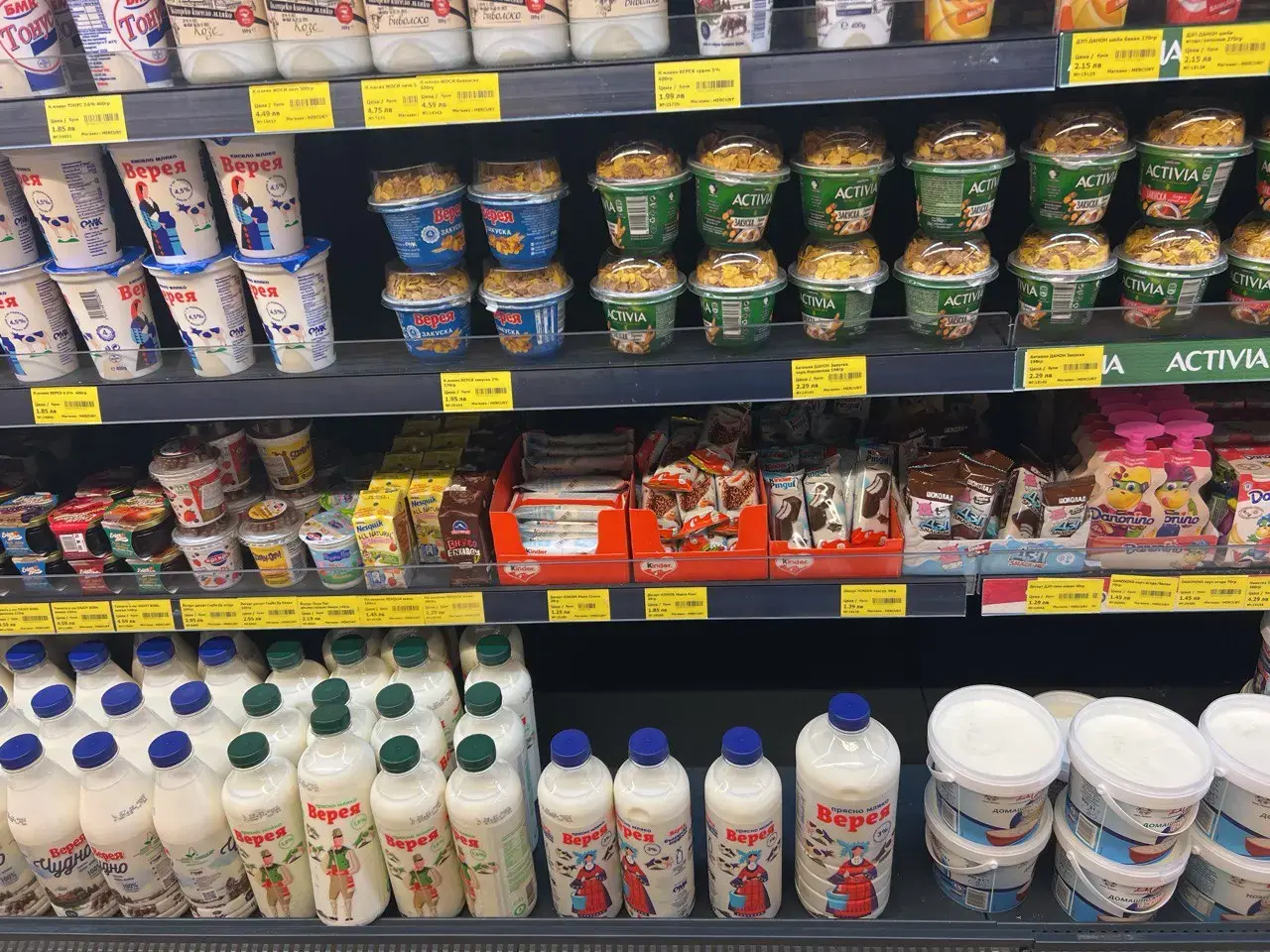
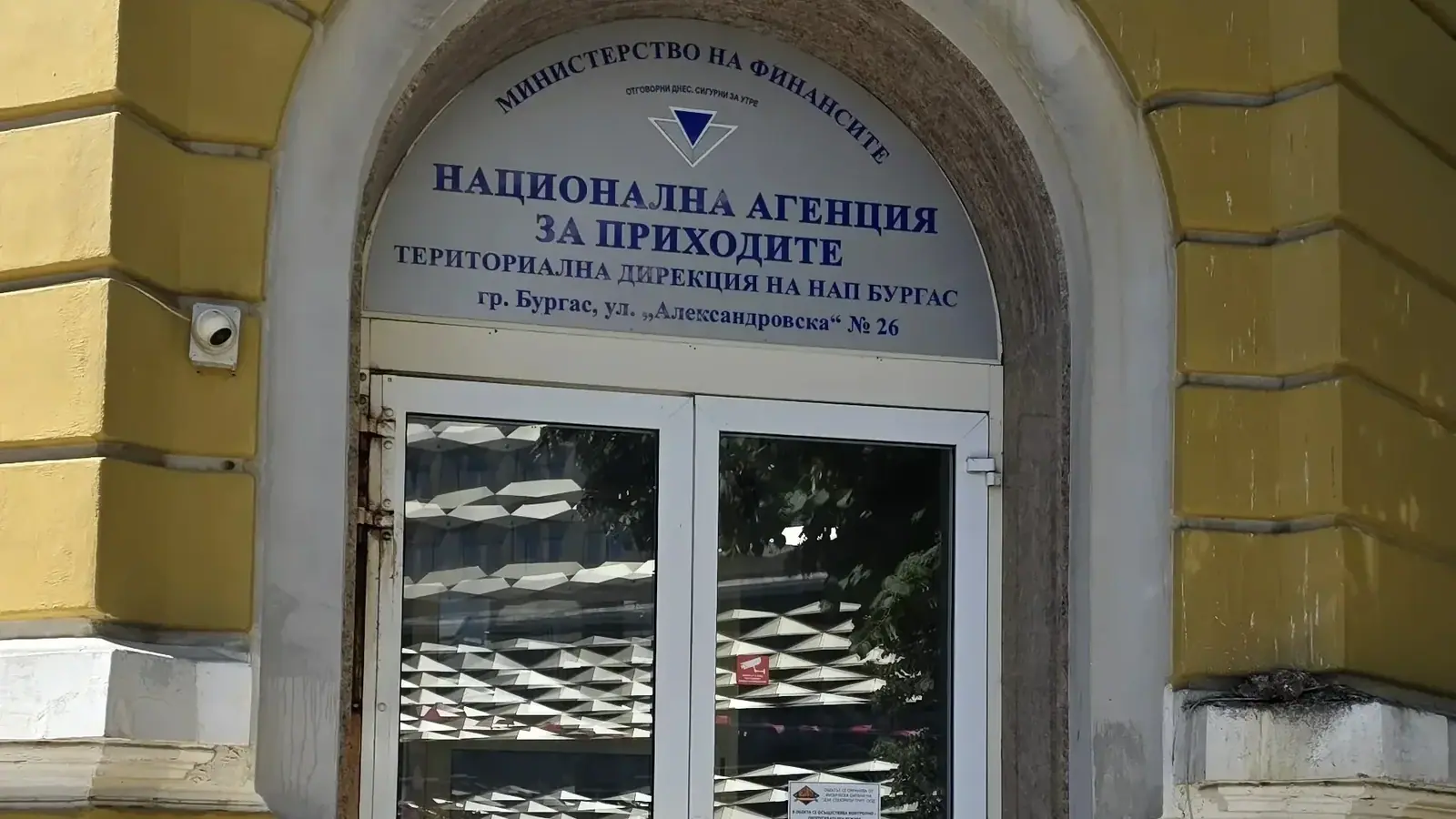
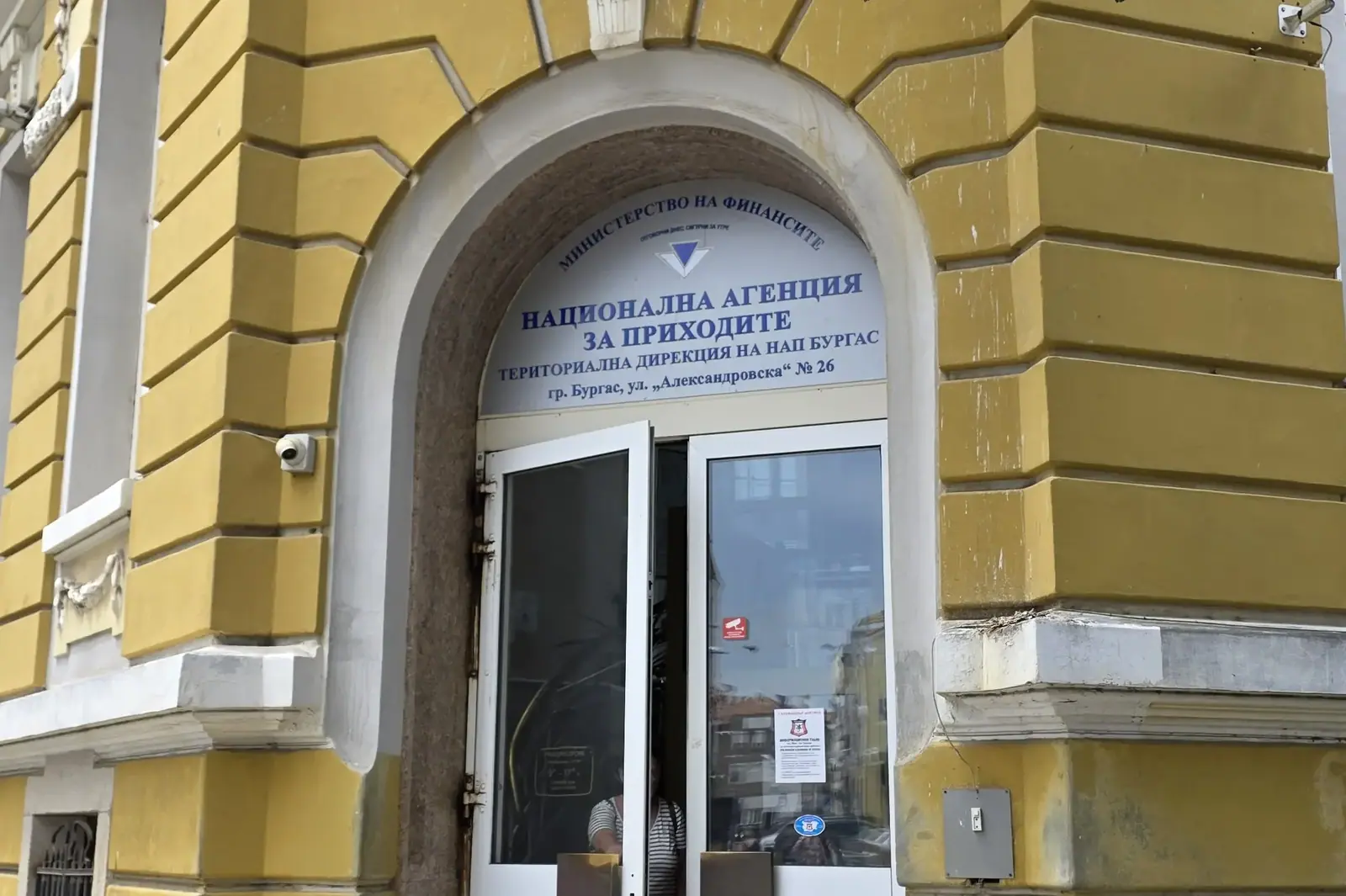
Tax inspectors have seized around 20kg of dairy products and sausages past their sell-by date from a warehouse in Sliven province. The joint check by the National Revenue Agency and the Food Safety Agency is still going on, says Hristo Uzunov, spokesman for the Burgas branch of the revenue agency.
"During our checks we also found goods that were past their expiry date. That comes to around 20kg - dairy products and sausages," Uzunov said.
Besides the spoiled goods, inspectors also found breaches of tax rules at the warehouse. No fiscal receipt was issued, only a non-fiscal one. The cash on hand didn't match the records, and required details were missing. Inspectors copied all the fiscal data from the site.
Checks on the meat and meat-products trade have been stepped up since September 1. Officials are watching 40 warehouses, cold stores and other sites run by 10 companies across Bulgaria. Most of them, 13, are in the Sofia tax region, with 6 in the Burgas area.
The checks cover the whole chain - from imports and domestic purchases through logistics and storage to the final sale. At every stage, inspectors check whether the right paperwork has been filed.
At the warehouses, inspectors compare the stock on hand with the accounting records, delivery notes, warehouse logs and invoices, to see whether what's actually sitting there matches what's on paper.
Inspectors also check vehicles with a load capacity over 3.5 tonnes coming in and out - 228 such checks were carried out in one month. They look for transport documents and the unique tracking numbers required for goods seen as high fiscal risk, and cross-check routes, senders, recipients and drop-off points.
"We're also checking for unauthorised transport - cases where there's no unique transport number declared in advance," the Burgas revenue agency spokesman said.
Inspectors have ordered 11 asset freezes worth nearly 78,000 euros. The freeze equals 30% of the market value of the goods, and for perishable goods, the company must pay it within 24 hours. For everything else, the deadline is 72 hours.
The measure isn't applied at every check - only when there are signs the company receiving the goods poses a risk. Uzunov explained this happens when the agency's analysis shows a company might fail to pay its taxes, and the goal is to make sure those taxes get paid in full and on time.
If a company sells the goods without paying the freeze amount, the fine is up to 10,000 euros for a first offence and up to 25,000 euros for a repeat one.
The agency says more companies are now declaring unique transport numbers as checks on the sector get tougher. Uzunov says this makes it easier to track goods and improves tax compliance. The checks also aim to cut down on hidden income, stop unfair competition and stamp out unauthorised transport.
Updated (02.10, 13:03): Hristo Uzunov, chief expert at the National Revenue Agency's communications department, gave the information - not the spokesperson for the agency's Burgas office, as first reported. The expired products seized are no longer at the warehouse, and the Bulgarian Food Safety Agency was told about them right away. The business now faces fines and penalty orders over the violations found.


Comments (0)
Все още няма коментари.