
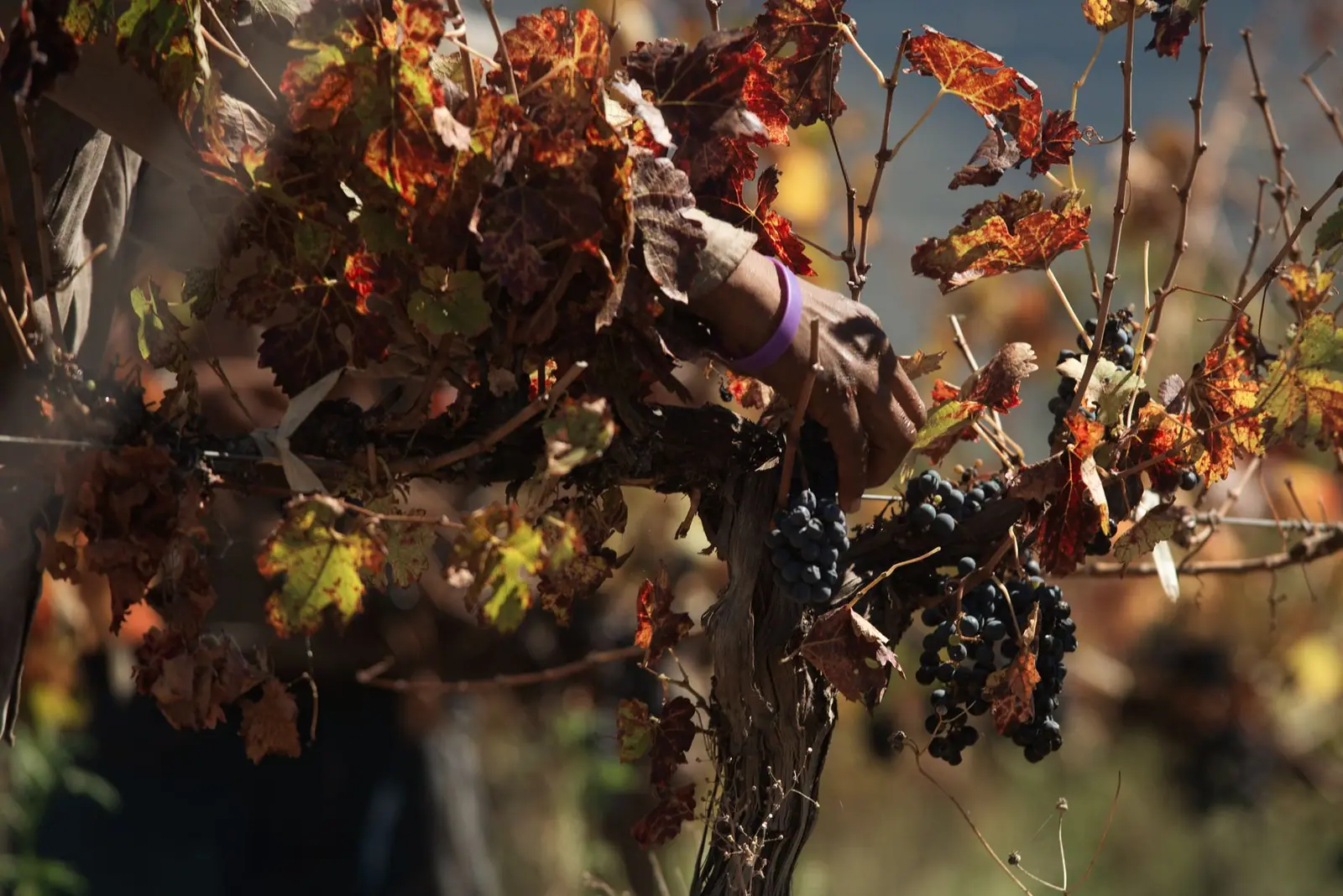
Grape growers near Svilengrad plan to protest because no one will buy their grapes. About 80% of this year's harvest is still hanging unpicked on the vines, protest organisers say.
They've also collected grapes they plan to dump at the protest. They want the state to buy the crop, or pay farmers for the grapes left on the vines.
The growers want talks first, along with working groups and a meeting with the minister, protest organiser Zhivko Zhelev told BNT. They say officials also need to look at imports from neighbouring countries, where prices are lower and growers get bigger subsidies.
This year's harvest is good, and the quality is very good too, but traders and wine producers just aren't interested, growers say. "This year, though, we can't sell the crop at all," said Zhelev, a small-scale grower who switched from tobacco to grapes inherited from his father and grandfather.
Growers are asking 40-50 euro cents a kilo, but almost no one will buy even at that price. Last year a kilo sold for 1.20-1.50 leva, and 90-95% of the crop was sold, another grower said.
Picking alone costs 13-15 euro cents a kilo, with workers paid 35-36 euros a day. That's why some growers aren't picking at all — the cost just adds to their losses.
Zhelev says even 40-50 cents is too high for traders, and with what he now pays for supplies and fuel, he can't go any lower. Cheap imported grapes are putting local growers in a very tough spot, he says.
"Tell me, how am I supposed to just throw it away? There are young people here, people who took part in [EU-funded] projects, who have crops, who have bank loans," Zhelev told BNT. Bills for insurance, road tax and fuel are due by the end of the year.
Another grower farms about 100 decares of vineyards and expects 100-120 tonnes of grapes. So far he's sold between 10 and 15 tonnes, about 10 tonnes of it dessert varieties.
His vineyards grow both wine and dessert grapes, and the dessert varieties ripen early, so time is running out for them. He says traders point to larger grapes imported from Greece, and even the grapes they already took from him are sitting unsold. He's also tried selling to Burgas, again with no luck.
The area is warm, so the grapes here ripen earliest after those from the Petrich region, he explained. The market was shaky last year too. A harvest can't just be switched off like a machine and pushed back to next year, he added.
Time is running out for growers: the latest varieties need picking by 15 October, and frost is expected about 20 days after that, when the leaves will drop. Left on the vine, grapes can hold out until New Year.
The grower with the 100 decares of vineyards says he'll film a video and invite anyone who wants to pick grapes from his vineyards to come do it themselves, because he can't see any other way out.

Comments (0)
Все още няма коментари.