
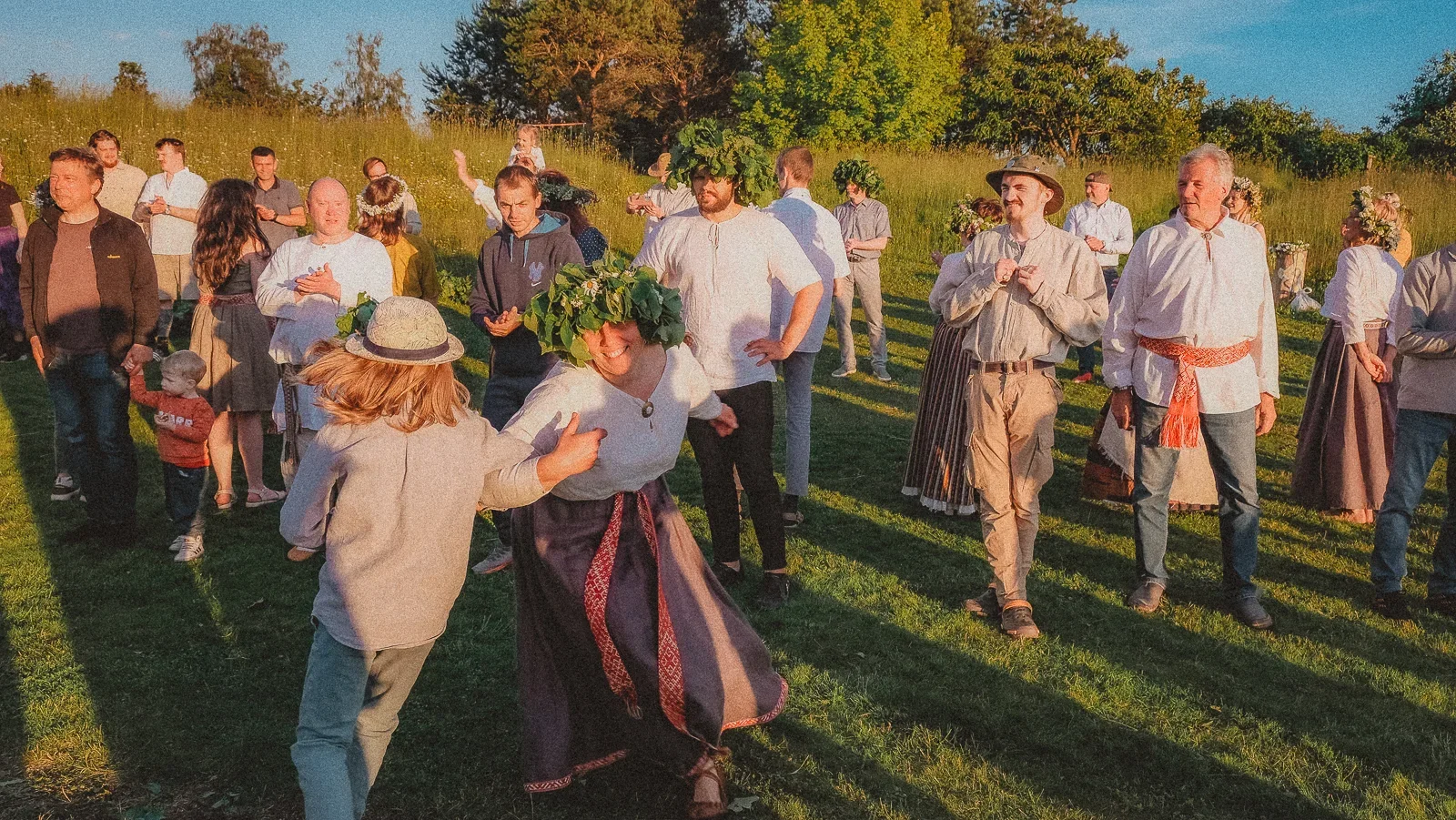
On June 21, the Sun reaches its highest point in the sky over the Northern Hemisphere – the day of the summer solstice, known in folk tradition as "sluntsevorot" (sun-turning). This is the longest day and the shortest night of the year, and in many cultures around the world, it is imbued with sacred meaning – a time of purification, gratitude, and the magic of light. The Sun is perceived as a bearer of life, fertility, and abundance, and the actions and thoughts of this day symbolically "echo" throughout the entire following annual cycle.
Astronomical significance: when the solstice occurs
The summer solstice is the astronomical moment when the Sun reaches its northernmost point on the ecliptic. In the 21st century, it usually occurs on June 20 or 21, marking the beginning of astronomical summer for the Northern Hemisphere. On this day, the duration of daylight is at its maximum, and the night is at its minimum.
For ancient agricultural societies, this was not just a calendar phenomenon, but a starting point in the annual cycle: after the "victory" of the day over the night, the slow "return" of the sun toward the winter solstice begins, which is perceived as a natural rhythm of growth and decline, life and rest.
Sacred meaning: "day of light" and changing destiny
In pre-Christian beliefs, the day of the summer solstice was almost as important as the beginning of the new year. It was believed that the rites and rituals performed on this day influence health, luck, and well-being over the next twelve months. In Slavic traditions, it is associated with symbolism of happiness, abundance, and fertility – a period when nature is in full bloom.
Folk beliefs claim that on this day, a person can "sway" their destiny: wishes made by the fire or at sunrise have special power, and every good deed returns many times over. At the same time, the solstice is a time for gratitude – to the earth, the harvest, the water, and the fire.
Folk customs: fire, water, and herbs
Traditions surrounding the summer solstice combine three main elements – fire, water, and plants. In many Slavic and Northern European communities, large bonfires are lit, around which people gather, dance, and sing. Jumping over the fire is seen as a ritual of purification – "burning away" illnesses, fears, and bad luck, and providing symbolic protection from unclean forces.
Water during this period is considered especially "alive." It is believed that bathing in rivers, lakes, or the sea in the days around June 21 brings health, and morning dew has healing properties. Women often collect dew in towels and wash themselves with it, believing that this "washes away" sadness and fatigue.
Gathering herbs and the "magic" of plants
According to folk beliefs, the healing power of plants reaches its peak around the day of the solstice. In some traditions, June 21 is associated with the "day of the strongest herbs," when roots, leaves, and blossoms have double or even triple the power. Therefore, herbalists and housewives collect mint, thyme, St. John's wort, and other plants to use throughout the year.
Women weave wreaths from nine types of flowers or herbs, which are worn on the head, hung on doors for protection, or set adrift on water for divination. If the wreath floats far away without sinking, it is taken as a sign of a happy marriage or the successful realization of important plans.
Folk beliefs and prohibitions on June 21
In the folk calendar, there are also a number of prohibitions and warnings associated with the solstice day. It is believed that one should not spend the day in complete isolation – whoever remains alone risks spending the year in loneliness. Visiting cemeteries is not recommended: this day is a "holiday for the living," and the departed are honored through prayer at home or in church.
It is also believed that excessive alcohol consumption "attracts lower worlds" and weakens a person's protection, so moderation is encouraged. Strong storms or hurricane winds on this day are an unfavorable sign – they are interpreted as a harbinger of a poor harvest or family conflicts. Abundant morning dew, on the contrary, is perceived as a promise of robust health and a rich harvest.
Greeting the sunrise – the strongest "good omen"
One of the most widespread and positive omens is greeting the sunrise. People wake up even before the sun rises, go to a hill or a body of water, and welcome the first rays. It is believed that this "charges" one with energy and health for the whole year and protects against trouble.
In some traditions, it is believed that if a person makes a silent wish at this moment, the chance of the wish coming true is especially high. Therefore, the day is often associated with personal "beginnings" – promises to oneself, decisions for change, and new projects.
Cultural traditions around the world
The summer solstice is celebrated in various forms in many countries. Among the Slavs, it is closely related to holidays like "Ivan Kupala," which combine fire rituals, bathing, divination, and herb gathering. In Scandinavia, "Midsommar" is celebrated with floral decorations, maypoles, folk dances, and communal meals.
In the Baltic countries (for example, Latvia), the solstice night is filled with songs, bonfires, and the wearing of wreaths, and in some Asian cultures, such as Yakutia, the "Yhyakh" festival combines rituals of gratitude to the sun, nature, and guardian spirits. The common thread among these traditions is the idea of merging with nature at the brightest moment of the year.
The solstice in modern culture
Today, the summer solstice continues to attract the attention not only of ethnographers and astronomers but also of people seeking symbolic dates for personal changes. Many modern practices – from outdoor yoga sessions to music and art festivals – are organized around June 21 to utilize the symbolism of the "day of light."
In urban environments, people often celebrate the day with an early walk, outdoor exercise, gathering with friends, or a quick escape into nature. Even without complex rites, the conscious attitude toward this day itself – as a moment for reflection, gratitude, and intention – keeps the ancient layers of its meaning alive.
Practical tips for June 21 today
If you want to celebrate the solstice in a modern yet conscious way, you can start the day by greeting the sunrise, doing a short meditation, or saying a prayer of gratitude. A walk in nature, swimming in the sea or a river, or washing with morning dew – all these small rituals are a continuation of old traditions, adapted to modern life.
It is a good idea to limit conflicts and heated arguments, not to abuse alcoholic beverages, and to focus your attention on what you are grateful for. The summer solstice is a symbolic "peak of light" – a moment when we can remind ourselves that the light, both in nature and in humans, needs care and respect.




Comments (11)
Ехе, хубава новина! Напомня ни за нашите корени и за цикличността на живота. Добре е да помним тези стари традиции - част са от нашата идентичност и КУЛТУРНО наследство. А
Абе, хора, сериозно ли? Да правят статии за слънцестоенето?! Все едно хората са забравили какъв ден е! Ама хайде сега, нищо лошо няма, добре е да си спомняме за нашите традиции, ама чак пък новина... Иначе, хубав празник, дано времето да изкара слънце и да се порадват всички.
Абе, здравейте! 😄 Ясно е, че на 21 юни става нещо... слънцето свети повече, хората се радват! Хубаво
Ама сериозно ли? Трябва ли да ни обясняват за слънцестоенето всеки път?! Не мога да повярвам, че новина! 🤦♀️ Да си спомняме
Абе, наистина ли? За слънцестоенето... Пък аз си мислех, че съм извън реалността. Каква е тази нужда 😡