
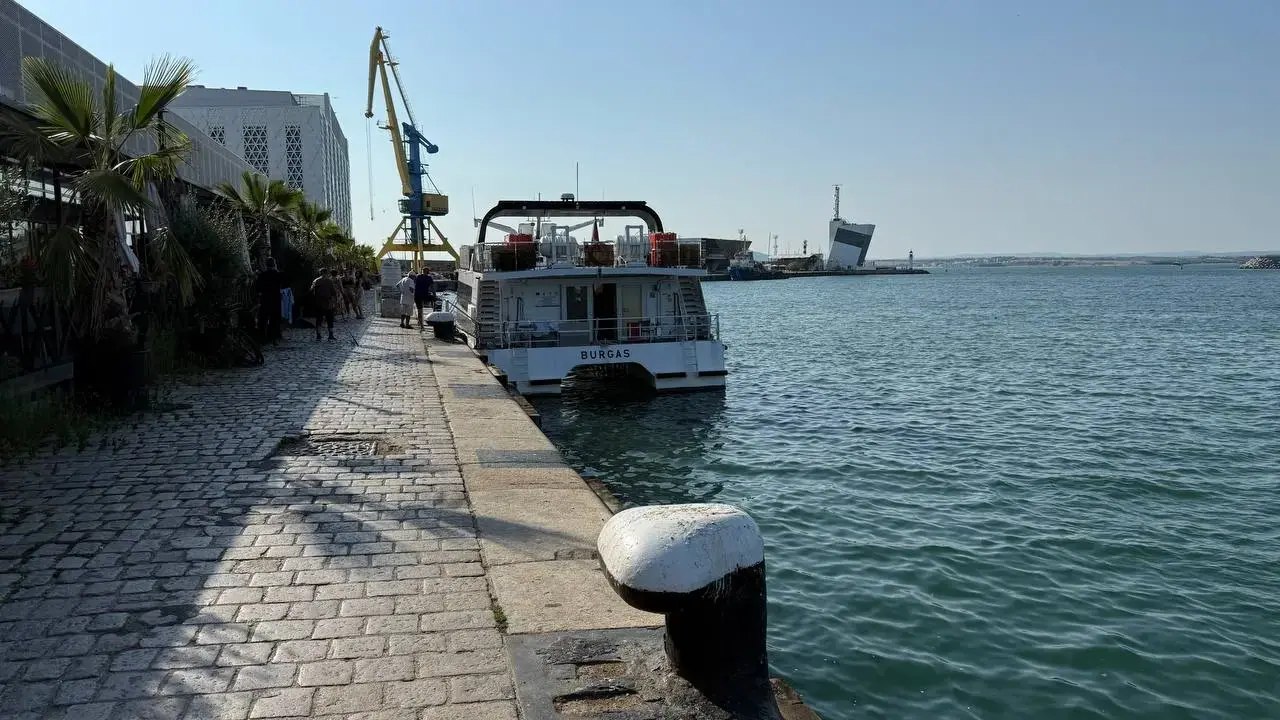
Shipping in the Black Sea could stop, and Bulgarian ports will soon struggle to receive and handle cargo, Milen Keremedchiev, a former deputy foreign minister and deputy economy minister, told Bulgarian National Radio (BNR). In an interview with Diana Doncheva, he said insurers have already added an extra war-risk premium for ships in the Black Sea because of repeated strikes on merchant vessels.
Four ships were hit in the Black Sea in the past five days. The war-risk premium adds tens of thousands of dollars to the cost of moving one cargo. A cargo ship's round trip to Bulgarian ports takes about seven days and can cost up to $100,000 more.
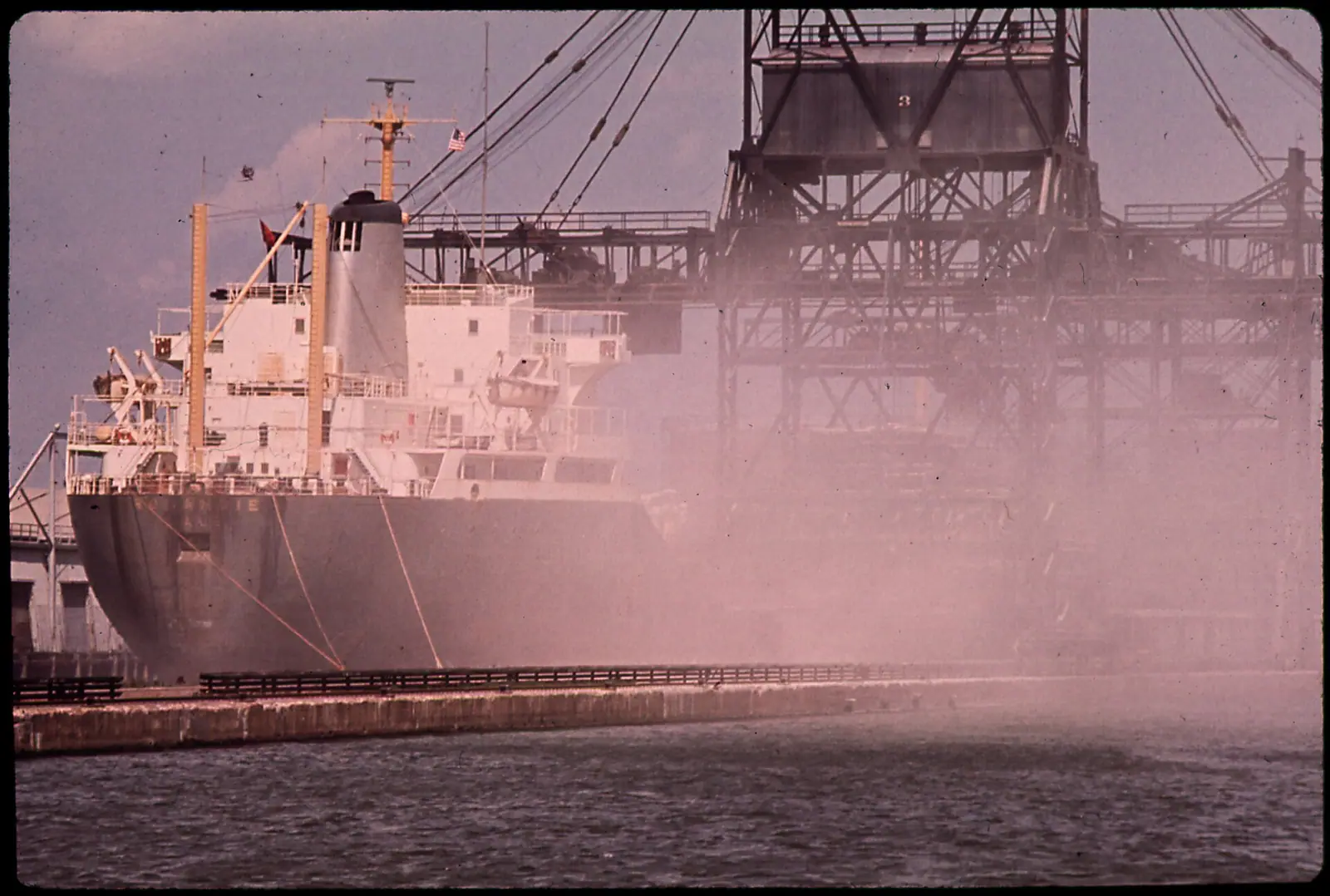
Keremedchiev says this threatens oil supplies for Lukoil, which arrive mainly by ship, as well as bulk cargo. The port of Varna handles bulk and container cargo.
He compared the situation to the Strait of Hormuz, where constant shelling of ships has led insurers to add war risk to premiums and pushed shipping costs sharply higher. Ship owners there do not sail with cargo even when the strait is open, because shipping costs too much and the risk to crews is high. The same is happening in the Black Sea, he said.
Keremedchiev says goods will become too costly to deliver and shipping will stop paying, so ship owners will hold back out of concern for their crews and ships. This will directly hurt Bulgaria's ability to trade by sea. He said no sector of the Bulgarian economy is 100% protected from the escalation of the war in Ukraine.
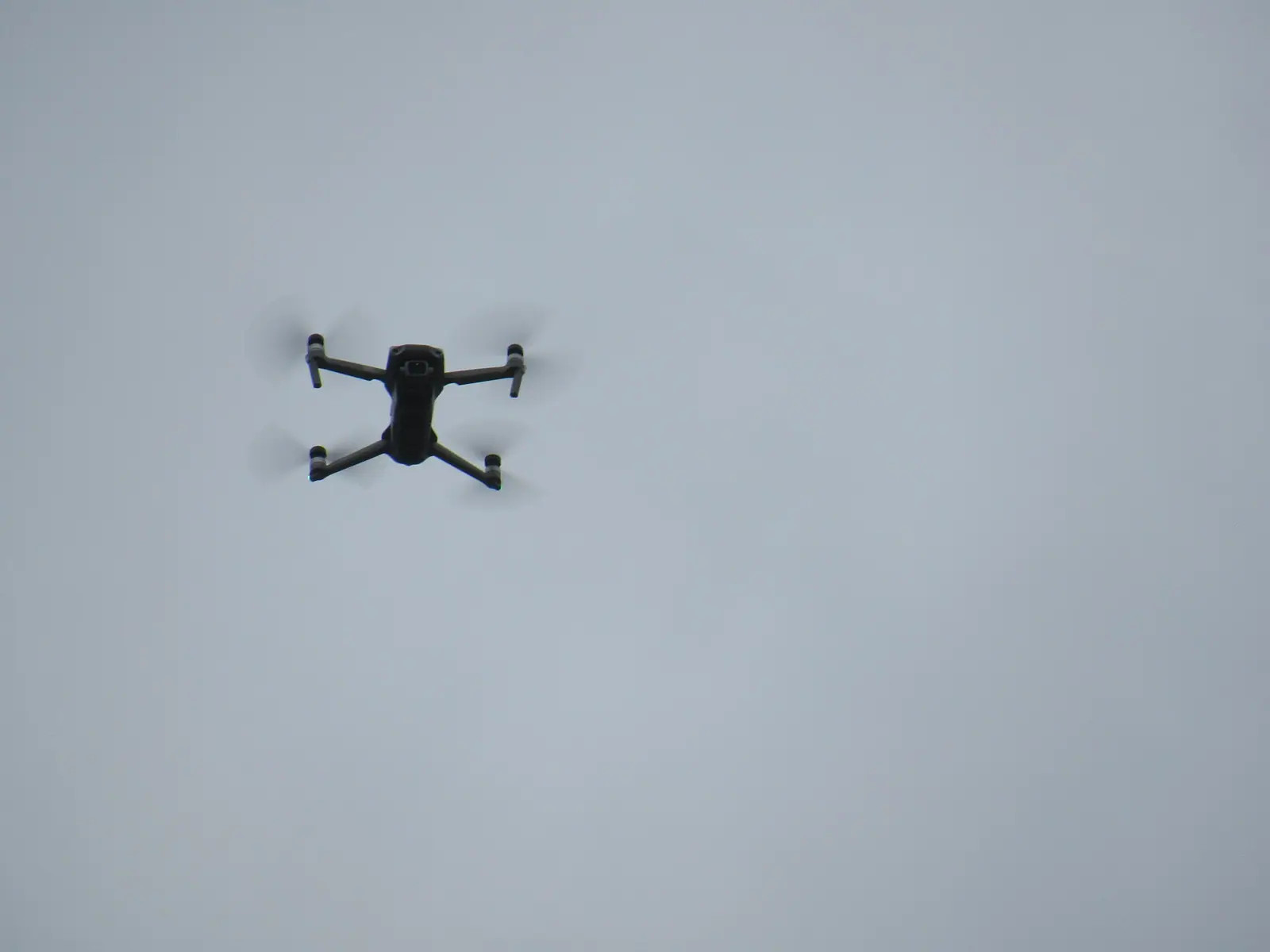
Russian strikes now cover a wider area, and almost every day there is a risk that Bulgarian airspace and waters will be violated, Keremedchiev said, urging caution.
He wants the Council of Ministers to set up an operations centre to track incidents in Bulgarian waters and airspace. It would also follow the work of the security services, the Foreign Ministry and the rescue services.
Keremedchiev says rescue services will be under heavy load in the coming months because incidents are becoming more frequent, and saving lives will need a lightning-fast response. For now, he said, institutions lag behind events and, after each incident, act in panic and piecemeal.
He believes Bulgaria urgently needs a firm, clear policy against such attacks. Partner agencies should give Bulgaria information on the movement of drones and on incidents in the Black Sea, he added.
Keremedchiev expects the government to come under pressure to show results within days.


Comments (0)
Все още няма коментари.