
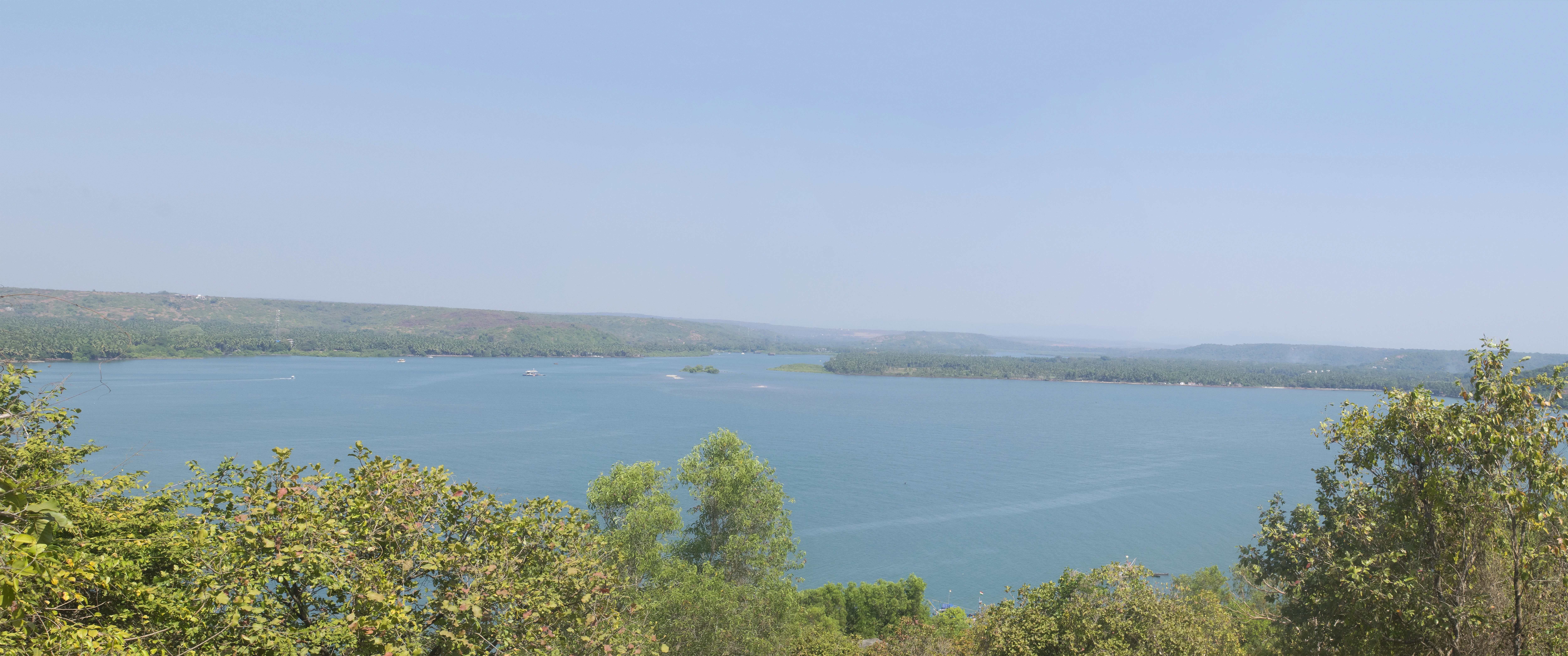
City rivers should not be perceived as a problem, but as a resource that, if managed correctly, brings long-term environmental, social, and economic benefits, said ichthyologist and hydrobiologist Dr. Radoslava Bekova from the Institute of Oceanology on the occasion of World Water Day.
According to information on the official website of the United Nations (UN), World Water Day has been celebrated annually on March 22nd since 1993. This is an international initiative to raise awareness of the global water crisis and the need for sustainable and equitable management of water resources. The motto of this year's campaign is “Where water flows, equality grows“.
In connection with this year's initiative, Dr. Radoslava Bekova emphasized that in social terms, city rivers improve the quality of life, providing spaces for recreation, sports, and contact with nature. According to her, over 90% of the rivers in Bulgaria pass through populated areas.
Bulgaria is a country with a dense network of small and medium-sized rivers, which historically were the basis for the emergence of settlements, she pointed out. Bekova pointed out as a problem the fact that over the decades many of these rivers have been corrected, put into concrete channels, covered or turned into canals for wastewater, which leads to the loss of their ecological functions. These external influences can also be the cause of floods, such as those we saw on the Southern Black Sea coast in 2025, the expert explained. Urbanization is also visible in the Perlovska River in Sofia, Bekova explained.
The restoration of city rivers is not a luxury, but a necessity, especially with increasingly frequent extreme rainfall and droughts, she stated.
As successful examples, the ichthyologist pointed out that in sections of the Cherni Osam River, the Iskar River in the Samokov region, as well as the Beli Lom River, where more gentle and ecologically oriented approaches have been applied, including the preservation of natural meanders, the use of bioengineering reinforcements and the restoration of riparian vegetation, as well as the active intervention of the Ministry of Environment and Water to stop sources of pollution.
The topic of city rivers naturally also leads to the role of wetlands, because they are part of a common water and ecological continuum, the expert commented. When rivers are restored and managed in an environmentally friendly way, this also supports the related wetlands, which are of key importance for biodiversity, water retention and limiting the consequences of droughts and floods, Bekova commented.
At the European level, nature-friendly solutions are increasingly being applied, which restore natural hydrological connectivity, the seasonal dynamics of water levels and reduce external biogenic pressure from watersheds through integrated management of coastal ecosystems, Bekova further explained. The experience in the Shabla region shows that even moderate interventions, in line with natural processes, can significantly improve the ecological condition and sustainability of the systems, she pointed out. This makes coastal lakes suitable pilot sites for the application of the new European policies for nature restoration, the expert summarized.
BTA recalls that at the beginning of March, the Ministry of Environment and Water (MOEW) announced the establishment of a Coordination Unit “Policies for the Sea“ to achieve more effective management of processes and information related to the Black Sea. It will also be responsible for improving coordination between the competent institutions and scientific organizations, the MOEW press center announced at the time. The unit was created by order of the caretaker Minister of Environment and Water, Yulian Popov.

Comments (12)
Бах, яко и, че вече някой говори за реките ни! 🌊 Иначе д-р Бекова яки неща изрече – ама да не стане само говорене, а и работа да се свърши, а? Трябва да подходим сериозно, иначе ще си остане празна приказка. Ама много яко е,
Абе, сериозно ли? Накрая ще им е река България! 😠 Добре де, ама кой ще чисти тия
Интересно изказване на докторката, наистина. Ами, всъщност колко струва едно такова "възстановяване" в дългосрочен план? И как ще се гарантира, че тези проекти няма да са просто за снимки и пиар-а? Важно е да има реален мониторинг и отчетност, според мен
ей, хора! наистина ли никой не се замисля откъде ще дойде парите за тая работа?! да не би пак да измъкнем нещо от европа и после да го окрадем? и как ше гарантират, че като почнат да чистят реките, няма да излезе някаква фирма на някой депутат да си вземе комисионна и да остави работата наполовина?! сериозно ли, май
Хм, интересно... ама наистина ли ще стане нещо от тия речни ремонти? Все пак, кво ще кажат съседите оттатък - дали и те имат полза от