
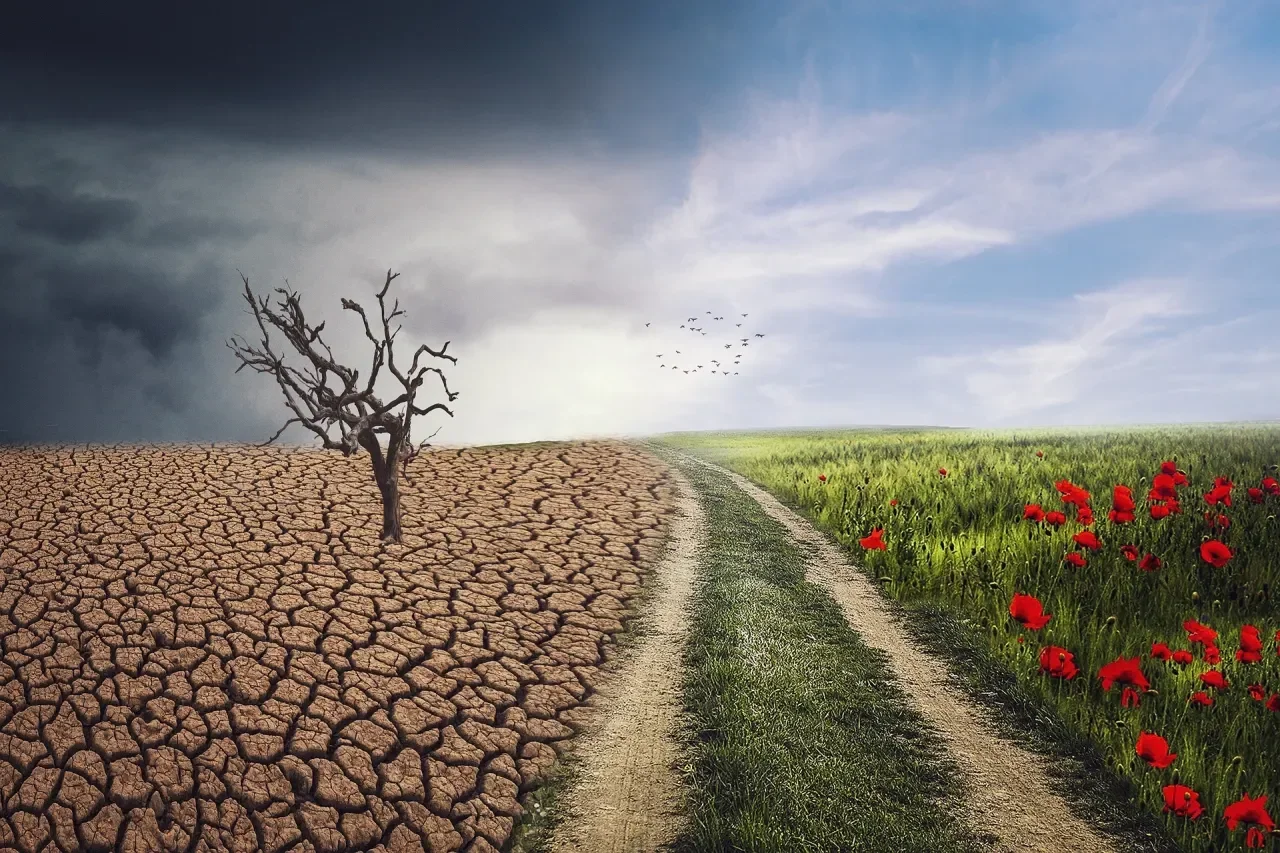
The question is no longer whether the climate is changing, but what we will do about it. Science is categorical: human activity is warming the planet at an alarming rate. The consequences of this are felt everywhere, from the droughts in Africa to the devastating fires in America. What does this mean for us?
Warming is a fact
We are already witnessing long-term changes in the average temperatures and meteorological conditions on Earth. Since the 1980s, each decade has been warmer than the previous one, according to the data. The World Meteorological Organization reports that 11 of the hottest years in history have been after 2015. 2024 turned out to be the hottest in history, with temperatures exceeding 1.5°C above pre-industrial levels - significantly above the parameters of the Paris Agreement.
Why is this happening?
Natural factors cannot explain the rapid warming observed over the last century. The fault lies mainly with human activity. The massive use of coal, oil and gas in industry, transport and households releases greenhouse gases, mainly carbon dioxide (CO2). This gas traps heat in the atmosphere, like a blanket, leading to rising temperatures. Since the beginning of the industrial revolution, the amount of CO2 in the atmosphere has increased by over 50% - unprecedented levels in recent geological history. Analyses show that this CO2 comes directly from fossil fuels.
What do we already see?
Climate change is already having a serious impact on the world. Some of the clearest consequences include: rising temperatures; increasing frequency and intensity of extreme weather events (such as heat waves, droughts and floods); changes in rainfall; rising sea levels; loss of sea ice.
The fires in Los Angeles in January 2025, which are estimated to have cost over $100 billion, are just one example of the costly consequences. Scientists from World Weather Attribution (WWA) point out that climate change has increased the likelihood of hot and dry weather, which has created conditions for disaster. In 2022, parts of East Africa experienced the worst drought in 40 years, putting over 20 million people at risk of starvation. WWA claims that such droughts have become at least 100 times more likely.
What awaits us in the future?
Nearly 200 countries have pledged to limit global warming to 1.5°C above pre-industrial levels. It is important to note that this goal refers to long-term average warming, not a one-off achievement of this value. Even at 1.5°C, the consequences will be serious. If warming reaches 2°C or more, the effects will be significantly more severe.
Also worrying are the so-called "tipping points" - thresholds after which the climate system can change rapidly and irreversibly. It is not clear exactly where they are, but they may include the collapse of the Greenland ice sheet, changes in the Atlantic Ocean current, or further loss of tropical forests.
According to the Intergovernmental Panel on Climate Change (IPCC), between 3.3 and 3.6 billion people worldwide are highly vulnerable to climate change. People in poorer countries are at greatest risk, as they have fewer resources for adaptation. Crop failure associated with extreme weather events can raise food prices worldwide.
What can we do?
The IPCC emphasizes that achieving net-zero CO₂ emissions is key to limiting global warming. This means maximizing emissions reduction and actively removing residual amounts from the atmosphere. Many countries already have net-zero emissions targets or are considering them. There is progress in the development of renewable energy sources and electric vehicles, but global CO₂ emissions are still at record high levels.
The World Meteorological Organization estimates that long-term warming reached between 1.34°C and 1.41°C in 2024. At current rates, the 1.5°C target may be crossed around 2030. UN Secretary-General António Guterres acknowledged that "overshooting" 1.5°C is already inevitable, but expressed hope that temperatures could be brought back below 1.5°C by the end of the century. If we do not take significant measures, warming could reach nearly 3°C by 2100.
What's next?
World leaders meet every year to discuss their climate commitments. The next meeting, COP31, will be held in Turkey in November 2026. Major changes must come from governments and businesses, but each of us can contribute through our daily choices:
- Limiting energy consumption.
- Using public transport or alternative ways of getting around.
- Limiting meat consumption.
- Supporting sustainable agriculture.
- Participating in environmental initiatives.
You may also like
These actions, taken by each of us, cannot solve the problem on their own, but they can reduce the personal carbon footprint and support wider systemic changes. Will we be able to reverse the course of events? The answer depends on all of us.
Коментари (123)
Динов
15.02.2026, 12:49Абе, хора... четох статията, викам си аз - "пак ли ще ни плашат?". Истината е, че климатичните промени са реалност, не може да се отрича, но и да го правим кой знае кол
Stoyan59
15.02.2026, 12:51Абе Динов, прав си наполовина! Да, климатичните промени са факт, видял съм го аз с моите очи – зимите стават все по-кратки, лятата - все по-големи жеги... ама пък и да не е чак толкоз страшно. Все пак сигурно има някакъ
Рашко
15.02.2026, 12:51Абе Динов, прав си донякъде... "кой знае кол'" е точното определение. Все пак, да не се правим на ударени - жегите са все по-големи, дъждовете са яко странни. Нашите бабички са казвали: "Помни каквото ти каже земята!" И земята си говори, само трябва да я слушаме. 🙄
4A9E56A4
15.02.2026, 12:53Абе, Динов, браво за коментара, прав си на 100%! И аз все едно слушам една и съща плоча - "спасявайте планетата!". Ама сериозно, хора, к'ви са тия заплахи все? Да не сме пропуснали нещо
7CBE62502C
15.02.2026, 12:53Ами верно, Динов говори логично. Не може да го отричаме, ама и да не
Petar9
15.02.2026, 12:50Абе, хора, баси! Пак ли климатични промени? 🤦♂️ Честно казано, все едно слушам плоча – все едни и същи приказки. Затопляне, наводнения, суши... И какво да правим? Да си гледаме само телевизора и да се чудим кой ще спечели
B430D60A
15.02.2026, 12:51Абе, Петар9, деба! Какво значи "все едно слушаме плоча"? Ами, като ни го казват все по-често и последствията вече ги виждаме - сушата тая в Гърция, наводненията в Европа... Не е за смях, бе човек. Да си гледаме телевизора и да се чудим кой ще спечели ли? Ами какво друго остана, като правител
Млад_Човек
15.02.2026, 12:54Petar9, абе наистина ли е талкова трудно да си представим, че ако не предприемем нещо, ще стане още по-зле? Не е плоча
pcmg613
15.02.2026, 12:54Абе, Петар9, прав си донякъде... ама пак е тъпо да го казваме все едно нищо не можем да направим! 🤦♂️ Все едно "а бе, какво да правим?" е оправдание да си седим с кръстосани
Georgi78
15.02.2026, 12:55Абе, Petar9, уважавам те за... ех, как да го кажа... откровеността. Да, прав си, звучи все едно слушаме една и съща проклета плоча. Но май проблема не е в плочата, а в това, че повечето хора предпочитат да я слушат на repeat, докато ни залее вода или пък се изпечеми като пиле на скара. 🤦♂️
crazy_angel264
15.02.2026, 13:40Абе хора, вижте сега... Горещо бъдеще, казват! Да бе, ама нали винаги е горещо някъде? 🙄 Все едно да кажем, че ще вали дъжд – никой не се изненадва, нали? 😡
Нилов
15.02.2026, 14:10Абе... кво да го правя аз с тия новини? Всичкото едно и също се повтаря вече години наред. Дали изобщо някой слуша, или просто си четат, после - айде наз
Млад_Реалист
15.02.2026, 14:11Абе, сериозно ли? Години наред го говорим т'ва! Дали пък не си мислиме, че някой отгоре ще дойде да оправи положението?! Ама хайде бре хора, Европа ни чака да сме зелени и
Стелов
15.02.2026, 14:12Абе Нилов, прав си! И аз все едно чета едно и също от години! Направо ме е яд, че тряб да се занимаваме с тия неща... ама кво да праим? Да седим и да гледаме как планетата ни гърми ли?
Добър_Патриот
15.02.2026, 14:12Абе хора, деба! Да, климатичните промени са тема повтаряща се, ама да го кажа направо – баси проблема! Все едно да си затваряш очите за дупка в колата, защото "все тая, ще караме". Ясно е, че трябва нещо да се направи, ама кой ще го понесе? И аз не съм някакъв суперге
Истински_Патриот
15.02.2026, 14:13Аби, сериозно ли?! Все тая дали внуците ми ще дишат въздух или не? Ама
fsae430
15.02.2026, 14:14Абе Добър Патриот, ПРАВ си напълно! И аз съм като теб – обикновен човек, не супергерой. Но наистина, к'во да правим, ако си затваряме очите? Всички ще го понесем в крайна сметка.
maria98@gmail
15.02.2026, 14:17Ей, Добър_Патриот, прав си! То е все едно да
Истински_Човек
15.02.2026, 14:41Абе, наистина ли? "Горещо бъдеще"... Браво, оригинално! Все едно да кажем, че зимата ще е студена. 🤔 Сериозно, колеги, колко още пъти трябва да ни повтарят очевидните неща? Не че съм някакъв климатичен гений, разбира се, но все пак...
real_angel984
15.02.2026, 14:43абе, истински_човек, прав си донякъде... ама по-добре да ни казват "горещо бъдеще", отколкото ДА се окаже, че сме били наивни! науката е наука, хора. не е за смях. да, повтарят едно и също, защото малко са тези, дето го разбират или искат да направят нещо по въпроса.
Луд_Българин
15.02.2026, 14:44Да, факт е, колега. Забавянето на промените изисква
crazy_king
15.02.2026, 15:30Абе, пичове… Сериозно ли някой още се чуди дали има проблем с климата?! Честно. Все едно да питаш дали земята е кръгла. Видяхме го ние сами – лятото става все по-невъзможна жега, зимите са непредсказуеми, дъждовете идват като цунами… И после се правят на шокирани и пишат “Горещо бъдеще”? Абе, хора, вече сме във футурологичен филм!
Dimi83
15.02.2026, 15:33Абе... пичове, кво да ви кажа. Crazy_king е прав на 100%. Сериозно ли все още има хора дето се чудят дали нещо се случва? Като гледам каква жега беше миналата година, и тая… ами наистина стана малко абсурдно да си правим такива "новини" като че ли току що сме разбрали за проблема.
Stoyan91
15.02.2026, 15:35Абе, к'во да кажа... crazy_king е прав напълно! Няма нужда от "Горещо бъдеще" - имаме го вече! Гледай какво се случва по света - пожари, наводнения, суши... И тука не сме много по-добре. Все едно си затваряме очите и се правим, че нищо
Боко
15.02.2026, 15:58Абе, хора... Сериозно ли?! Всеки го усеща – жегите, дъждовете, сушите... Не е просто "горещо бъдеще", а вече го има тук и сега. Важното е да се вземат мерки, ама не само пра 👍
real105@eu
15.02.2026, 16:08абе, какво значи "ако"? ама ако не забавим... кой ще плаща сметките после? дано да ни изнамерят
pesho445@bg
15.02.2026, 16:08Абе, хора, здравейте! Четох коментарите - доста емоционално станало тук, а? Нали знаете, аз съм обикновен човек, работя си, чета си новини...
Стар_Софиянец
15.02.2026, 16:11Абе, Пешо, здрасти и ти! "Обикновен" значи ли да седим и да гледаме как ни топлят главите с климатични промени? Да видим кой ще си измие
9F28E1
15.02.2026, 16:11Абе, Пешо, здрасти! Верно си прав – доста се разпали дискусията… ама к'во да правим, бре? Не е ли време да започнем да гледаме по
Mariya39
15.02.2026, 16:12Абе, Пешо, здрасти! Прав си напълно - стана доста нашумяло тука, ама к'во да се прави... 😅 И аз съм такъв - работя си, гледам да се оправям. Тая новина ме накара да се замисля, де. Ама верно, все едно някой друг трябва да го направи, а? Ние тук в БГ к
nyfy840
15.02.2026, 16:20Абе, май нема край тая работа... Щом наука казва, значи има нещо гнила, нали? И ние тука да се мъчим… Какво да 🤙
Прав_Реалист
15.02.2026, 16:21Nyfy840, брат/сестра, кво си говорим бе! 🤦♂️ "Нема край тая работа" - факт! Ама да кажем,
258ACB
15.02.2026, 16:24Абе, nyfy840, как може да кажеш "ма нема край тая работа"? Абе, човек, така си говорим все едно сме на кино! “Щом наука казва, значи има нещо гнила”? Това е абсурд! Науката работи на базата на факти, наблюдения и изследвания, а не на конспирации. Не може да се подценява толкова лесно. 😅
mtrcud252
15.02.2026, 16:39Ей хора, к'во стаа?! 🤦♀️ Честно казано, малко ме е яд! Все едно ни казват "Опа, забравихте ли да спасите света?", ама все си мисля кой ще го направи наистина, а? Всички говорим, мерки взимаме... ама дали нщо се променя? Аз лично се
cool_wolf
15.02.2026, 16:40Абе, то верно... 🤦♂️ Говорят, говорят, ама к'во става на практика? Все едно си играем на "смените крушката". Ясно е, че трябва нещо да се направи, ама все някой друг ще
crazy_tiger20
15.02.2026, 16:41Абе, mtrcud252, напълно те разбирам! Точно така се чувствам и аз понякога – все едно ни хвърлят тоя проблем в краката ни и "ама вие си го знаете!". 🤦♀️
Лош_Човек
15.02.2026, 16:42Абе, mtrcud252, права си напълно! 🤦♀️ Точно така се чувствам и аз! Само да не ни ИЗПУКАТ акционерите на Русия с тия газове им 👏
Petar70
15.02.2026, 17:10Абе, хора, к'во да кажа... Значи пак ли трябва ние да чистим бъркотията на някой друг? Да видим кой ще си понесе отговорността, че все се мятат топката. Иначе да
pxpdoj540
15.02.2026, 17:11абе, петре, напълно те разбирам! то верно, сякаш все ние трябва да оправяме... я си
Petar66
15.02.2026, 17:12абе, petar70, наистина ли очаквате някой друг да плаща за нашите грешки 🤙
gosho732@abv
15.02.2026, 17:14Ами факт е. Само да видим кой ще плати сметката, като винаги. Дано Европа ни подкрепи, че
Рано
15.02.2026, 17:18Абе, сериозно ли?! И кво дя правим сега – да почнем да садим дървета по дворовете ли? Дали наистина някой от големите ще си понесе
A6073D
15.02.2026, 17:19Евала за статията! Сериозен проблем е, няма спор. Да видим сега какво ще
Точо
15.02.2026, 17:20Абе Рано, прав си напълно, и кво да правим ние, обикновените хора? Да садим дървета - хубаво е, ама да не си мислиш, че това ще спаси света само. Важното е големите играчи да се стегнат! Тези корпорации, дето замърсяват яко и си го правят келяв на наш гръб, те
fan254@abv
15.02.2026, 17:21Абе, наистина ли сме чак толкова безпомощни пред тази
maria887@bg
15.02.2026, 17:21Абе Рано, ПРАВ си на 100%! Да садим дървета... ама кой ще ги пази после? Да не стане като с оня парк зад блока - засадиха го преди години, сега е сметище и мандра за кучета.
pro_hero
15.02.2026, 17:23Ей, Рано, брато! Напълно си прав, кво да го правим – ама наистина трябва да се вземат мерки. Саденето на дървета по дворовете е добър ход, ама то е само капка в морето, разбираш ме. Най-важното е големите компании и правителствата да си поемат отговорност. Защото колкото и ние да спестяваме ток, ако някой гори тон въглища на ден... ами няма смисъл
Истински_Патриот
15.02.2026, 17:39наистина ли никой не си задава въпроса: дали наистина сме готови за тези промени? говорим, пишеме... ама реални действия - май все още чакаме.
Млад_Граждан
15.02.2026, 17:40Абе, Истински_Патриат, прав си напълно! Говорим и говорим, ама кой да види, кой да чуе?! Всеки се прави на ударен, че нищо не става. Ама като падне някой дъжд и потопи квартала, тогава ще крещят
gosho254@gmail
15.02.2026, 17:41Абе, Истински_Патриот, абсолютно си прав! Много добре го каза - говорим, пишеме... ама реални действия? Мисля, че това е най-големият проблем. Постоянно ни засипват с апокалиптични прогнози и статистики, което е ОК, да ни държи будни, но все едно сме парализирани от мащаба на проблема.
Vasil14
15.02.2026, 17:42Абе, "готови ли сме"?! 😂 Да сте видели някой да е готов за нещо в тая д
Mariya81
15.02.2026, 17:44Абе, Истински_Патриот, прав си 100%! Говорят, говорят, ама кой ще го направи? Да не би някой олигарх да
user434@bg
15.02.2026, 18:18ех, хора... четох новината тая. мяза на лош филм, ама е реалност. ясно е, че нщо става все по-зле с времето. ама к'во да правим? всички го знаем - трябва да се променим, да живеем по-зелено, ама все някой друг трябва да го направи. и какво ще стане тука, в бг? ние сме малки, нали? дано европа ни е насред и има някаква идея
2C171356
15.02.2026, 18:39Абе, баце, тая новина ме накара да се замисля... Сега к'во да праим? Да си купим хладилни халета ли? Щото като гледам темповете 😅
tlkmdq345
15.02.2026, 18:41Абе, 2C171356, баце, разбирам те напълно – въпросът е наистина як! Хладилни халета... това вече клони към шега, ама пък в тая обстановка не бих се изненадал нищо. Но да си го кажем правдоподобно - не става дума за индивидуални решения от сорта "купувам хладилно хале". Това е системна работа, хора!
ykqybnxm940
15.02.2026, 18:41Абе, баце, прав си за хладилните халета... ама май ще стане малко скъпо, немам много парички за такива екстри след всички тези сметки дето ни ги налагат! 😅
pro_hero156
15.02.2026, 18:42Абе, яко е наплашено, ама верно... Честно казано, малко ме е яд. Всички го знаем, че нещо се случва, ама все чакаме някой друг да се сети. Трябва да почнем от малките неща
mega_angel439
15.02.2026, 18:53Ами... четох новината. Не е нещо ново, разбира се. Науката говори от години, а ние си гледаме другите проблеми. Истината е, че климатичните промени са факт – вижте какво става по света, пожари, наводнения… и тук при нас все по-сухи лета, по-бурни зими.
865974
15.02.2026, 18:56Абе пичове, голям зор! Сериозно ви казвам – гледайки какво
292C486054
15.02.2026, 19:08абе хора, баси! да видим дали догодина ще можем да си отглеждаме ананаси в
wyysd432
15.02.2026, 19:11абе, бате... ананаси в българия? 😅 да видим първо дали изобщо ще има лято след години, че за ананасите да говорим. се
Истински_Патриот
15.02.2026, 19:12Абе, я да видим ананаси ли ще имаме или пак
real_wolf
15.02.2026, 19:12Ахахах, ананаси ли? Мисля, че по-скоро да се чудим дали ще има сняг зимата... Не е смешно наистина, ама кво да пра
bg825@eu
15.02.2026, 19:09абе, сериозно ли? да видим сега... чета коментарите долу и все едно си говорим за нещо абстрактно. ясно е, че проблемът е огромен и ни касае всички. не може да се гледа само на "малките неща", макар че и те са важни де – рециклирането, спестяването на ток и вода… ама хайде сега.
Милов
15.02.2026, 19:11абе, bg825@eu прав си напълно! не може да го гледаме само като "ахайде, да рециклираме по малко". това са все пак капки в морето ако няма сериозни мерки от правителствата и големите компании. тия трябва да спрат с
Стечев
15.02.2026, 19:12айде сега, bg825@eu прав си напълно. честно казано, четя коментарите и ми става малко тъпо... все едно гледаш филм и знаеш как ще свърши зле, ама се надяваш нещо да стане чудо. малките неща са важни, разбира се – аз самият си спестявам ток и вода колкото мога, разделям боклука (честно), но... това е като да чистиш басейн с една чаена лъжичка 🤙
pro_king10
15.02.2026, 19:53е, какво да кажа... ама наистина става лошо. дано се о
3DF9A1A8B3
15.02.2026, 20:21абе, сериозно ли още говорим за това? ясно е че нещо се случва, ама кой ще го направи да спре? всички "рециклиране
Стечо
15.02.2026, 20:24Абе, хора, успокойте малко паниката! Да, правилно е 3DF9A1A8B3 - защо все още говорим за това сякаш някой си мисли, че ще се оправи само с рециклиране? Това е супер повърхностен подход.
bg693@gmail
15.02.2026, 20:25Наистина ли е достатъчно просто да констатираме проблема? И каква реална промяна очакваме, ако всеки от нас продължава с "рециклирането" само на думи? Просто така ли
Dimi40
15.02.2026, 20:40ясно, ясно... иначе ни чакат ядове, май нема спор. дано все пак се стегнат хората малко
maria3@gmail
15.02.2026, 20:45абе dimi40, прав си, брат, ядове ни чакат със сигурност. ма ама "да се стегнат хората малко" – ехеее... тва е голям зор! всеки гледа само да изкара заплатата и да се оправя с тия цени. к'во да праим, хора? да почнем да си разделяме боклуците по-сериозно ли? ама к*
opwvo341
15.02.2026, 20:51Ебати, сериозно ли?! Тва вече май няма спасение, а? Дано все пак нещо
Млад_Софиянец
15.02.2026, 20:54Абе, наистина ли? И кво, сега да почнем да
hdbdor299
15.02.2026, 21:00Браво на науките, че ни светват! Ама да видим дали ще го разберем всички и да се стегнем
9A99DBADE6
15.02.2026, 21:09Абе хора, песна ми от тия апокалиптични прогнози. Всички знаем, че нещо се случва – вижте си календара, не е 1850-а! Но да ни обясняват какво *ще* ни се случи... все едно сме много наивни и чакахме някой да ни
Стар_Софиянец
15.02.2026, 21:18Абе, ще ни удари ли някаква страшна ВЪЛНА или просто ще се полее
super_master
15.02.2026, 21:22Абе хора, наистина ли трябва постоянно да ни го казват по тоя начин? Все едно сме дечица, които чакат батко да им каже какво да правят. Ясно е, че нещо се случва, вижте си времето – все по-странно става. Суши, наводнения... не е за вярване
pro_angel741
15.02.2026, 21:31Абе, к'ви са тия апокалипси? Дай малко конкретика,
ultra_angel
15.02.2026, 21:58абе, писнаха ме тия статии. "кво ще стане"... все едно някой си играе на господ и знае какво ще се случи утре. ясно е, че времето се променя, вижте какви пожари има по света, какви дъ
ozpuv451
15.02.2026, 21:59Абе хора, к'во да ви кажа… Честно казано, малко ме е яд като чета тия новини и коментари. Да, ясно е, че нещо се случва – всички го усещаме все по-добре. Лятото става адски горещо, зимите не са к'во бяха преди… ама да ни обясняват все едно сме пълни простаци и чакаме някой да ни каже какво да правим е малко обидно
xgbki148
15.02.2026, 22:21Абе хора, кво да кажа... Ясно е че нещо се случва, ама да ни плашат все едно сме бабички 💸
Добър_Патриот
15.02.2026, 22:24Абе xgbki148, кво значи "бабички"? Сериозно ли? Да ни плашат?! Ама харесва ми този тон - все едно сме си навреме. Трябва да се вземат нещата на сериозно! Не е играчка, бе хора! Планетата ни гори, ледниците топят и какво – да си правим паради? 😡 Да се стегнем
Стар_Бургазлия
15.02.2026, 22:25Ама наистина, я да не ни плашат, а да видим кво можем да направим реално! И
dark_hero871
15.02.2026, 22:23Сериозно ли?! И кво да правим сега? 🤷
Dimi75
15.02.2026, 22:33Браво за статията! Важно е да говорим за това - наистина ни засяга всички. Трябва да се вземат мерки на европейско ниво, да помагаме един на друг, защото планетата ни е дом и трябва да я 🤙
pkbz115
15.02.2026, 22:35Евала за коментара Dimi75! Точно така е - трябва да си помагаме на евро ниво и да помислим за бъдещето, ама наистина. Иначе кво ще оставяме на децата ни?! 😔
jttsqn310
15.02.2026, 22:57Амеии… ясно е, че трябва да се вземат мерки, ама пък винаги е било топло лято. Сега все нещо драматизират. Важно е да не панираме, ама и да не си затваряме очите пред фактите. Тря
Пелов
15.02.2026, 22:59Абе хора, хахах! Ясно е че лятото винаги е било топло, ама тая година си мисля, че нщо яко ще става... Вчера гледах как пчелите се молят за дъжд в градината, а котката ми цял ден мърмори под дивана – все едно предсказва
Dimi2
15.02.2026, 23:18ех... писнаха тия апокалипсиси всяка година. да, топло е, ама и зимите
Mariya91
15.02.2026, 23:38Абе хора, кво става с тая планета бе?! Честно казано, все повече ме плаши! "Горещо бъдеще" - точно така е, и то как! Не са само тия апокалипсиси всяка година, ама има нещо друго... Направо се усеща, че нещата се променят. 😂
Истински_Българин
15.02.2026, 23:40Абе, вие нормални ли сте бе хора? Сериозно?! "Горещо бъдеще" - ама честно, всеки ден е горещо! Все едно ни казват нещо ново! Да, топло е, да, глобалното затопляне си върви, ама всяка година е една и съща песен.
dark_king
16.02.2026, 00:20Абе, хора, да си го кажа направо - науката говори, ние кви ли не теории си измисляме... Ама кой ще ги слуша? Да се надяваме поне да не стане ча
qgvrni418
16.02.2026, 00:30абе, пак ли за тая глобалното? сигурно правят някакви статии, за да ни плашат, нали? ама кой ще ги чете всъщност? все едно казваш: "добре е да си ядем зеленчуци". знаем си го. и какво да прави
kbeg443
16.02.2026, 00:34Абе, верно е, че все знаем какво трябва - зеленчуце, по-малко пластмаса, да пазим водата. Но това "кой ще ги чете" е
real581@eu
16.02.2026, 01:31Абе хора, кво да ви кажа… пак тая игра. „Горещо бъдеще“… ама честно, отвсякъде ни го духат тия "експерти". Да, топло е, да, нещо се случва, аз не съм идиот. Но все едно гледаш филм,
user226@abv
16.02.2026, 01:35Абе... real581@eu, разбирам те напълно. И аз имам чувството, че постоянно ни бомбардират с тия новини за климата, все едно гледаш някаква ПОВТАРЯЩА се лента. Но все пак… да не си правим труда да пренебрегваме фактите. Не е въпрос само на "експерти", а на това, което виждаме около нас – сушите стават по-дълги и тежки, пожарите са все по-страшни, дъждовете - все по-наводняващи. 😂
swdif793
16.02.2026, 02:40Абе хоря, честно ви казвам, много се напренах от тая новина... И аз съм човек на земята, виждам какво става - лятата е страшна, зимите са меки, нещо не е както трябва. Не искам да съм параноик, ама все едно някой ти говори за апокалипсис всеки ден.
Добър_Човек
16.02.2026, 02:43Айде пак! Swdif793, разбирам те напълно – летните жеги са все по-жестоки, а децата ни вече се чудят какво е истински сняг. Няма спор - нещо се случва и то не е за добро. НО да се нахвърляме с апокалиптични сценарии... Не знам
ibtq802
16.02.2026, 03:41мдаа, наистина притеснителна новина. важно е да се обърне внимание на предупрежденията и да се търсят решения – както на лично ниво, така и като държава в ес. трябва 😏
gosho753@mail
16.02.2026, 03:43абе, наистина ЛИ ни остава много време? и к'во, децата
Истински_Човек
16.02.2026, 03:59Ебаси! Сериозно ли? Ама какво да правим ние, обикновените хора, бе?! Да не се наложи ДА си продадем къщите и да ходим по хавлия през зимата? Не може
bg95@gmail
16.02.2026, 04:03Ей, здравейте! Четох новината... наистина ме замисли. Не казвам, че не е истина – напротив, виждам го навън, усещам го. Но да не се паникьосваме, нали? Важното е да се вземат мерки, да се мисли отговорно за бъдещето на децата ни. Какво точно можем да направим
dark_boss
16.02.2026, 04:04Абе, здравейте и на вас! bg95@gmail пише много разумно, наистина. Нека не се хващаме по нервите, ама да си признаем – като гледам как времето ни става все по-лудо, май е време да започнем да мислим малко по
CBA08E692C
16.02.2026, 04:29абе, хора, к'во става тука? сега всички станали еколози ли сме? добре де, климатичните промени - факт са, признавам си. и аз забелязвам, че лятото става все по-горящо и зимите по-къси... ама да не ни излизат някакви нови данъци сега, а?
Геслав
16.02.2026, 04:32здравейте, колега! разбирам притесненията ви относно евентуални нови данъци – напълно нормално е да се замисляме за това. наистина, факт е, че климатичните промени са реалност и виждаме последствията - по-горещи лета, по-кратки зими, екстремни метеорологични явления… това не е просто тема за научен дебат, а нещо, което ни засяга пряко.
Yordan54
16.02.2026, 05:10абе, пичове... честно казано, малко ме е яд. всички знаем, че нещо се случва, ама все си мислим "ама на мен нищо няма да ми стане". то така сме - чакаме да ни падне гръм от небето и тогава крещим.
8360D880
16.02.2026, 05:10Абе, чакай малко... всички тези "научни" прогнози, ама наистина ли можем да ги вземем насериозно? Не казва
51221572BA
16.02.2026, 05:50Абе хора, наистина ли няма край с тия климатични промени? Сега всички треперят, ама какво реално ще се случи? Ще ни кажат ли да караме само колела и да ядем салата, а? И после кой ще си плати тока и парното зимата? Да не стане пак така, че на някой му е
Нимир
16.02.2026, 05:52Хм... факт е. Надявам се държавата да предприеме адекватни стъ
pro_tiger
16.02.2026, 05:58Абе, яко е сериозно... Баси, ако продължаваме в тая насока, ще я видим лошата. тряб да почнем да си гледаме малко повече откъде
real670@bg
16.02.2026, 05:59Абе, хора, сериозно ли? "Горещо бъдеще"... звучи като филм на ужасите, ама реален! 😅 То ясно е, че нещо не е наред с времето – лятото става все по-горичко, зимата - мъгла и дъжд. Ама какво да правим сега? Да се кротнем ли и да чакаме някой гений да измисли чудотворно решение или всеки един от нас да си промени малко поведението?
Честит_Българин
16.02.2026, 06:27Ебаси, хора! Сериозно ли още говорим за тия климатични промени?! Направо ме е яд! 😡 Все едно си живеем в динозаврите – все по-голяма жега, бури, наводнения… Ама кой да ги слушава тия учени? Всички са заети да прав
mega_master
16.02.2026, 06:38Боже мой, пак ли?! 🤦♀️ Не мога да по 👎
Прав_Българин
16.02.2026, 06:41Ебати, все по-зле става, нали? 😬 То от всякъде – суши, градушки, жега… Сериозно ли няма да се вземат мерки по-бързо? Аман от обещания! Всички говорим за екология, ама кой наистина си променя начина на живот? И какво вс 🇧🇬
ultra_angel
16.02.2026, 06:43абе, прав_българин, напълно си прав! 😬 то е яко гадно, наистина. всички знаем, че нещо се обърка, ама все едно чакаме някой друг да оправи положението. аман от празни приказки и политически обещания!
cool_tiger
16.02.2026, 07:03наистина тревожна гледка... не е за игнориране. виждаме го навсякъде около нас - екстремните метеорологични явления се множат. да, зависи от всички 🤬
Нино
16.02.2026, 07:08Хей хора, какво ще става с нас, сериозно?! 😳 Тоя материал е доста стряскащ... Интересно ме е дали наистина има шанс да обърнем тази тенденция или сме обречени на яко засушаване и бури? Какво конкретно могат да направят обикновените хора, освен да рециклират пластмаси, разбираш ли? Има ли нещо по-сериозно, което можем да сторим, за да помогнем на плане 😁
pesho436@mail
16.02.2026, 07:51абе, хора, к'во става с тая планета, бе? сериозно, яко е напрегнато! да видим сега - какви ще са последи 🤦♂️
Прав_Граждан
16.02.2026, 07:52абе хора, да си кажем честно... климатичните промени са като с данъците - все едно ще ни хванат рано или късно. науката говори, цифрите говорят... ама някой слуша ли? 🤷♂️ трябва
33E027
16.02.2026, 08:22Абе, хора, верно е, че ситуацията става сериозна... Виждаме го налице - всяка година все по-различни и ужасни времеви условия. Надявам се държавата да предприеме мерки навреме, а ние хората да под 🤷♂️
Ivan18
16.02.2026, 09:02Яко! Айде сега да се стегнем малко, че не
wywbb838
16.02.2026, 11:02Абе, я да питам нещо... Сериозно ли никой не го е разбрал още? Всички тия суши, наводнения, пожари – ясно е, че става нещо! Да не се правим на ударени! И най-накра 😂