

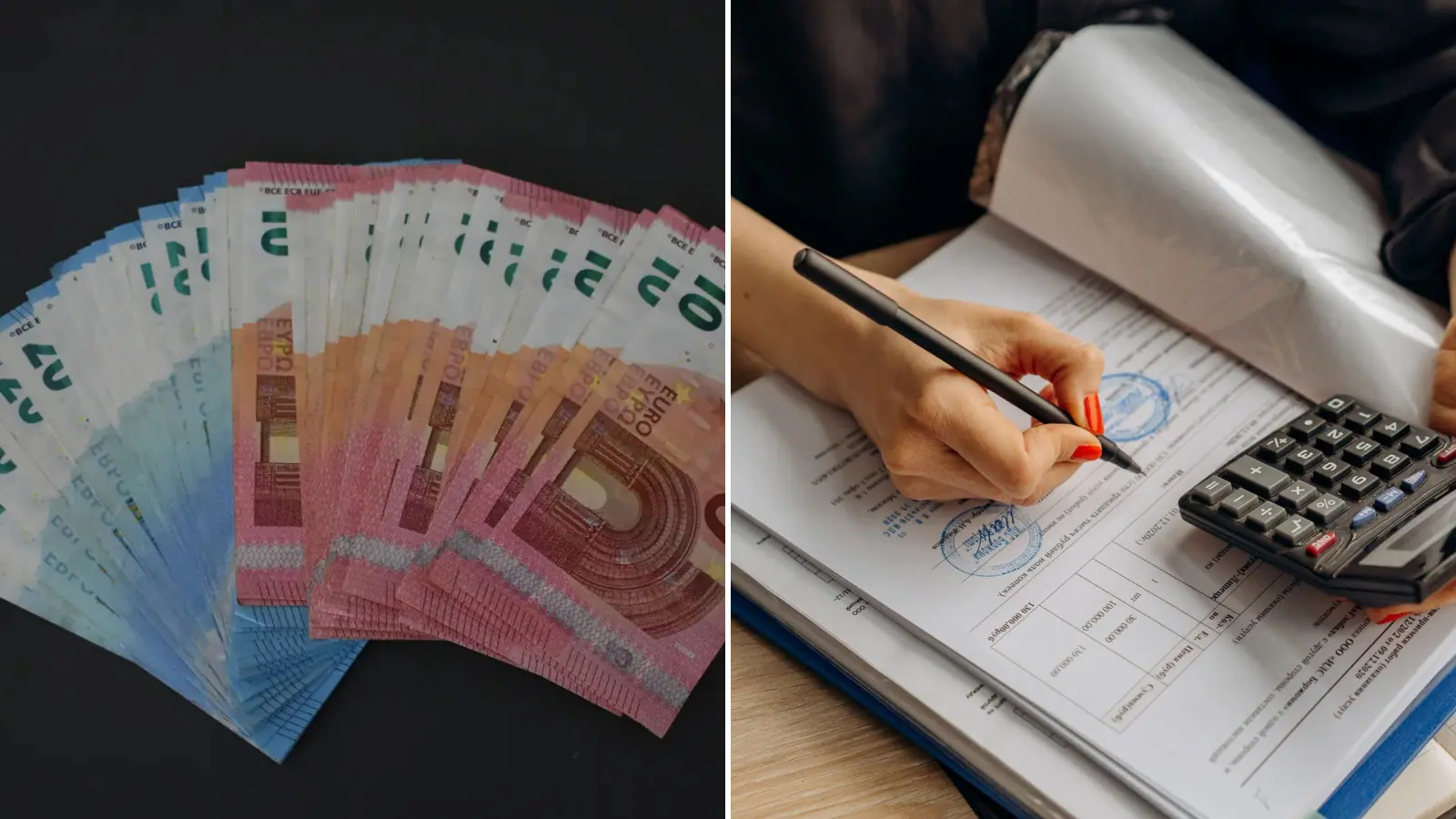
Anyone who works on a public holiday around Christmas and New Year (24, 25 and 26 December and 1 January) is entitled to at least double pay, the General Labour Inspectorate said. Employers must add 100% to basic pay. If the holiday work is also overtime, they must add another 100%. Employers who do not pay what they owe risk penalties of up to €7,500 or more.
Work on 28 December, the extra day off after Christmas, is paid differently. For overtime, the employer must pay at least 75% on top of basic pay, the inspectorate said.
Workers who take leave on 29, 30 and 31 December will get 11 days off in a row.
A sales assistant who works at Christmas said colleagues take turns on the holidays, based on the previous year, so the load is even and everyone is happy. A hypermarket manager said the so-called Christmas bonus depends on hours and effort, so that staff are happy and want to keep working there next year too.
Adrian Nikolov, an economist at the Institute for Market Economics, said people leave offices, factories and other traditional workplaces, while resorts, hotels and restaurants get very busy. The service economy moves much faster, he said.




Comments (0)
No comments yet.