
Bulgaria's Farmers' Union (BFS) wants big retail chains to let farmers and food processors sell on their shelves for six months with no fees, then check whether prices fall. The union made the proposal in a statement to the media. It says the aim is to cut speculation and bypass middlemen.
"We call on them to drop the fees for six months and see whether prices fall," said union chair Georgi Stoyanov. BFS says Bulgarian producers and processors now have to pay the chains to get into their stores.
For the same six months, the union also wants farmers to deliver their goods straight to the chains' warehouses. The proposal covers vegetables, fruit, pickles, canned food, honey, dairy and meat products, wine and other goods.
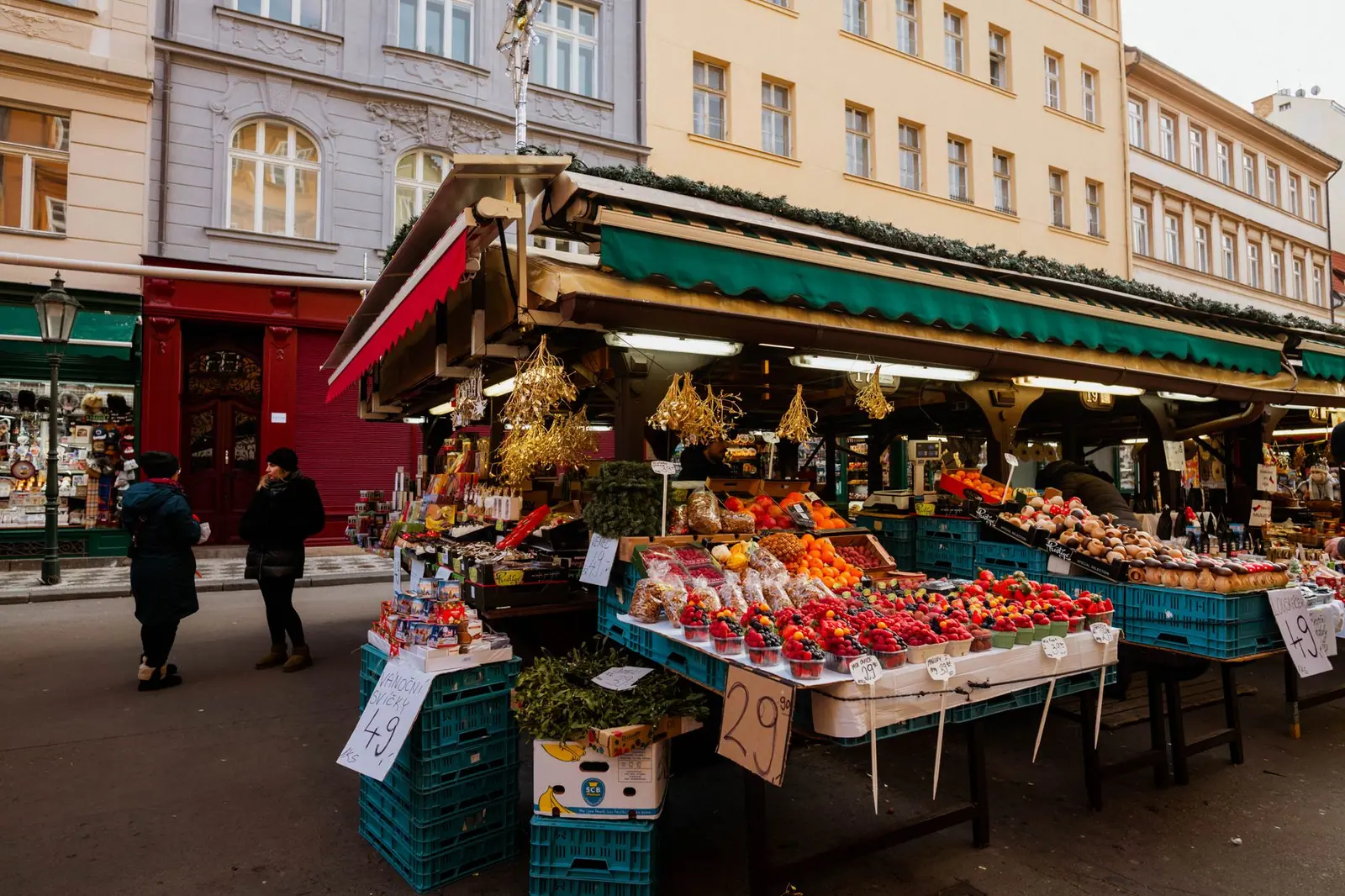
BFS has another request for the markets in Sofia: give farmers free stalls once a week. "Go to any market in Sofia and see how many empty stalls there are," Stoyanov said. He says the empty spaces show that producers sell through middlemen, so shoppers pay a lot while farmers get little. Something is pushing farmers out of the markets, he believes: high rents, red tape or something else.
BFS says output in Bulgaria is falling because farmers have no direct access to the market and imports are strong. Stoyanov said Bulgaria can produce more food than it needs at home, yet it still depends on imports. Farmers' costs are rising, competition is growing and the market is getting harder, he said.
Stoyanov believes the state should focus on how the market works, not on one-off campaigns for lower prices. He says trade needs a complete overhaul, because it does not now give competitive prices. It should start with the home market, he said, with planned volumes, steady quantity and quality, and links between farmers, processors, traders and local markets.
Good raw produce alone is not enough, Stoyanov explained. If farmers take no part in storage, processing, distribution, own-brand goods and direct sales, much of the added value goes elsewhere. So farmers must build working partnerships, he said, to give them a stronger position and a real share of the value of the final product. Stoyanov sees BFS's "Nashето родно" ("Our Homegrown") concept and farmers' events in different cities as a successful step in this direction.
Earlier in the day, the Commission for the Protection of Competition (KZK) also presented draft guidelines on cooperation in farming. They are based on the commission's sector study of the food market, which found structural problems, including scattered production and unequal positions of players in the supply chain.
Only a handful of farmers are online, Stoyanov said. These are small, mostly family farms, and most rely on direct contact with customers, for example at farmers' fairs. Young people should be encouraged with access to land, training and the sharing of good practice, he said. They are needed to carry the sector forward, and their creativity could help Bulgarian farming compete abroad.
The state started checking all the chains' central warehouses today, agriculture and food minister Plamen Abrovski told journalists. The aim is to bring the whole food supply chain in Bulgaria out of the shadows.
Comments (1)
ШЕСТ месеца ли? Ще стане ли нщо наистина?