
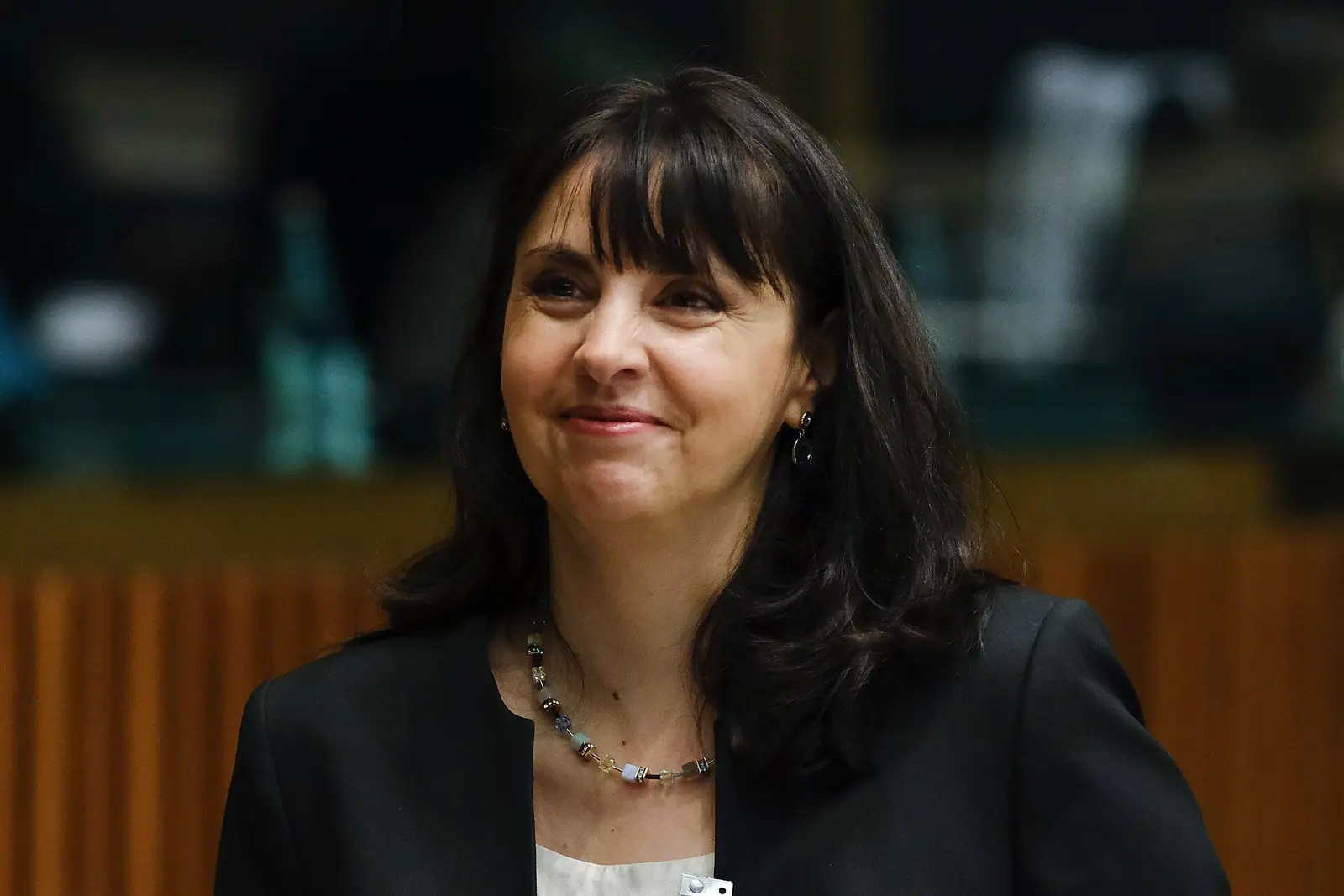
The world loses more than 12 billion working days a year to depression and anxiety caused by poor working conditions, labour minister Natalia Efremova has said.
In the European Union, about 45% of workers say they face psychosocial risks at work. Efremova cited figures from several international bodies as she opened the conference "Preventing psychosocial risks in the workplace".
"The data show that psychosocial risks are not just a personal problem for the person affected and their family," she said. The minister said the costs are economic and social: more accidents at work and more sick leave, lower output, and people leaving the job market earlier.
Efremova said people are the most valuable asset of any economy. "They must be healthy first, and fit to work after that," she added.
The minister said the risks are growing because of digital technology, artificial intelligence, remote work and constant contact with colleagues and employers. They harm people's ability to work and their motivation.
Health care, education, social services and industry are hit hardest, Efremova said. Demands there are high, contact is nonstop and workers are responsible for other people. Without prevention, the strain builds up and leads to chronic stress.
The minister said the issue should be discussed all the time, not only during European Week. She called for steps to be drawn up and put in place to help people feel better at work.
Efremova said the steps will only work if employers and workers trust each other. She said staff must be able to speak freely about what worries them.
The minister also said talks between unions, employers and the government, and joint action by all sides, are needed for safety and health at work.




Comments (0)
No comments yet.