
The cabinet has approved the draft 2027 state budget law. Finance minister Galab Donev says it should steady public finances after the inherited imbalances, while keeping incomes and support for the most vulnerable.
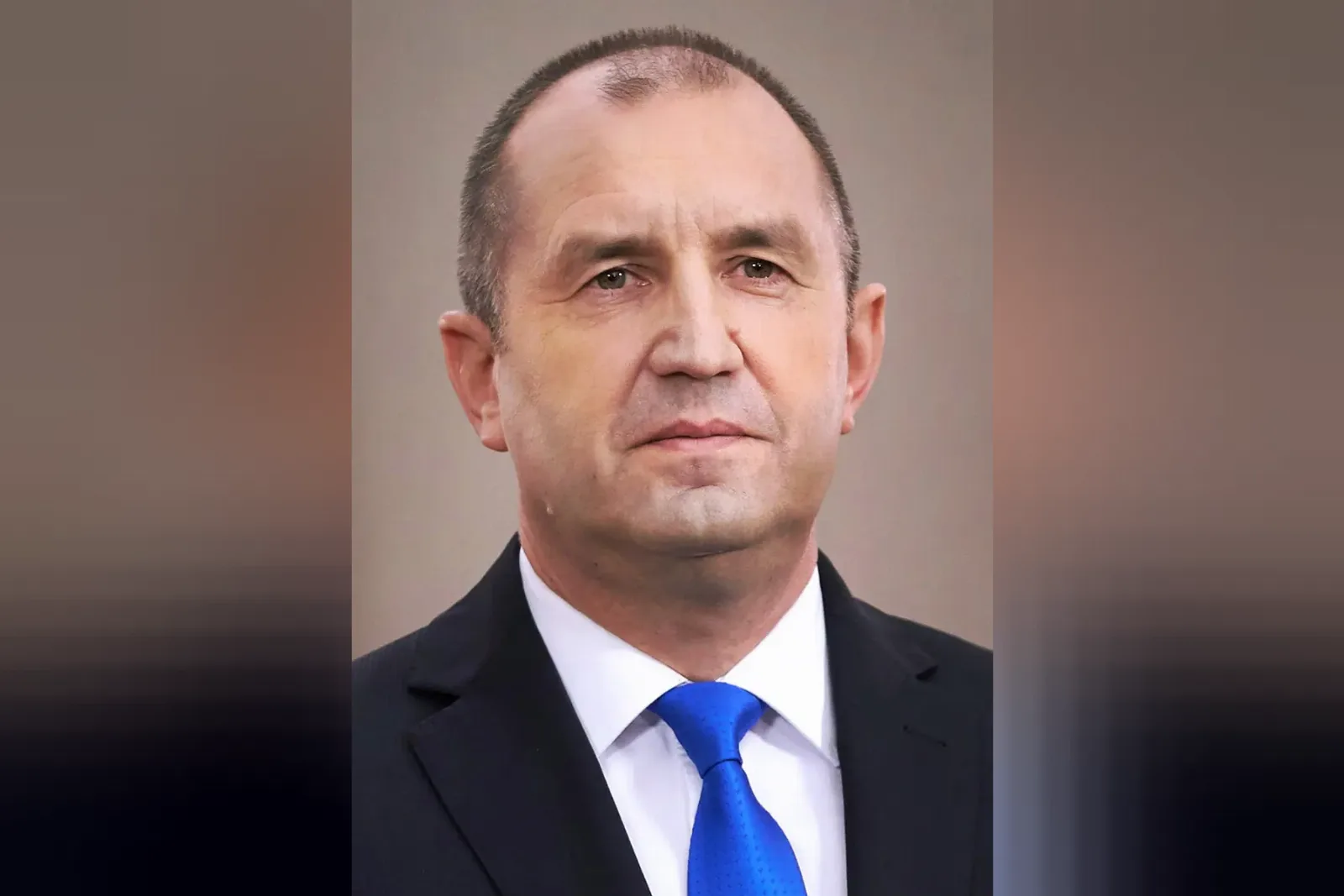
Prime minister Rumen Radev presented the draft on 6 November at the University of National and World Economy (UNWE), to a packed hall.
How it all started: Prime minister Radev presents 2027 budget draft to packed hall at UNWE
Donev thanked everyone who took part in the talks on the budget figures and called the draft responsible. He said it came under political attack even before it was unveiled, with sharp analyses, negative comments, dire warnings and threats of protests. The minister said even the intention to pass the budget before the end of 2026 probably already causes outrage.
Donev said the critics want to turn the budget into a bogeyman that spreads fear and uncertainty, and to push out calm debate in favour of political speculation. He said the public needs voices of reason. You cannot ask for a lower deficit, lower debt, unchanged taxes, more public investment and higher incomes all at once without saying where the money will come from, the minister said. He said that over the past six years budgets were drawn up on a "recipe" with no source of funds named. "You cannot spend money that does not exist for ever," he said.
"It is time for the state's fiscal policy to come to its senses. That is why Budget 2027 is a budget of reason," the finance minister said.
Donev called the forecast cautious. The budget rests on a macroeconomic forecast for 2027 that avoids overly rosy assumptions. It expects real economic growth of 2.5%, average annual inflation of 4% and unemployment of about 3.4%. Inflation is expected to fall to 2.6% by the end of the year. Compensation per employee, which is what an employer pays for one worker, will rise by 6.2%.
Credit rating agency Standard & Poor's has changed its outlook for Bulgaria from positive to stable, and has not cut the credit rating. The agency forecasts growth of 2.8% in 2026 and an average of 2.6% a year in 2027–2029. Donev sees a link between the change and the reported fiscal figures. They include the revision of the 2025 deficit from 3% to 4% of GDP and the findings in reports by the National Audit Office.


Comments (0)
No comments yet.