
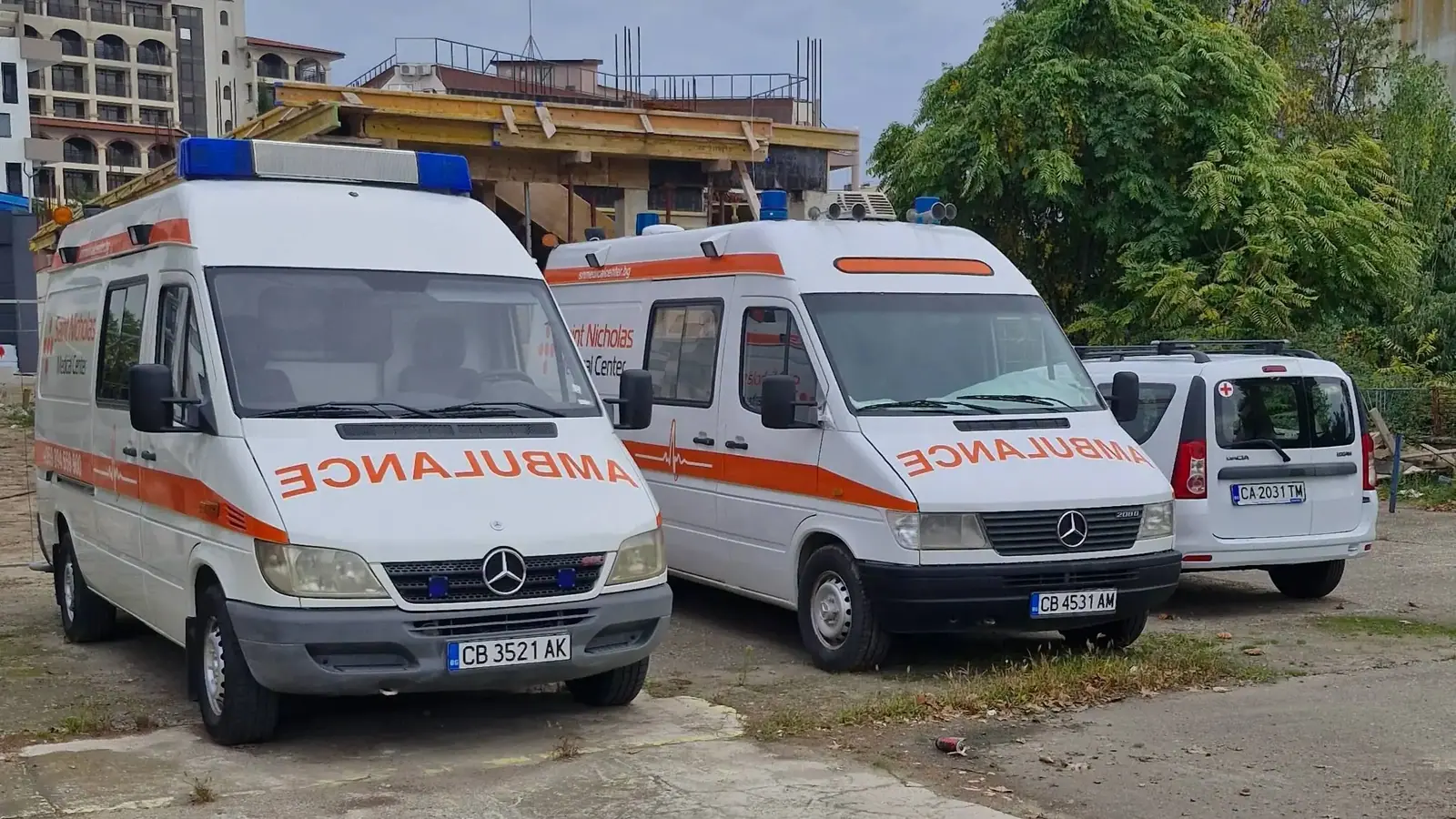
Children under 14 make up a growing share of all hospital admissions in Bulgaria — 22% in the 2022-2023 flu season, rising to 36.5% in 2025-2026, according to Dr. Kremena Parmakova, head of infectious disease surveillance at the health ministry. Cases peak in February and March, she said.
Dr. Parmakova was speaking to reporters at a seminar in Sofia on preventing and vaccinating against seasonal flu, respiratory syncytial virus (RSV), COVID-19, pneumococcus and chickenpox. The Bulgarian Association for Innovative Medicine ran the training, working with the health ministry.
Children aged four to eight catch respiratory infections far more often than adults, Dr. Parmakova said. Kindergarten children are the main spreaders of flu, she said. Vaccinating healthy children lowers the risk of confirmed flu, doctor visits, hospital stays and flu deaths, she added.
Bulgaria's national flu vaccination program for children reaches up to 17% of children under 7 each year and also supplies flu vaccines for 10,000 children with chronic illnesses. In total, 55,000 children can get vaccinated for free under the program. Only a handful of EU countries, including Spain and Finland, vaccinate more than 30% of children.
Bulgaria has no RSV vaccine for children, but does have one for pregnant women, Dr. Parmakova said. A mother's antibodies cross the placenta to the baby, giving newborns passive immunity — vaccinating during pregnancy is a well-established approach. Since early July, this vaccine has been free for pregnant women between weeks 24 and 36. By August 27, 260 such vaccinations had been recorded in the National Health Information System.
Professor Neli Korsun of the National Influenza and ARI Laboratory at the National Center of Infectious and Parasitic Diseases presented an analysis of acute respiratory illness. Flu and acute respiratory illness cases rise toward the end of October, then drop sharply in December over the holidays, she said. Children aged 5 to 14 are hit hardest by flu, while adults aged 30 to 64 are affected the least. Seasonal flu is usually mild but can lead to complications, she said. Three monoclonal antibodies against RSV are already in use, including for children whose mothers were not vaccinated. One is given five times a season; the other two are single doses for healthy children up to 8 months old during their first RSV season.
Flu is not a mild illness, said Professor Ani Kevorkyan of the Medical University of Plovdiv. It can cause neurological, cardiovascular, respiratory and musculoskeletal complications, and during pregnancy raises the risk of premature birth, smaller fetal size and low birth weight. Respiratory complications are more common in children, who not only fall ill more often but also develop conditions that need hospital treatment. Children spread the virus twice as long as adults and can stay contagious for more than 10 days, Professor Kevorkyan said.
Around 22,000 children under 7 are hospitalized with pneumonia in Bulgaria each year. Worldwide, up to 40% of preschool and school-age children are given antibiotics for flu complications.





Comments (1)
36,5%... наистина ли толкова много деца са в болници? Дано не е нещо сериозно. 🤔