
Bulgarian on team that built anti-fake-drug device in 24 hours
Софи Терзиева
Software engineer Viktor Minchev is one of four students whose device, PEEL, won first place at a global student tech competition.
A Bulgarian software engineer has helped build a portable mini-lab that can spot fake and substandard pills, winning first place at a major world student technology contest. The Bulgarian is Victor Minchev, and his team also includes another software engineer, a chemist and a fourth member.
The four built the prototype in 24 hours. The device is called PEEL. It's about the size and shape of an orange and combines hardware and software.
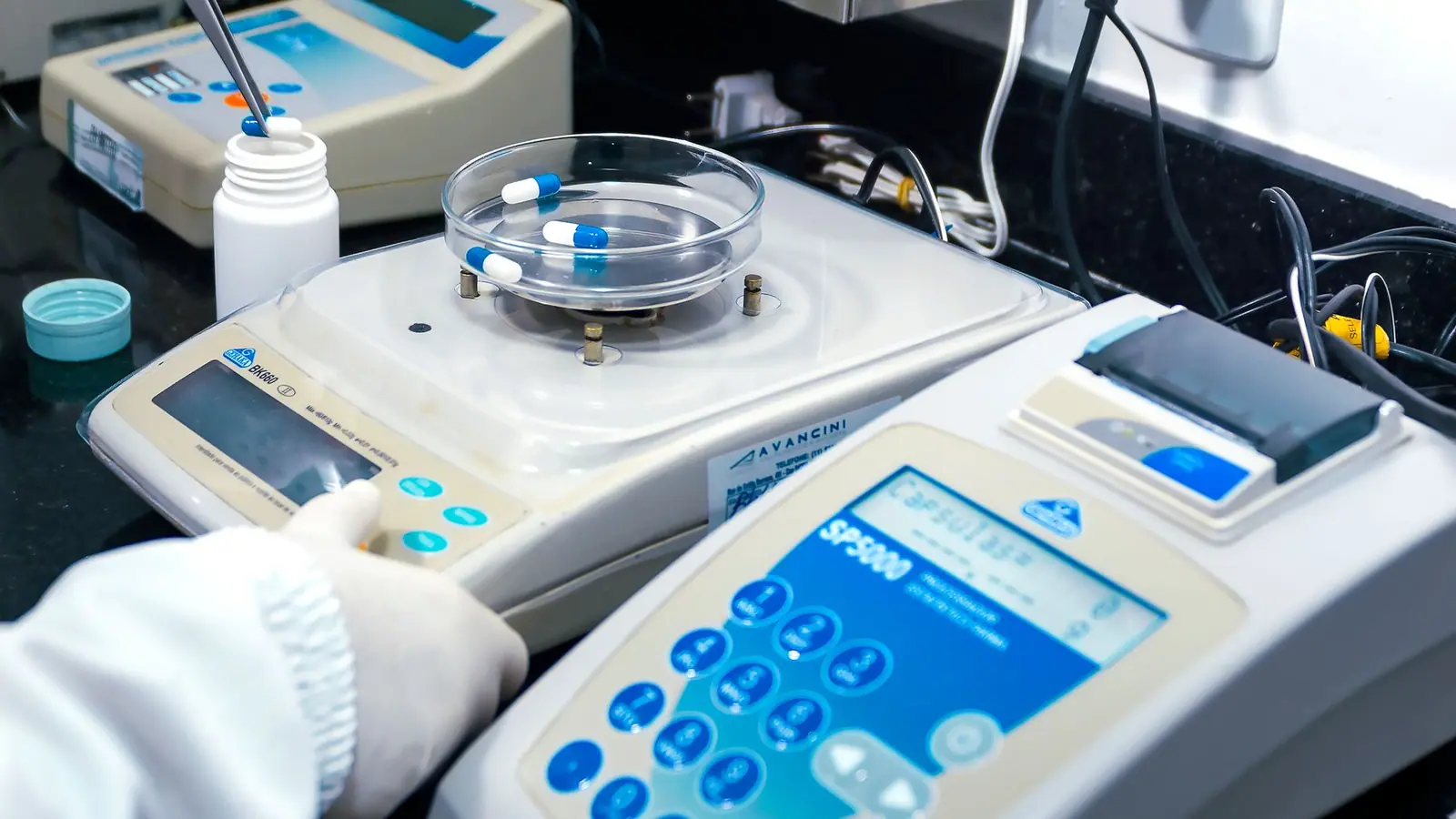
It works by taking a photo of the pill and its packaging. From the label, look, color and markings, the device works out where the drug came from. The pill then goes inside the device, dissolves in water, and the solution gets analyzed.
LEDs shine light on the pill, and each substance absorbs the light in its own way, chemist Nikhil Ramlukan, a member of the team, explained. This builds an optical profile of the drug, which an AI model then checks against reference profiles.
"Different substances interact with light differently. We can actually build a different optical profile for every drug," Victor Minchev told BNT.
The device plugs into a phone with a cable, and the result shows up on the screen. If the drug is fake, the system warns the user or tells them to check with a pharmacist, Ramlukan said.
The team wants this kind of testing, which until now has needed expensive lab equipment, to reach anywhere and be usable by people with no scientific training. Similar equipment in the US costs up to $10,000, while their prototype comes in under $30.
The World Health Organization says at least one in 10 medicines in low- and middle-income countries is substandard or fake. Fake and substandard malaria drugs alone kill more than 100,000 people a year.
Софи Терзиева
Author of this article
журналистка, специализирана в сферата на технологиите, иновациите и научните открития. Има публикации в престижни издания.
Обича да обяснява сложни теми на разбираем език. Следи отблизо развитието на изкуствения интелект и научните конференции.

Comments (0)
Все още няма коментари.