
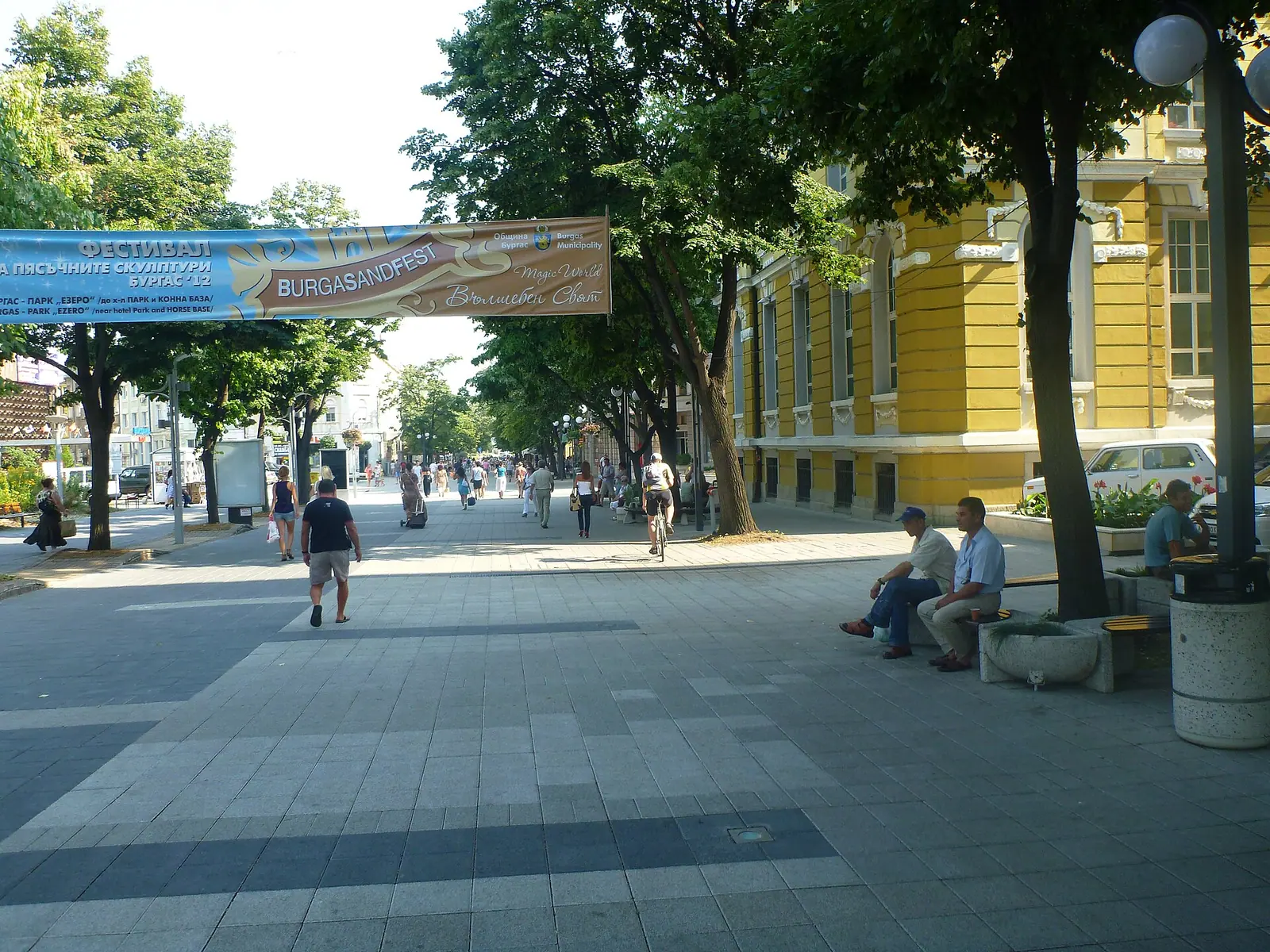
Today marks 37 years since 10 November 1989. A BNR Burgas survey shows that people in the city see the changes differently.
Most of those asked say the biggest plus is political freedom since the fall of the totalitarian regime. Others think people have become less caring and more divided since then.
On 10 November 1989, the Bulgarian Communist Party removed Todor Zhivkov from its leadership. Bulgaria's democratic changes are dated from that day.
Political analysts see the event both as the start of the road to political pluralism and as a controlled coup inside the party.
People in Burgas name freedom of movement, the right to work, study and travel, access to information and Bulgaria's European integration as gains.
Others speak of hardship and a long period of adjustment. Their answers show pessimism about the present and nostalgia for the past.
One person told BNR: "I remember 10 November 1989, but, sadly, what came after is rather sad. We became much worse off, and most of the young people are abroad." He said life, peace of mind and security could have been better, but at least there is now a choice.
Another Burgas resident thinks Bulgaria freed itself from the communist regime then. "The positives outweigh the negatives many times over, I can't even think of any negatives," he told BNR. He counts freedom to travel, work and study, and access to information, among them. He said there used to be a dictatorship, and now people choose who governs them, so things are better today.
A third person sees both good and bad in the changes. He said it is good that we look to Europe and that there is everything, but what is missing most is humanity, and the transition there will be harder.
Those surveyed in Burgas say the main lesson of the years since 1989 is to always strive for change for the better.

Comments (0)
No comments yet.