
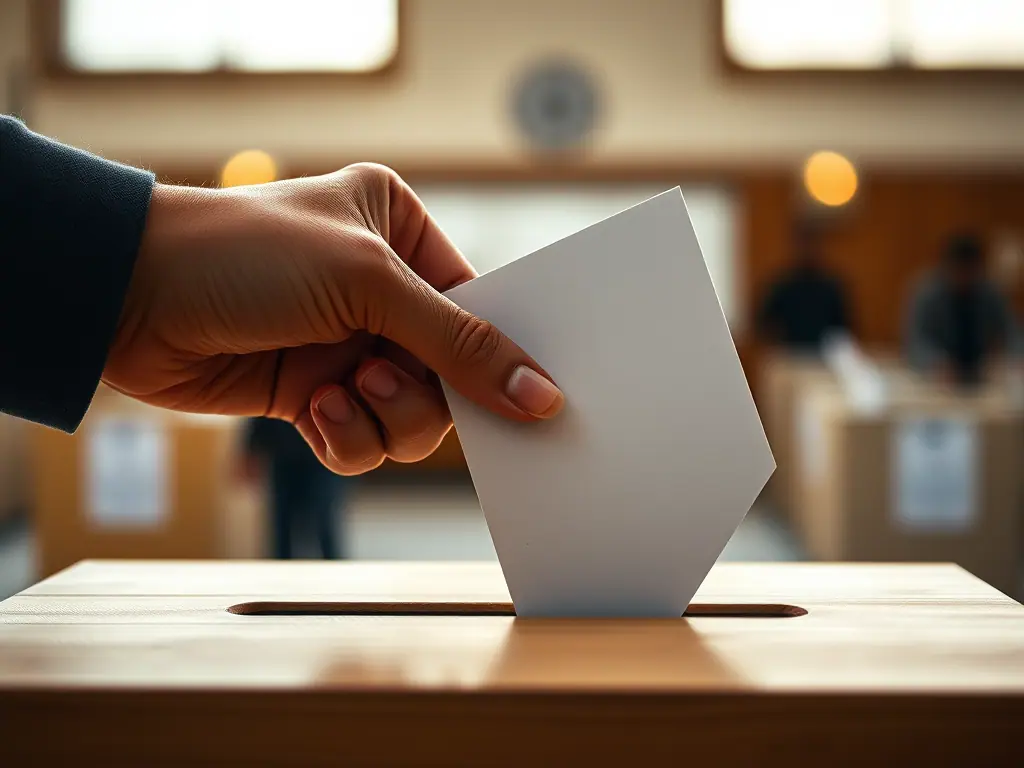
Iliana Yotova and Kiril Valchev lead with 44.5% among voters who are certain to cast a ballot in the October 25 presidential election, according to an Alpha Research survey presented by sociologist Boryana Dimitrova.
Andrey Gyurov and Georgi Kandev come second with 26.1%. Kostadin Kostadinov and Volgin rank third, close to the score Vazrazhdane got in April's parliamentary election, while the other candidates each poll between 1% and 3%.
Yotova and Valchev, like Gyurov and Kandev, were nominated by initiative committees backed by parties. Kostadinov and Volgin are running as Vazrazhdane's direct party candidates.
If the vote were held today, 37-38% of people on the Central Election Commission's voter rolls would turn out, or about 2.4-2.6 million people. Dimitrova says this points to a certain run-off, most likely between the top two pairs.
Dimitrova said interest at the start of the campaign is lower than before the snap parliamentary election on April 19. Pollsters say a big surge in turnout over the remaining three weeks is unlikely, but the campaign could still change people's minds.
Among those who don't plan to vote, 40% blame disappointment with politicians, and 24% say no candidate speaks for them. The second group includes GERB and MRF supporters and some right-leaning voters, Alpha Research says. Non-voters are mostly people who have long stayed away from the polls, plus some who voted in April but won't this time.
Dimitrova said the result for Gyurov and Kandev shows a solid core of support that could grow into wider backing beyond the traditional right-wing and liberal electorate. For Kostadinov and Volgin, the goal is to turn out the party's own voters and strengthen Vazrazhdane's standing.
Alpha Research says it's practically out of the question for any candidate ranked fourth or below to break into the top two. The ranking among the leading pairs could still shift before the campaign ends. Where results sit in the 1-3% range, the order could change too, since some voters make up their minds during the campaign or on election day itself.
The survey was carried out nationwide between September 24 and October 1, 2026, among 1,000 adults. It used a two-stage sample with quotas for key social and demographic groups, and pollsters ran standardized face-to-face interviews with tablets at respondents' homes.
Comments (0)
Все още няма коментари.