
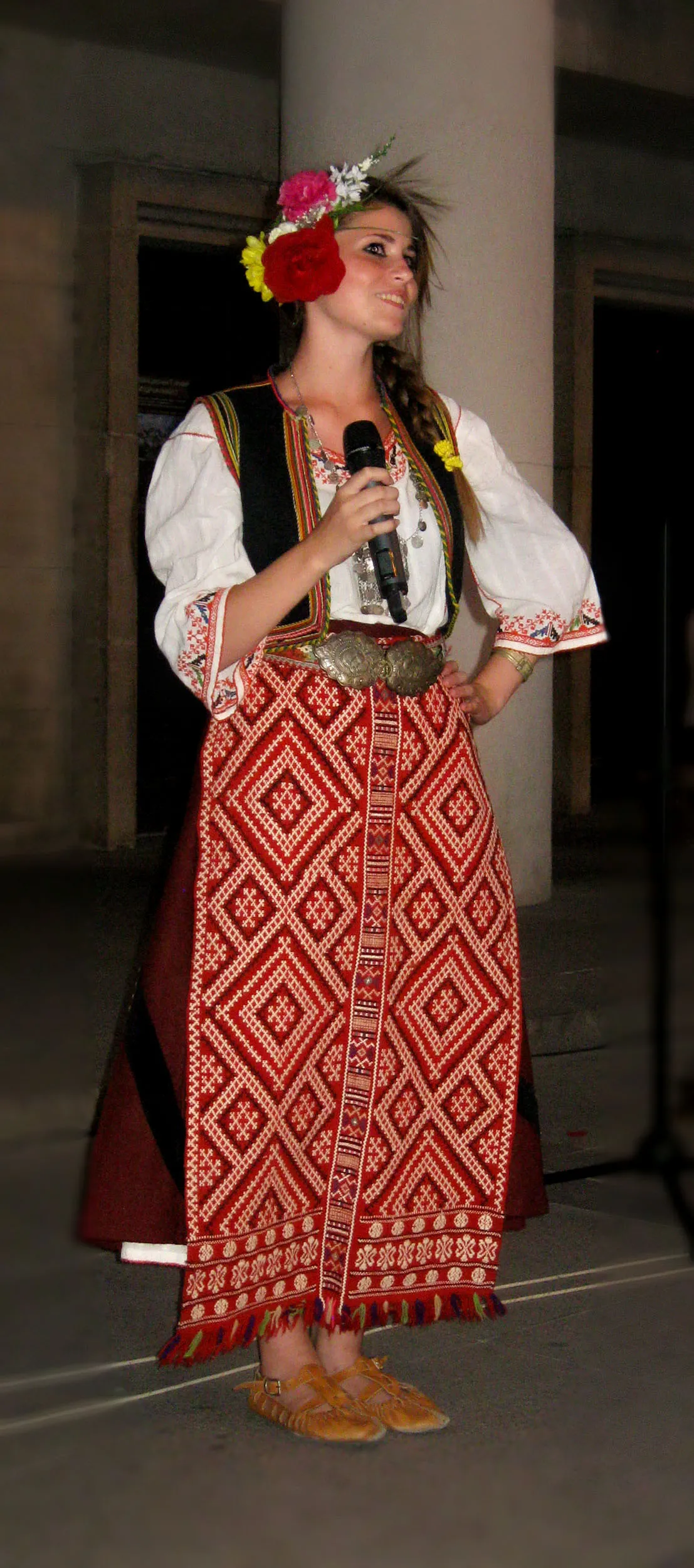
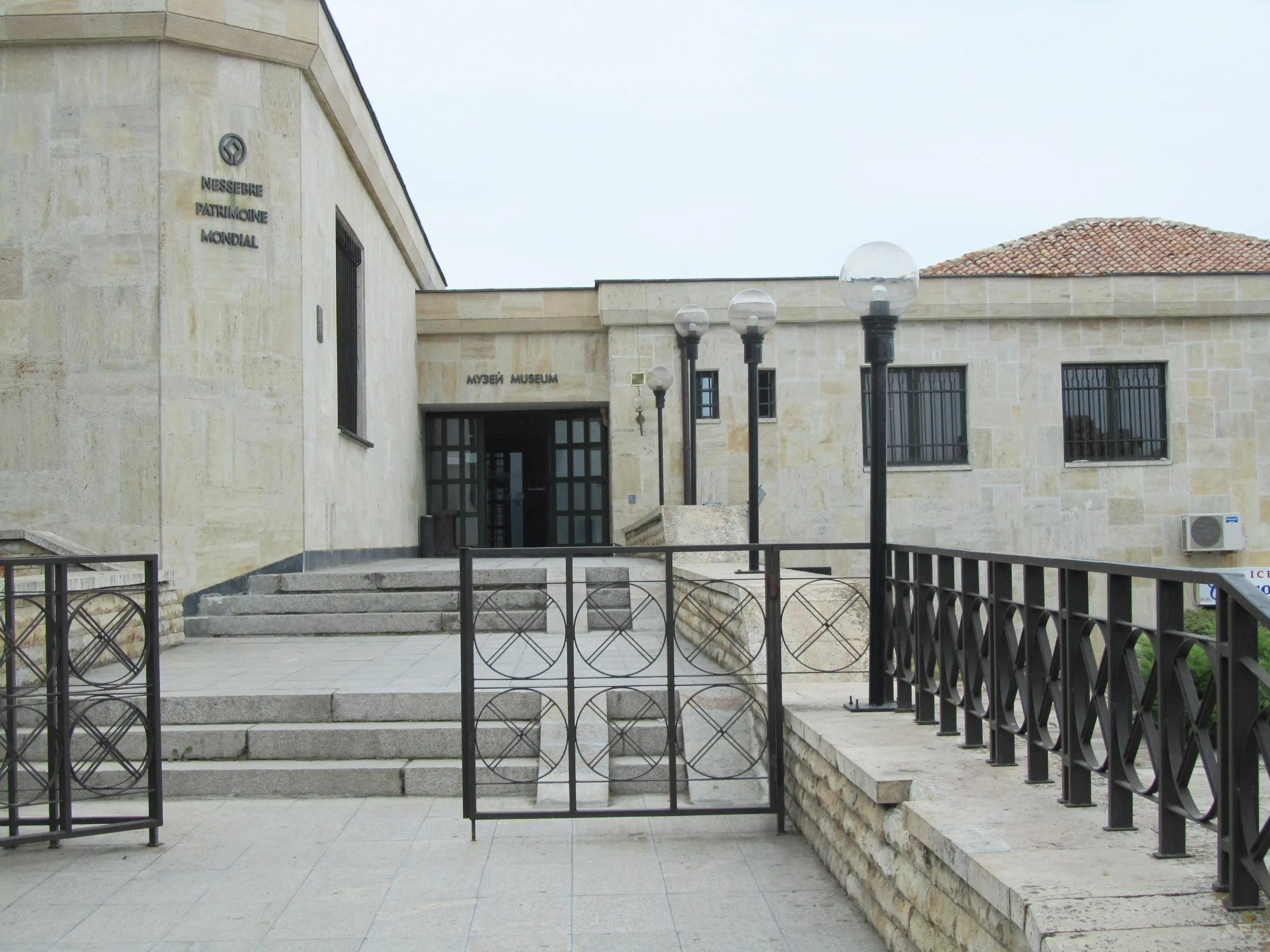
On January 31, 2026 (Saturday) at 11:00 AM, the courtyard of the Ethnographic Museum at 69 Slavjanska Street will be filled with young people, music, and living traditions. Our friends from the Amateur Authentic Folklore Group “Erkechko Heritage” will present for the first time in Burgas the custom of “Silivria” – one of the most colorful Erkech winter rituals. The formation is newly established and is composed mainly of young people with roots from the Pomorie village of Kozichino (better known by its old name Erkech). Their mission is to preserve and promote the Erkech traditions, songs, horos, and customs passed down through generations.
Silivria, also known as Rinachovden, is a ritual preserved until the second half of the twentieth century and dedicated to working livestock – oxen. The holiday is a continuation of the Christmas customs in Erkech.
On the evening of January 2 (January 15 in the old style), the koledari gather at the stanik's house, sing, and led by a bagpiper, set off with a horo around the village. Divided into groups – kudi, they clean the loaves of the oxen, and while some “rinat” (clean), others play the “Paydushka”. The young man who courts a maiden strives to join the group that cleans her livestock.
The next day, the housewives whose livestock have been cleaned bring Erkech zelnik to the stanik's house. The koledari gather, eat, and, with a horo led by the stanik with a krávay (bread ring) in hand, head to the Horishte, where the horos of the two neighborhoods meet. To the sounds of the bagpipe, the “Konska” is played – a ritual horo in which the two rows, leaning against each other, strive to “break” the horo of the opponent. They meet three times, and on the third, one of the rows is expected to break. After that, the horos mix, and the maidens join, as the horovod continues until late.
And while the young men “clean the stables” and dance horos, the maidens will make a culinary demonstration in the museum's ethno-kitchen, where they will reveal to visitors the secret of the Erkech zelnik.


Коментари (15)
Ааа, Силиврия... Добре е, че поддържат традициите. Зелникът обаче наистина трябва да е як, че да си заслужава чакането до
Еее, Силиврия в Бургас?! Защо чак 2026 година?! Ама хайде де, важното е да си пазим обичаите! Зелник ще има ли як? Дано да се събере
2026 ли? Наистина ли чакаме толкова дълго за един зелник? 😅
Абе 2026 ли? 😳 Дано до тогава зелникът поне да е вкусeн, че иначе чак да си взема внучета дото
Ох, хора, вижте какво! 😅 Честно казано, първоначално ми просмя коментара за 2026-та - наистина е доста далеч. Но като се замисля... добре е! Важното е да се поддържат тези традиции живи, нали? Силиврия е уникален обичай и фактът, че група "Еркечко наследство" ще го представи в Бургас, е страхотно. 🤙