
A two-day festival of languages and cultures opens in Burgas on 20 November, and entry is free on both days, the organisers said. More than 60 teachers, students and PhD students from Sofia University "St. Kliment Ohridski" are coming to the city. Visitors can join workshops, studios and games.
All departments of the university's Faculty of Classical and Modern Philologies take part in the event. It is organised together with the university's Burgas branch, Burgas Municipality and Central Park Burgas. Students of music media technology and sound engineering at Alma Mater in Burgas run the sound and stage effects. Several embassies will also have stands.
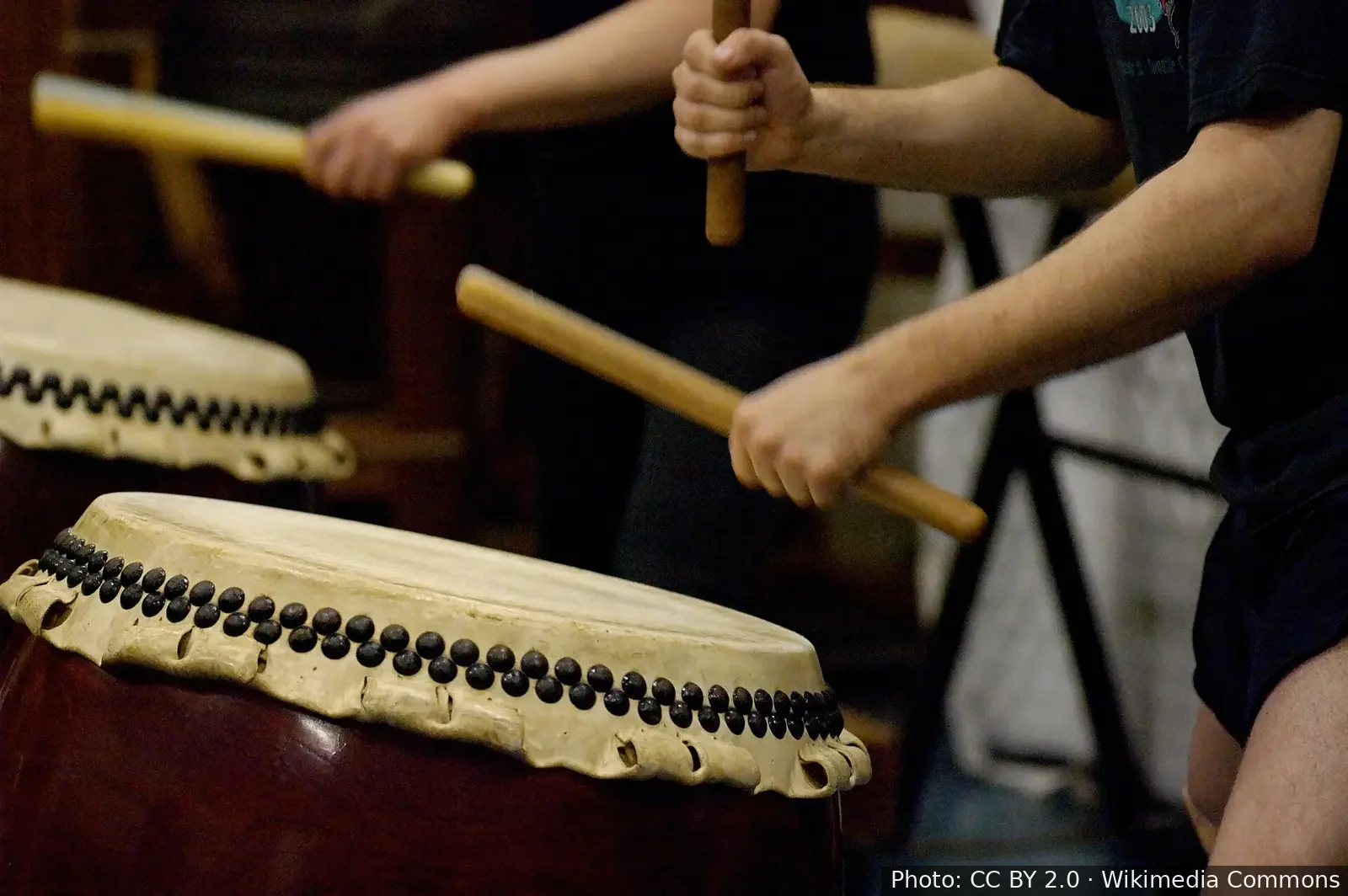
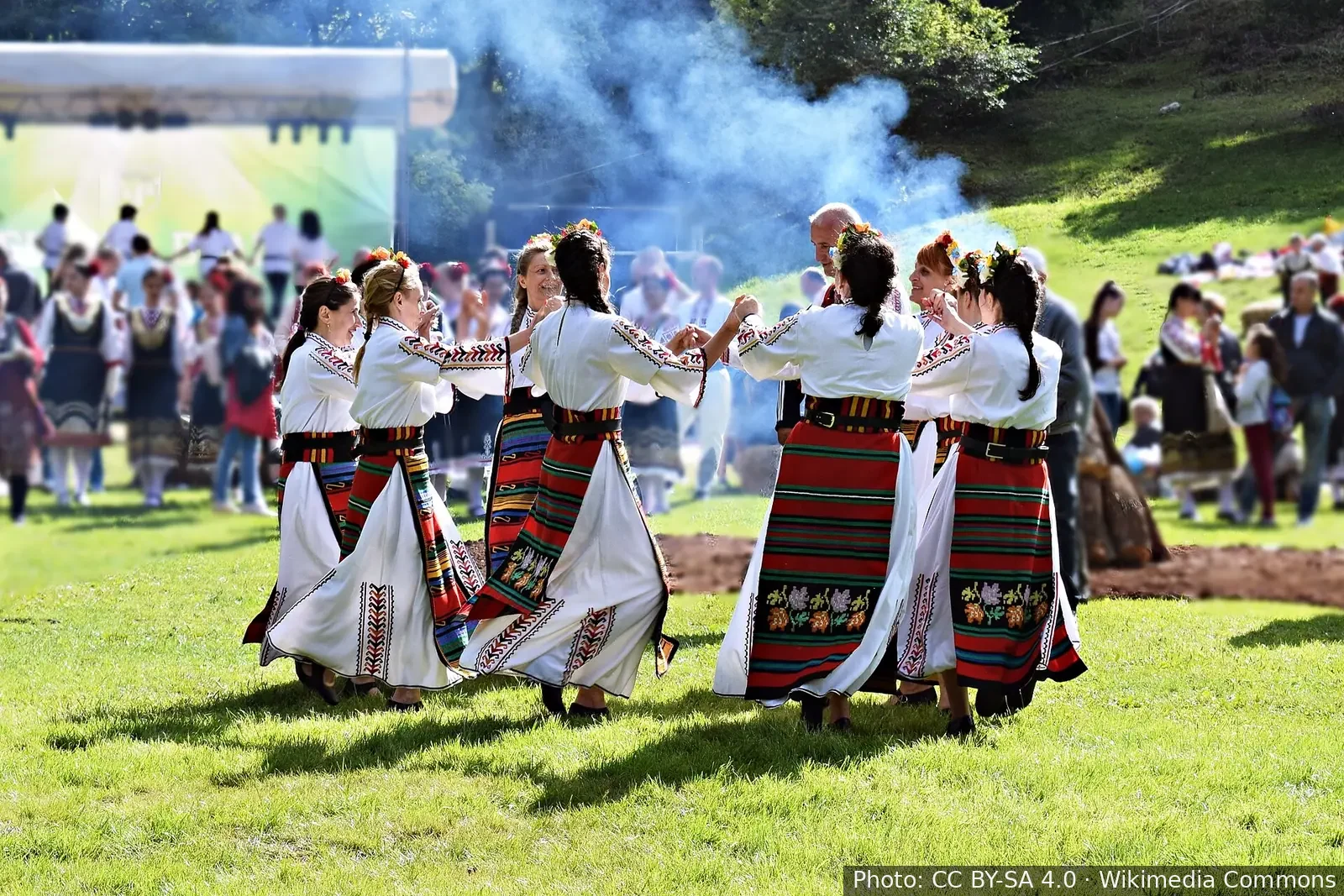
The cultures come from Europe, Asia and Africa. The countries include Japan, China, Korea, Vietnam, Indonesia, India, Iran, Armenia, Greece, Romania, Hungary, Italy, France and Portugal. Visitors can paint on water, try unfamiliar scripts and traditional clothing, hear poetry in the original language and listen to music from little-known instruments. The programme includes a Venetian mask studio, a session on the Indonesian angklung, Japanese taiko drums and Swahili proverbs. There will also be fashion parades, literary readings and meetings, language games and studios. Exhibitions will show traditional clothing, musical instruments and calligraphy. Open lectures range from the history of writing to artificial intelligence in German science fiction.
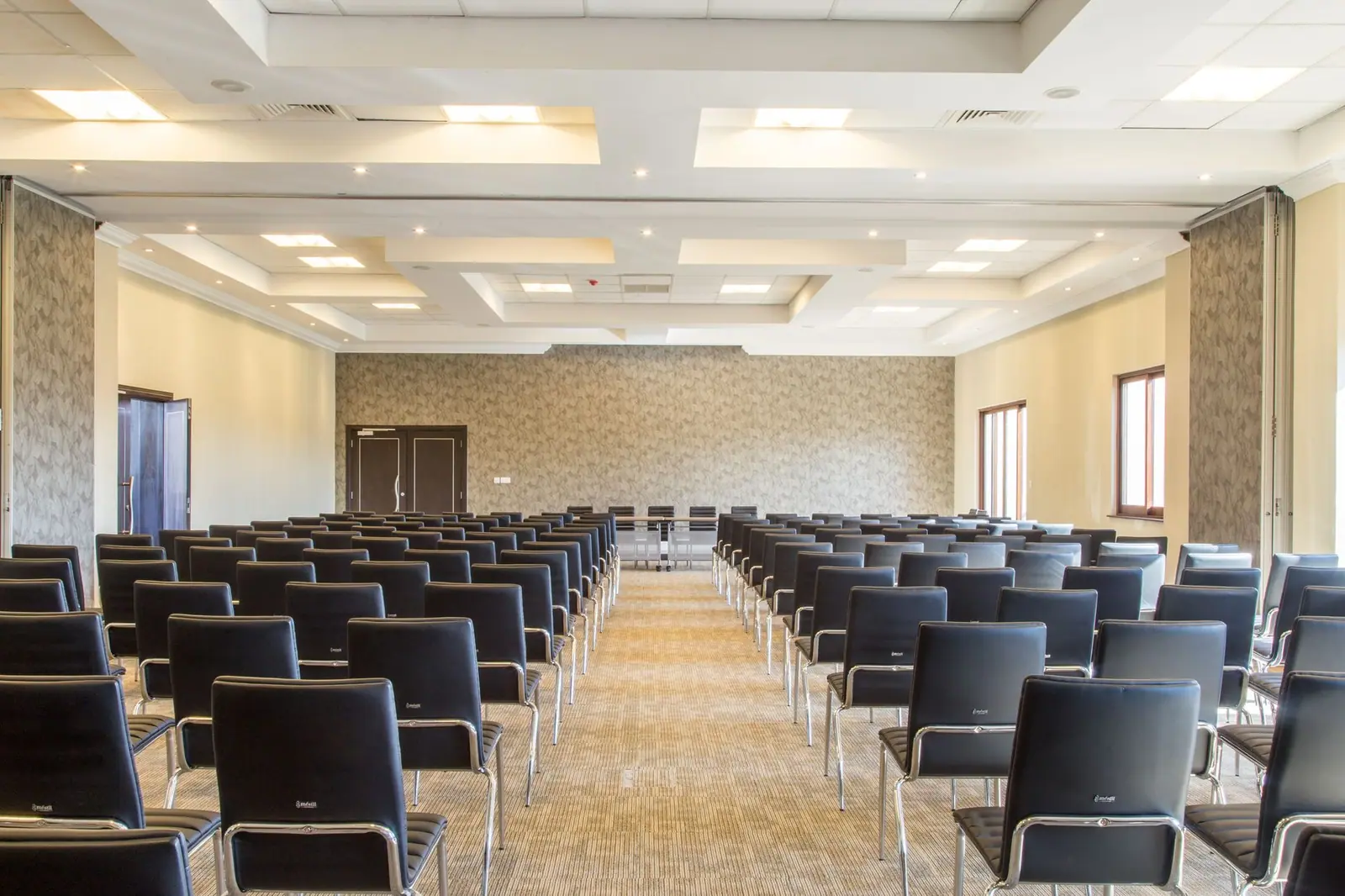
On Friday, 20 November, the daytime programme is only for organised groups of pupils in grades 11 and 12. It includes hands-on activities and meetings with teachers and students, and adds to foreign language lessons at school. The official opening is at 6.30pm, followed by a stage programme. The events take place at the Central Park complex – Tria Co-working Space, 2nd floor.
On Saturday, 21 November, the programme runs from 10am until the evening at the same venue. It is open to visitors of all ages.
Sofia University already offers bachelor's programmes in Burgas in Japanese, Chinese and Korean. The organisers say the festival builds on the growth of foreign-language higher education in the city. It also shows anyone interested part of what is taught in university lecture halls.
Comments (0)
No comments yet.