Science and discoveries
Fascinating facts, innovations, and the latest discoveries in simple language.
Microplastic in the human brain: new research finds particles in almost all living tissues
New research shows that microplastic is present in almost every sample of living brain tissue studied in humans, including healthy donors. The results reinforce concerns about a potential link between plastic pollution and neurodegenerative diseases, but scientists remain cautious about causal conclusions.
Mice recognize odors in 50 milliseconds: a new discovery overturns the science of smell
A new study by NYU Langone Health shows that mice distinguish odors within the first 50 milliseconds after inhaling and that complex processing of olfactory signals occurs directly in the olfactory bulb, not in the cerebral cortex, as previously thought.
MIT reveals molecules through which gut neurons "sniff out" bacteria
MIT scientists identify which molecules help gut neurons distinguish between beneficial and dangerous bacteria, revealing a mechanism for the influence of the microbiome on the brain and behavior.
Nobel laureate in physics: humanity has a "35-year half-life period"
Physicist David Gross, a 2004 Nobel laureate, warns that humanity's chances of surviving another 50 years are very small and that due to the growing risk of nuclear war, we face a 35-year "half-life period".
Printed artificial neurons managed to activate living brain cells
Engineers from Northwestern University in the USA have created flexible, printed artificial neurons whose electrical impulses are realistic enough to trigger living brain cells - an important step for future neuroprostheses and extremely energy-efficient AI hardware.
Low oxygen triggers hidden limb regeneration programs in mice
A new study in "Science" shows that it's not genes, but how cells sense oxygen, that determines whether regeneration or scarring will occur after amputation - and that changing this oxygen "switch" could activate latent regenerative mechanisms in mice.
Genes may influence weight loss with GLP‑1 drugs, new study shows
A large study in "Nature" links variants in the GLP1R and GIPR genes to how many kilograms patients lose on semaglutide and tirzepatide and how often they experience nausea. The effect is moderate and does not change routine treatment for now, but it is a step towards more personalized obesity therapy.
The "SCORPIO" Model: How a Simple Blood Test Helps Predict the Success of Immunotherapy
The "SCORPIO" model, based solely on routine blood tests and basic clinical data, predicts survival and response to ICI immunotherapy with an accuracy of around 72–76% in various cohorts – better than FDA-approved tests such as TMB and PD-L1.
Tax Incentives for R&D: A Step Forward or the Start of a Race?
Bulgaria introduces tax breaks for R&D. Companies will be able to recognize up to 25% of their expenses for tax purposes. Increased investments and new jobs are expected.
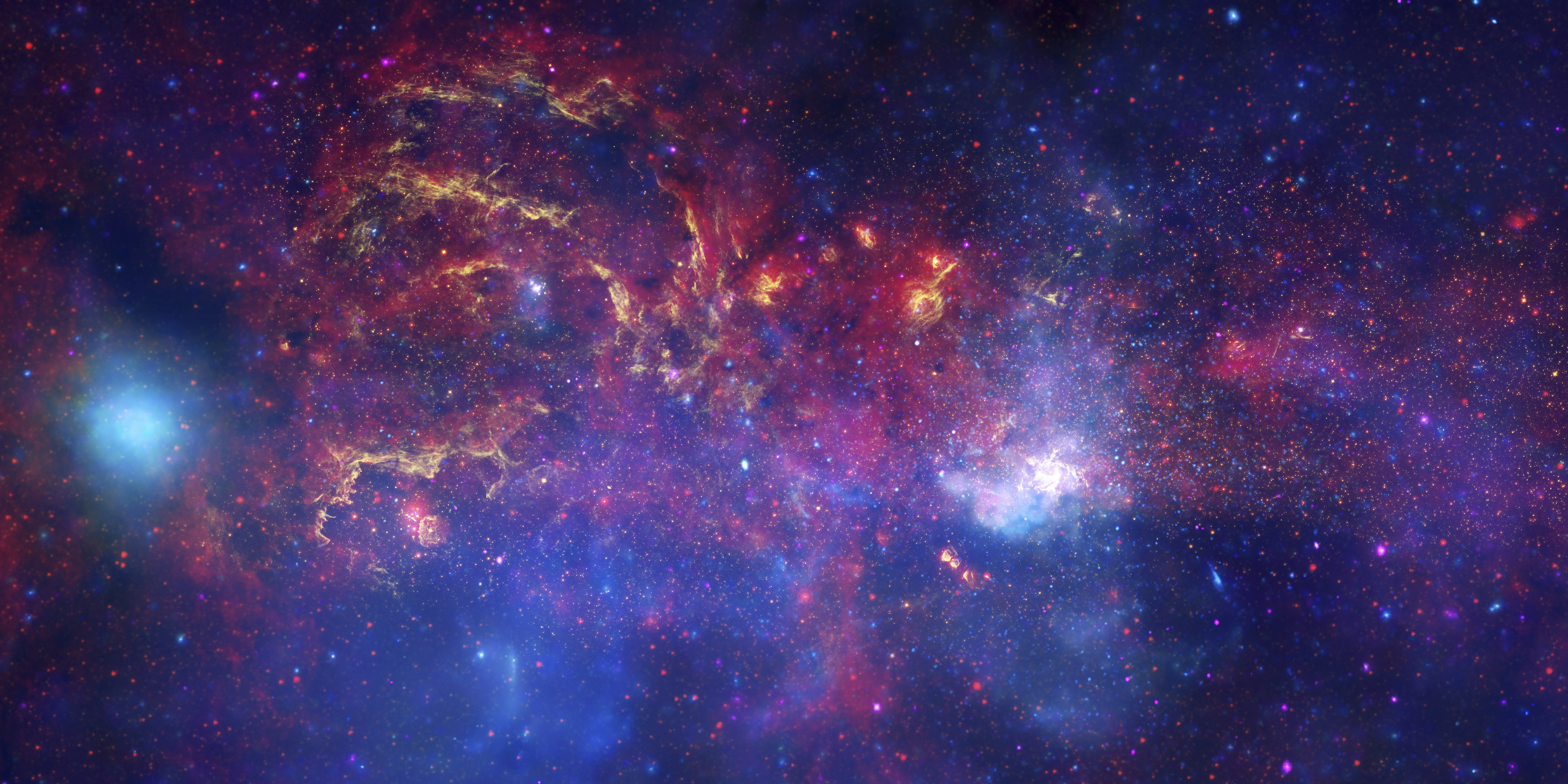
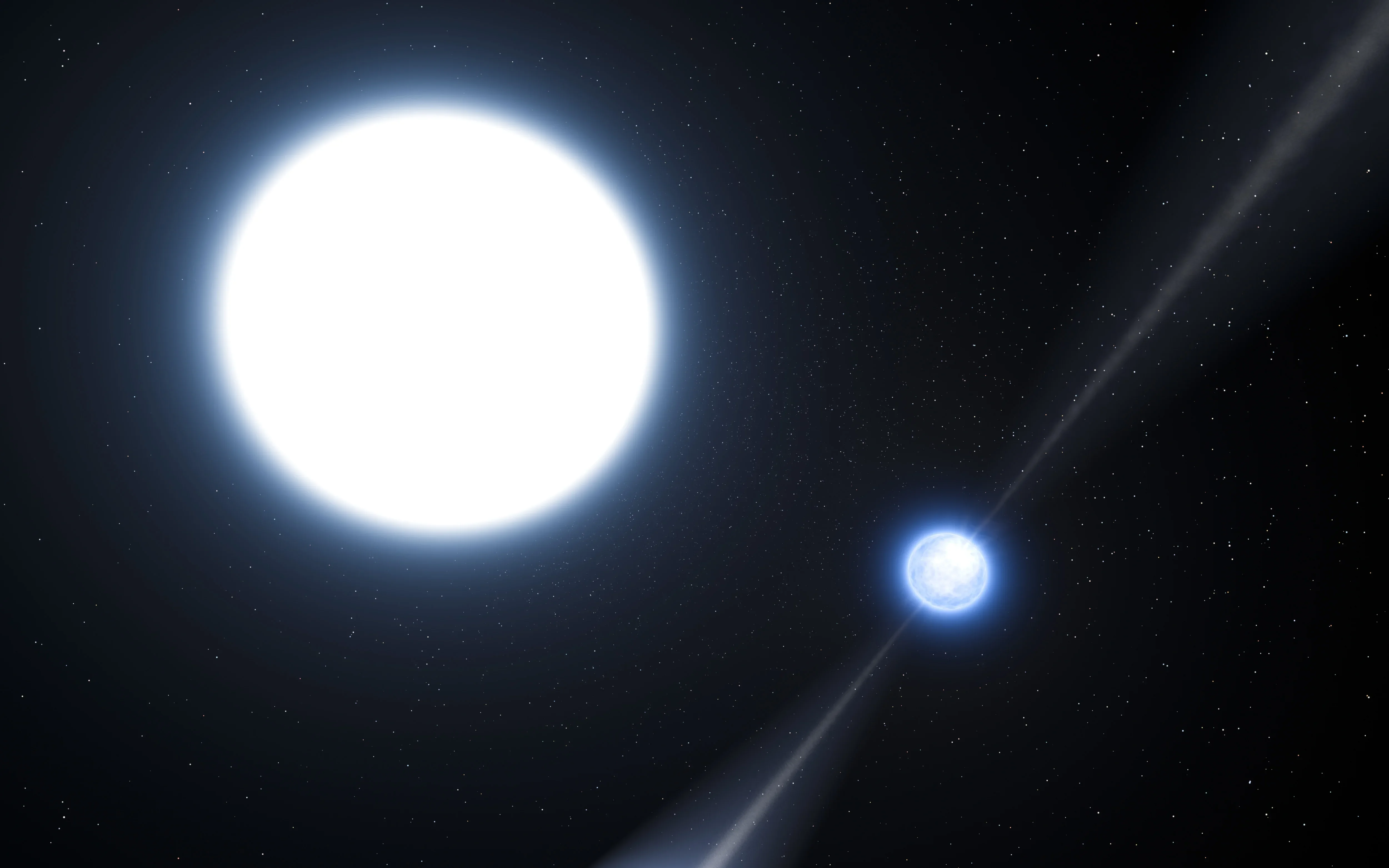
The Phantom Galaxy: Indirect Light on Dark Matter?
An invisible galaxy has been discovered! A new finding provides clues about dark matter. Learn how astronomers are studying faint light to unravel the mysteries of the universe.
"Trends 2026: "Boxed" bioproducts and magnetic transistors after the silicon era"
Cell-free biomanufacturing, new materials, and magnetic transistors promise cheaper therapies, "boxed" diagnostics, and more efficient electronics after silicon.
Experimental drug reduces the risk of death in lung cancer by half
The drug gotistobart reduces mortality by 54% in patients with advanced lung cancer compared to chemotherapy, according to new data presented at a conference in Chicago.
Black mushroom from Chernobyl grows with radiation and can protect astronauts
The fungus Cladosporium sphaerospermum survives in the Chernobyl reactor, grows faster under radiation and could become a living shield for space missions, experiments on Earth and in orbit show.
he Mystery of the Brain: Five Epochs of Productivity and Decline—When Do We Unlock Our Genius and When Does Burnout Loom?
A major study from Cambridge University has identified five structural ages of the brain—key periods in life marked by different cognitive potentials, vulnerabilities, and modes of development
NIC 421 Sets Sail for Antarctica: Fourth Expedition
The research vessel "St. St. Cyril and Methodius" (NIC 421) begins its fourth expedition to Antarctica from Varna. The crew will reach the Bulgarian base on Livingston Island at the end of December.